
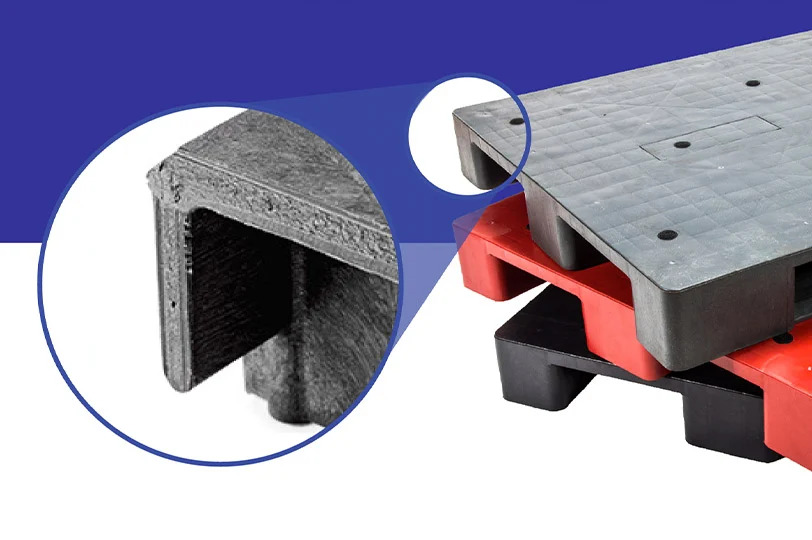
The quest for sustainability has taken center stage across industries in today’s evolving world. As we seek eco-friendly alternatives to traditional manufacturing processes, Foam Injection Molding emerges as a game-changer.
Foam injection molding, often simply called “FIM,” is a versatile manufacturing process. It involves injecting a foaming agent into a polymer melt, producing a lightweight foam with a cellular structure.
This innovative method finds applications in industries like automotive, packaging, and construction, where lightweight, durable materials are crucial.
Ahead in this article, we’ll delve into the world of foam injection molding, uncovering how it aligns with sustainability goals and reshapes the manufacturing landscape.
Environmental Challenges of Traditional Manufacturing Methods
Manufacturing, the backbone of modern industry, faces many environmental challenges that demand urgent attention. Traditional manufacturing processes are often rooted in decades-old methodologies and contribute significantly to environmental degradation. Understanding these challenges is crucial in appreciating the role of Foam Injection Molding in promoting sustainability.
Excessive Material Waste: Conventional manufacturing generates substantial waste. It’s not uncommon for traditional processes to produce more waste material than the final product itself. This excess waste results from inefficient material use, inaccurate cutting and trimming processes. It not only squanders valuable resources but also places immense pressure on waste disposal systems.
High Energy Consumption: Traditional manufacturing is notorious for its energy hunger. Many processes rely on high-temperature operations, consuming vast amounts of electricity or fossil fuels. These practices contribute to rising energy costs and emit substantial greenhouse gases, exacerbating climate change.
Toxic Emissions: Besides excessive energy consumption, conventional manufacturing often involves releasing hazardous chemicals and pollutants. These emissions can have detrimental effects on air and water quality, posing health risks to communities near manufacturing facilities.
Global Transportation Impact: The global supply chain’s reliance on traditional manufacturing processes results in extensive transportation-related emissions. Products and materials traverse the globe, consuming fuel and emitting greenhouse gases throughout their journey. This carbon-intensive transportation further compounds the environmental toll of conventional manufacturing.
Resource Depletion: Traditional manufacturing depletes finite natural resources at an unsustainable rate. Mining and extracting raw materials like metals and plastics can have far-reaching ecological consequences, including habitat destruction and soil and water contamination.
Recognizing these environmental challenges is essential in our quest for sustainable manufacturing practices. Foam injection molding offers an alternative that addresses many of these issues. Its efficiency, reduced waste production, and lower energy requirements make it a promising solution for a more eco-conscious manufacturing future.
Sustainability Benefits of Foam Injection Molding
Foam injection molding addresses many of these challenges to significantly minimize carbon footprint.
1. Material Efficiency: Foam injection molding excels in material efficiency by creating products with a cellular structure, which reduces the need for large quantities of raw materials. This cellular structure not only saves on material costs but also decreases the final product’s weight, making it more fuel-efficient during transportation.
2. Energy Efficiency: One of the key sustainability benefits is its energy efficiency. Foam Injection Molding operates at lower processing temperatures than traditional methods. It leads to reduced energy consumption during manufacturing, contributing to a smaller carbon footprint and lower energy bills for manufacturers.
3. Waste Reduction: Foam injection molding generates minimal waste because excess material can often be recycled back into production. It contrasts sharply with traditional manufacturing methods, where significant material waste is common.
Innovations and Advancements in Foam Injection Molding
The field of Foam Injection Molding is continuously evolving.
Foaming Agent Enhancements: Ongoing research focuses on improving foaming agents, making them more effective and eco-friendly. These advancements aim to enhance foam quality, further reduce material usage, and minimize environmental impact.
Smart Manufacturing Techniques: Foam injection molding is embracing Industry 4.0 with the integration of smart manufacturing techniques. These include real-time monitoring, predictive maintenance, and data analytics, leading to even more precise and efficient processes.
Biodegradable Foams: Researchers are developing biodegradable foams that break down naturally, addressing end-of-life disposal concerns. These biodegradable foam options contribute to a circular economy, reducing waste in the long run.
These advancements aim to make the process more efficient, further reducing waste and energy consumption.
Challenges of Foam Injection Molding and Future Outlook
While foam injection molding offers numerous advantages, it comes with certain challenges.
Cost Barriers:
A significant challenge in adopting foam injection molding is the initial investment in specialized equipment and tooling. Manufacturers may hesitate due to these upfront costs despite the substantial long-term benefits.
Material Compatibility:
Compatibility with a wide range of materials remains an ongoing challenge for foam injection molding. Research is focused on expanding the scope of materials that can be effectively processed using this method.
Market Adoption:
The adoption of foam injection molding in various industries is still in its early stages. However, since sustainability is gaining more attention, it is likely to become a standard practice in several manufacturing sectors.
The Future:
Looking ahead, the future of Foam Injection Molding appears promising as it addresses these challenges. Continued innovation, cost reductions, and increased market acceptance will pave the way for a more sustainable manufacturing landscape.
Final Thoughts
Overall, foam injection molding is proving to be a sustainability champion in the manufacturing realm. Its ability to minimize waste, conserve energy, and reduce carbon emissions positions it as a vital tool in our journey towards a greener planet.
We can expect even more remarkable contributions from this innovative process as technology advances. Adopting foam injection molding can help industries lower their environmental footprint while enhancing product quality and competitiveness.
As we look to a more sustainable future, Foam Injection Molding stands as a shining example of innovation that benefits both businesses and the planet.