
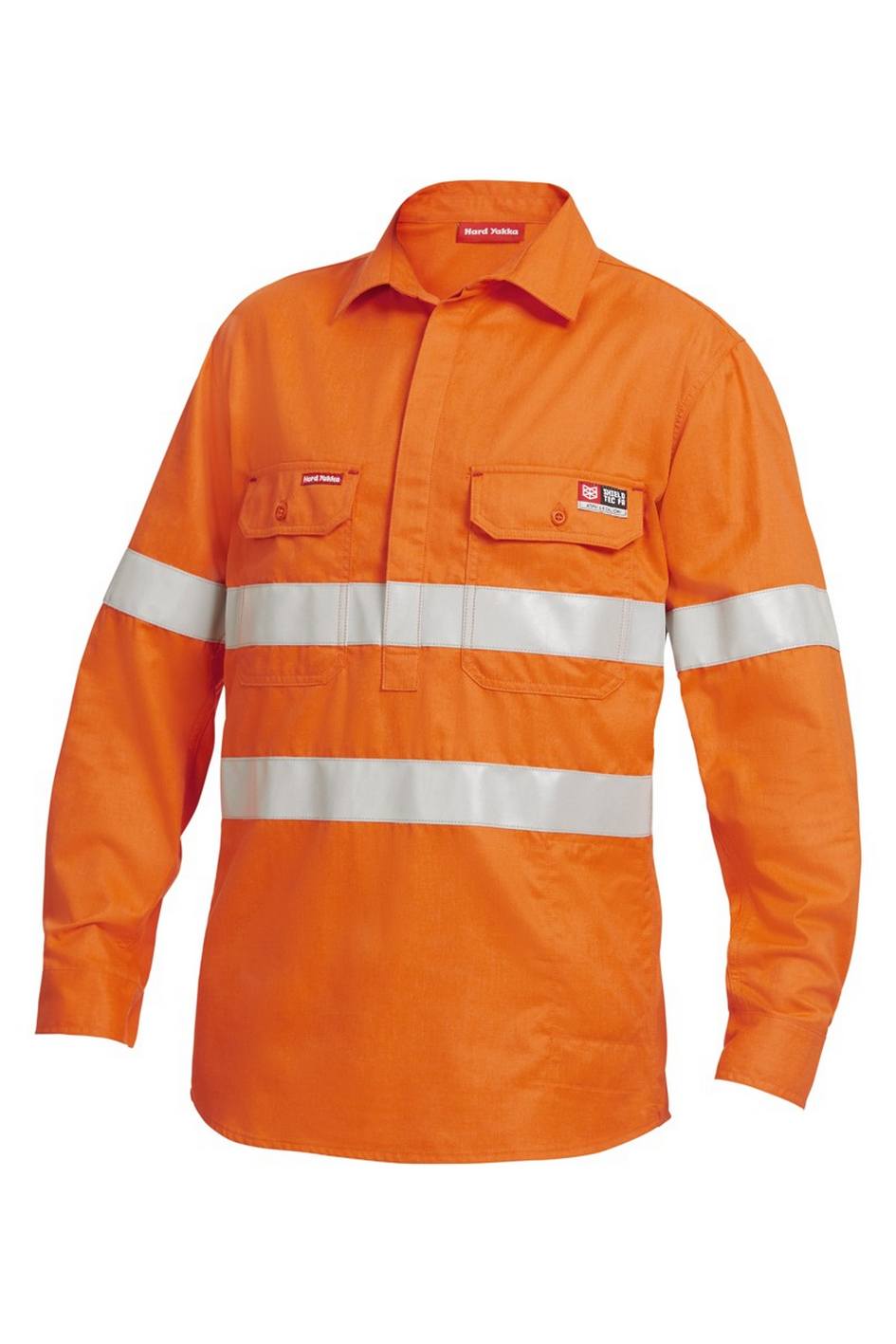
In the dynamic landscape of occupational safety, one standout contributor to visibility and protection is hi-vis workwear. Also known as high-visibility clothing, hi-vis workwear has evolved from a functional necessity to a symbol of safety and professionalism. In this exploration, we delve into the origins, advancements, and transformative impact of hi-vis workwear in various industries.
The Genesis of Hi-Vis Workwear:
The roots of hi-vis workwear trace back to the early 20th century when safety concerns in industries such as construction and railroads prompted the need for enhanced visibility. The first iterations were simple: brightly colored fabrics, often in shades of orange or yellow, to ensure workers were easily discernible in challenging environments.
1. Color Psychology and Visibility:
The choice of colors in hi-vis workwear is not arbitrary; it’s grounded in color psychology and visibility studies. Colors like fluorescent orange and yellow are proven to be more visible in a range of lighting conditions, making them optimal for ensuring workers stand out against various backgrounds.
2. Reflective Technology:
As technology advanced, so did the features of hi-vis workwear. Reflective materials, often in the form of strips or patches, were introduced to enhance visibility during low-light conditions. This innovation significantly improved the effectiveness of hi-vis clothing, especially for workers engaged in activities during dawn, dusk, or night shifts.
3. Regulatory Standards:
Recognizing the critical role of hi-vis workwear in preventing accidents and enhancing worker safety, regulatory standards were established to govern its design and usage. Various countries have specific guidelines outlining the requirements for hi-vis clothing in different industries, ensuring a standardized approach to safety.
4. Expanding Applications:
While initially associated with construction and transportation sectors, hi-vis workwear has expanded its applications. Industries such as manufacturing, logistics, emergency services, and even healthcare have embraced hi-vis clothing as an essential component of their safety protocols.
Benefits of Hi-Vis Workwear:
- Enhanced Visibility: The primary and most crucial benefit of hi-vis workwear is enhanced visibility. In environments where workers are exposed to moving machinery, traffic, or low-light conditions, the ability to be easily seen reduces the risk of accidents.
- Identification and Professionalism: Hi-vis clothing serves a dual purpose by not only ensuring safety but also facilitating easy identification of workers. This is particularly valuable in large worksites or emergency situations. Additionally, hi-vis workwear contributes to a professional image, instilling a sense of competence and reliability.
- Protection Against Inclement Weather: Many hi-vis garments are designed to provide protection against the elements. Waterproof and insulated hi-vis jackets, for example, not only enhance visibility but also keep workers comfortable and protected in adverse weather conditions.
- Compliance with Safety Standards: Adherence to safety regulations is a paramount concern in various industries. Hi-vis workwear ensures compliance with these standards, protecting both employers and employees from potential legal consequences and, more importantly, safeguarding lives.
- Promoting a Safety Culture: The presence of hi-vis workwear fosters a safety-conscious culture within organizations. When safety becomes a visible priority, it permeates the work environment, encouraging a mindset where every individual is responsible for their well-being and the well-being of their colleagues.
Innovations in Hi-Vis Workwear:
- Smart Technology Integration: The integration of smart technologies into hi-vis workwear is on the rise. From embedded sensors that monitor vital signs to garments that communicate with other wearers for improved coordination, these innovations enhance both safety and efficiency.
- Advanced Materials for Comfort: Early iterations of hi-vis clothing were often criticized for being uncomfortable to wear for extended periods. Modern advancements have led to the development of lightweight, breathable, and moisture-wicking materials, ensuring that workers can stay visible without compromising on comfort.
- Customization and Branding: Hi-vis workwear is no longer confined to generic designs. Many companies now offer customization options, allowing organizations to incorporate their logos and branding into the hi-vis garments. This not only maintains a professional aesthetic but also reinforces a sense of identity.
- Versatility in Design: Traditional hi-vis workwear was limited to vests and jackets. Today, there is a diverse range of hi-vis garments, including polo shirts, coveralls, trousers, and even accessories like gloves and hats. This versatility ensures that workers can stay visible while still having clothing suitable for their specific tasks.
Challenges and Solutions:
- Comfort vs. Compliance: Balancing comfort with compliance can be a challenge, especially in industries where workers face extreme conditions. The solution lies in ongoing research and development to create hi-vis workwear that meets safety standards without compromising on wearer comfort.
- Worker Compliance: Ensuring that workers consistently wear hi-vis clothing can be a challenge. Education on the importance of visibility, regular training sessions, and creating a culture where wearing hi-vis workwear is the norm can address this challenge.
The Future of Hi-Vis Workwear:
The trajectory of hi-vis workwear points towards continued innovation and integration with emerging technologies. From the incorporation of smart fabrics to the development of more sustainable materials, the future holds exciting possibilities for enhancing both the safety and user experience of hi-vis clothing.
Conclusion: Shaping Safer Work Environments with Hi-Vis Workwear
Hi-vis workwear has transcended its origins as a safety necessity to become a symbol of responsibility, professionalism, and innovation. As industries continue to prioritize the well-being of their workforce, hi-vis clothing will play a pivotal role in shaping safer, more visible work environments. With ongoing advancements and a commitment to safety, hi-vis workwear stands as a beacon, guiding workers through the challenges of various industries while ensuring they emerge visible, protected, and ready for the tasks at hand.