
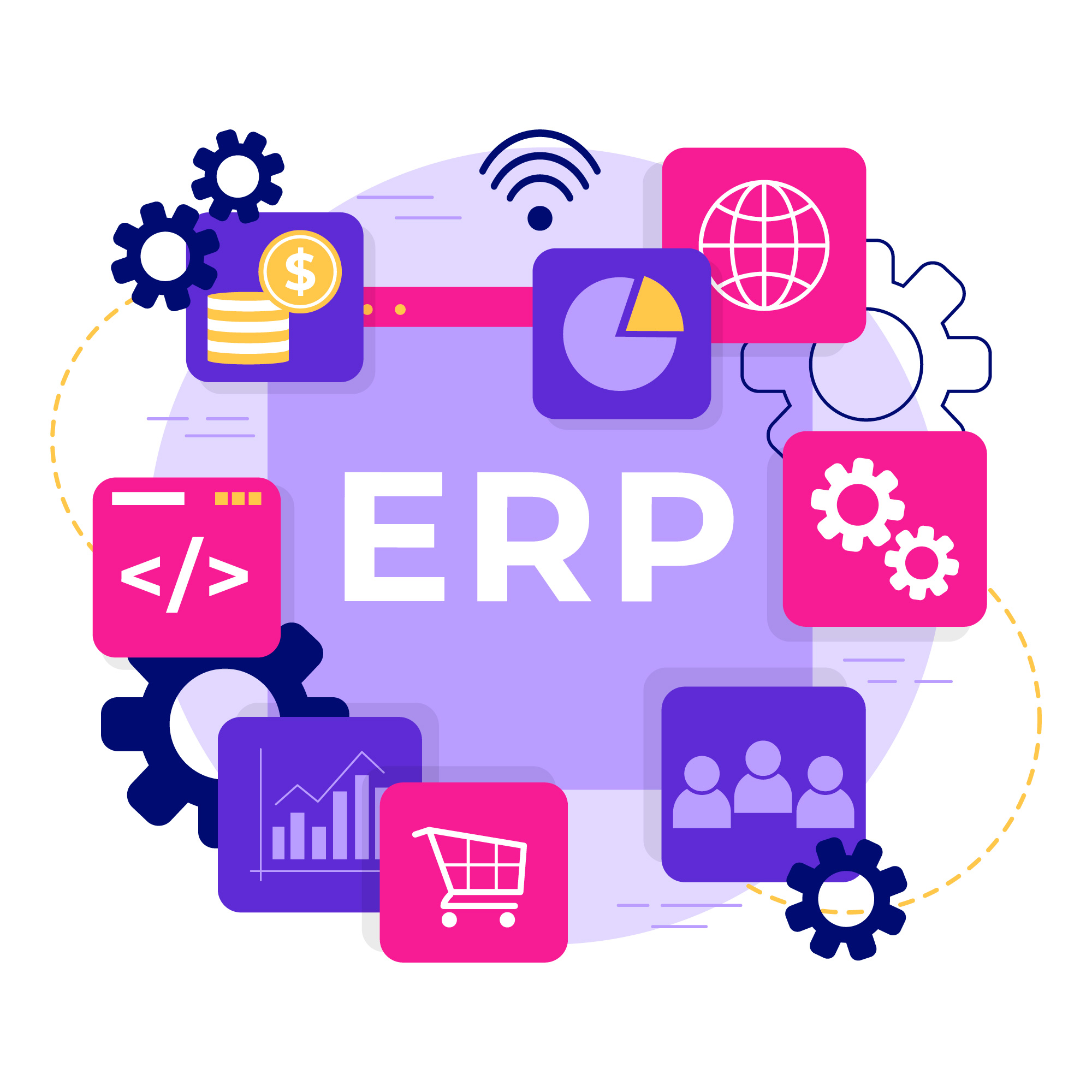
Before we ask, how can we enhance business operations with ERP Systems for small companies?
Firstly, we must understand how efficient operation management is vital to sustaining growth and profitability. One of the most effective tools for achieving this is an Enterprise Resource Planning (ERP) system.
Designed to streamline various business processes, from production to accounting and customer service. An ERP system critically manages data integration while enhancing overall efficiency.
Small businesses, often assuming ERP systems are exclusively for large enterprises, can massively benefit from ERP software implementation. Here’s how ERP for small businesses can revolutionise operations and unlock long-term growth opportunities.
The Transformative Potential of ERP for Small Businesses
Small businesses often struggle with siloed departments and fragmented data. Implementing an ERP system allows these businesses to enhance communication across departments, facilitating the seamless flow of information and data sharing.
Through this integration, small businesses can optimise their processes, leading to improved productivity and streamlined operations.
Increasing Efficiency without Additional Overheads
In the competitive market, increasing throughput without expanding operations is a significant challenge for small businesses.
However, with the automation and process optimisation capabilities of an ERP system, small businesses can boost their throughput without the need for extensive hiring or infrastructure expansion. By automating tasks and eliminating redundant work, small businesses can significantly increase their operational efficiency and output.
Gaining Insightful Business Intelligence
Access to accurate and real-time data is crucial for making informed business decisions. ERP systems provide small businesses with comprehensive data and reporting tools, enabling them to track progress, productivity, and performance effectively.
This enhanced visibility empowers small business owners to make informed decisions and steer their businesses in the right direction, fostering sustainable growth.
Why No Amount of Data Is Too Little for an ERP
ERPs Aren’t Just for Large-Scale Businesses! Despite common misconceptions, ERP systems are not solely for large-scale enterprises.
Small businesses generate substantial data, and effectively managing this data is crucial for driving growth and profitability. ERP systems for small companies allow small businesses to organise and analyse their data, enabling them to make informed decisions and optimise their operations.
Fostering Complete Visibility and Streamlined Collaboration
Maintaining a comprehensive view of the business is essential for small businesses to understand their standing and make strategic decisions. For example, cloud ERP for small businesses provides this overarching visibility, offering real-time insights into various aspects of the business.
By facilitating seamless information sharing and collaboration between departments, cloud based ERP for small business enable small businesses to enhance their operational efficiency and foster a collaborative work environment without any data discrepancies.
Tailoring ERP Pricing to Suit Small Business Budgets
Selecting the most suitable ERP system for your small business involves considering various factors, such as your industry, budget, and specific requirements.
With the availability of diverse ERP vendors catering to different industries, small businesses can find a tailored ERP solution that aligns with their unique operational demands and financial constraints.
Flexible Pricing Models for Optimised Budget Allocation
ERP providers offer flexible pricing models, allowing small businesses to choose the modules and features that best suit their requirements and budget.
Furthermore, small businesses can effectively manage operations with a customised ERP system, optimising overall performance within financial constraints.
Facilitating Growth and Efficiency through ERP Implementation
Implementing an ERP system empowers small businesses to streamline their operations and boost overall efficiency. From reducing inventory costs to improving production efficiency, ERP systems play a crucial role in enhancing various aspects of business operations.
By automating key business functions, such as order processing and finances, ERP systems enable small businesses to focus on strategic initiatives and sustainable growth.
Ensuring Successful ERP Implementation in Small Businesses
Successful ERP implementation is crucial for small businesses aiming to thrive in a competitive market. By aligning business processes with ERP functionalities, businesses can harness the full potential of ERP systems.
While different implementation approaches offer distinct advantages, businesses need to prioritise seamless integration and optimised functionality to ensure long-term success and growth.
How to Tell If Your Small Business Needs an ERP System
For small businesses, implementing an Enterprise Resource Planning (ERP) system can be a game-changer. But how do you know when it’s the right time to make the move? Here are three key indicators that can help you determine whether your small business is ready for an ERP system.
-
Rising Number of Employees: Efficient Workforce Collaboration and Management
As your small business grows and your team expands, managing operations and ensuring seamless collaboration becomes increasingly challenging.
This challenge is particularly evident in the current landscape of remote work, where maintaining employee motivation and satisfaction is crucial. Consider implementing an ERP system to streamline employee updates, task delegation, and address interpersonal issues among staff.
-
Raised Funding Recently: Enhancing Overall Business Efficiency
Securing funds for your small business is a significant milestone. To make the most of this opportunity and ensure sustainable growth, investing in a reliable ERP system is a strategic move.
Such an investment not only benefits your employees, customers, and vendors but also contributes to the satisfaction of your investors, making it a win-win situation for all stakeholders involved.
-
Exploding Customer Demand: Streamlining Operations to Meet Growing Demand
When your small business experiences a surge in customer demand for your products or services, managing inventory, fulfilling orders, and meeting customer expectations become top priorities.
If you find yourself struggling to keep up with these demands, an ERP system can streamline your operations, helping you maintain efficiency and deliver exceptional service to your customers.
When to Consider Upgrading Your Existing Software
If you’ve been in business for a significant period, it’s essential to consider upgrading your current software when it becomes outdated and no longer meets your growing business needs.
Migrating to a robust ERP software solution ensures that all your business processes are efficiently managed from a single platform, enhancing overall productivity and performance.
Exploring Cost-effective ERP Solutions for Small Businesses
Looking for the best ERP for your small business without breaking the bank? Here are some cost-effective and efficient ERP software for small businesses worth considering.
ERPNext
ERPNext is an open-source ERP system that uses JavaScript and Python for its server-side framework.
ViTWO ai
For a more comprehensive experience, consider exploring ViTWO ai, which, although not entirely free, offers free trials and provides affordable ERP solutions tailored to the specific needs of small businesses in India.
Odoo
Odoo is a cloud-based ERP system that small businesses can download for free.
Dolibarr
Dolibarr, a cloud-based ERP for small businesses and freelancers, offers comprehensive customer relationship management features, making it an ideal choice for managing client interactions efficiently.
ADempiere
With its Italian name meaning ‘to accomplish,’ ADempiere is a free licensed ERP software that effectively fulfils business management needs.
With the right business ERP software, you can streamline your business operations and pave the way for sustainable growth and success.
Final Thoughts
In conclusion, ERP systems serve as powerful tools for small businesses seeking to optimise their operations and drive sustainable growth. By leveraging the capabilities of ERP systems, small businesses can streamline their processes, enhance communication, and gain valuable business insights.
With the right ERP solution tailored to their specific needs, small businesses can maximise their resources, improve efficiency, and foster long-term success in an ever-evolving business landscape. Adopting an ERP system is not just a choice but a strategic investment that can revolutionise the way small businesses operate and propel them toward a prosperous future.
By embracing the transformative power of ERP for small businesses, entrepreneurs and small business owners can unlock unprecedented opportunities for growth and success.