
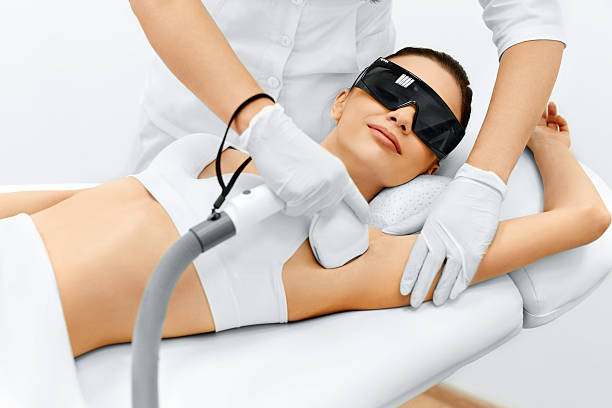
Laser hair removal has become a popular choice for those seeking a more permanent solution to unwanted hair. This non-invasive procedure uses concentrated light to target and damage hair follicles, preventing future hair growth. While the process is generally safe and effective, proper preparation and aftercare are essential to ensure the best results and minimize potential risks. In this blog, we’ll explore what you should and should not do before and after laser hair removal to maximize the benefits of this treatment.
Before Laser Hair Removal:
1. Consultation with a Licensed Professional: Before scheduling your laser hair removal session, consult with a licensed and experienced professional. They will assess your skin type, hair color, and medical history to determine if you are a suitable candidate for the procedure.
2. Shave the Treatment Area: A day or two before your appointment, shave the treatment area. This ensures that the laser energy is focused on the hair follicles rather than the hair on the surface. Avoid waxing, plucking, or using depilatory creams, as these methods remove the hair from the root and may interfere with the laser’s effectiveness.
3. Stay Out of the Sun: Sun exposure can make your skin more sensitive and increase the risk of complications during and after the treatment. Avoid direct sun exposure, tanning beds, and self-tanning products for at least two weeks before your session. If you have a tan, the contrast between your skin and hair color may cause adverse effects.
4. Avoid Certain Medications: Some medications can make your skin more sensitive to the laser, increasing the risk of burns or discoloration. Inform your laser technician about any medications you are taking, including antibiotics, retinoids, and photosensitizing drugs. They will advise you on whether to temporarily discontinue use.
5. Cleanse the Treatment Area: On the day of your appointment, cleanse the treatment area thoroughly. Avoid applying any lotions, creams, or makeup, as they can interfere with the effectiveness of the laser. Clean, dry skin allows the laser to penetrate the hair follicles more effectively.
After Laser Hair Removal:
1. Protect Your Skin from the Sun: After your laser hair removal session, your skin will be more sensitive to sunlight. Apply a broad-spectrum sunscreen with an SPF of at least 30 to the treated area whenever it’s exposed to the sun. This helps prevent hyperpigmentation and sunburn.
2. Avoid Hot Showers and Baths: For the first 48 hours after the procedure, avoid hot showers, baths, saunas, and activities that cause excessive sweating. Warm water is gentler on the treated skin, reducing the risk of irritation and discomfort.
3. Skip Exfoliation and Harsh Products: Steer clear of exfoliating scrubs, glycolic acid, and retinoids on the treated area for about a week post-treatment. These products can be too harsh on the skin and may cause irritation.
4. Don’t Pluck or Wax: While you may be eager to get rid of any residual hair, resist the temptation to pluck or wax the treated area between sessions. These methods can interfere with the hair growth cycle and affect the laser’s effectiveness. Instead, you can gently shave if necessary.
5. Moisturize and Hydrate: Keeping your skin moisturized is essential for preventing dryness and discomfort. Use a fragrance-free, hypoallergenic moisturizer to soothe the treated area. Drinking plenty of water also helps maintain skin hydration.
6. Follow Up with Scheduled Sessions: Laser hair removal typically requires multiple sessions to target hair in different growth stages. It’s important to adhere to the schedule recommended by your technician for the best results. Skipping sessions or extending the time between treatments can lead to suboptimal outcomes.
7. Communicate with Your Technician: If you experience any unusual side effects or have questions or concerns about your treatment, don’t hesitate to contact your laser technician. They can provide guidance and address any issues that may arise during your laser hair removal journey.
In conclusion, laser hair removal can be an effective way to achieve long-term hair reduction. However, proper preparation and aftercare are essential to ensure the best results and minimize potential risks. By following the do’s and don’ts outlined in this blog, you can enhance the effectiveness of the treatment and enjoy smoother, hair-free skin in the long run. Always consult with a licensed professional for personalized guidance tailored to your specific needs and circumstances.
Visit royal cosmetic surgery clinic for more information!