
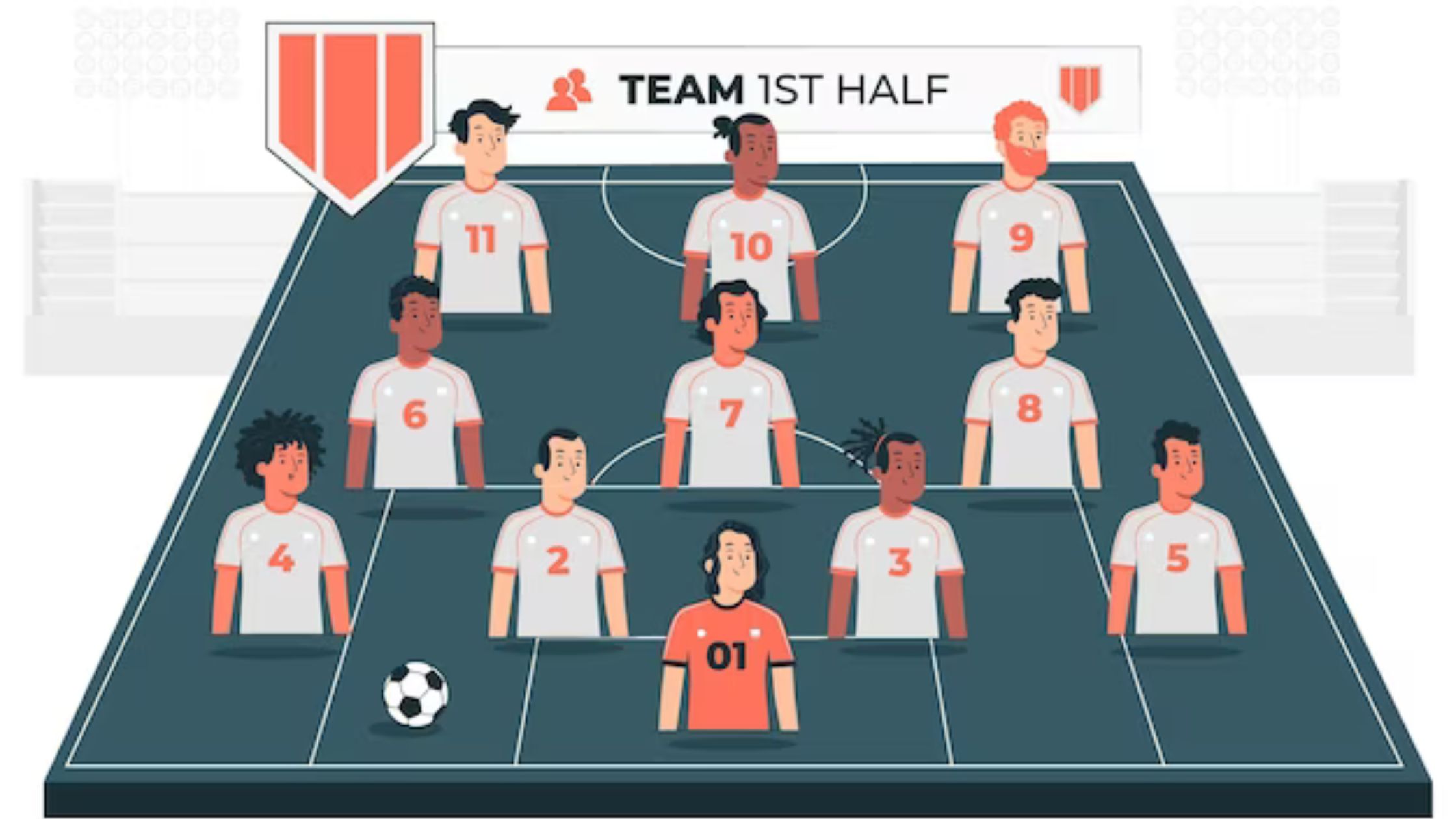
Are you fascinated by the beautiful game of soccer and the diverse roles each player takes on the field? While every soccer position holds its own importance, there’s something truly unique about being a goalkeeper. These guardians of the goalposts are the last line of defense, the saviors of victory, and often the unsung heroes of the team. In this blog, we will delve into the world of soccer positions, with a special focus on goalkeepers, exploring what it takes to be one. So, grab your gloves and join us on this fascinating journey between the sticks.
-
The Ultimate Shot Stoppers
Goalkeepers are the soccer positions that are the ultimate shot stoppers. Their primary role is to prevent the opposing team from scoring goals. They need quick reflexes and exceptional hand-eye coordination to save those thunderous shots and delicate chips. Just like an artist perfecting their craft, goalkeepers spend countless hours honing their skills, working on their positioning, and learning how to read the game. It’s a unique combination of skill and instinct that sets them apart.
-
Commanding the Defense
Goalkeepers are the quarterbacks of the defense. They have a commanding view of the entire field and play a pivotal role in organizing the team’s defensive shape. They constantly communicate with their defenders, directing them where to position and how to handle the opponent’s attack. This role requires leadership and the ability to stay cool under pressure, making them the tactical brains on the field.
-
A Unique Skill Set
Being a goalkeeper isn’t just about stopping shots; it’s also about distribution. Goalkeepers are expected to make precise and long-range passes to initiate attacks. They need to master the art of kicking, throwing, and even dribbling the ball when the situation demands. Their unique skill set extends far beyond shot-stopping, making them versatile players on the pitch.
-
Mental Toughness
Goalkeepers often find themselves in high-pressure situations. They must maintain their composure when facing penalty kicks, one-on-one situations with strikers, and being the last hope in penalty shootouts. The mental strength required to be a goalkeeper is unparalleled. It’s a game of anticipation, concentration, and resilience, where a single mistake can change the course of the match.
-
Handling Set Pieces
Soccer rebounders play a significant role in a goalkeeper’s training. Set pieces, including corner kicks and free-kicks, are some of the most dangerous situations a team can face. Goalkeepers must be adept at reading the flight of the ball, positioning themselves correctly, and having the courage to come out and claim the ball in a sea of towering defenders and attackers. It’s a skill that requires both bravery and precision.
-
Physical Fitness
Goalkeepers need to be in top physical condition. They must have agility, strength, and endurance to dive, leap, and sprint when needed. A goalkeeper’s training regimen includes a mix of cardiovascular fitness, strength training, and agility drills. They must be ready to make those acrobatic saves and be a formidable presence in the penalty area.
-
Adaptability
Being a goalkeeper means being ready for anything. The game of soccer is unpredictable, and goalkeepers often find themselves facing different challenges in every match. Whether it’s a long-range rocket, a curling free-kick, or a close-range header, they need to adapt quickly to the ever-changing nature of the game. This adaptability sets them apart as true artists of the sport.
Closing Remarks
Being a goalkeeper in soccer is not just a position; it’s a genuine art form. These unique players combine physical prowess, mental fortitude, and exceptional skill to guard their team’s fortress. They are the ones who make those jaw-dropping saves and, in many cases, the difference between winning and losing. So, the next time you watch a soccer match, take a moment to appreciate the goalkeepers, the true artists of football, who have dedicated their lives to mastering the demands of their position.