
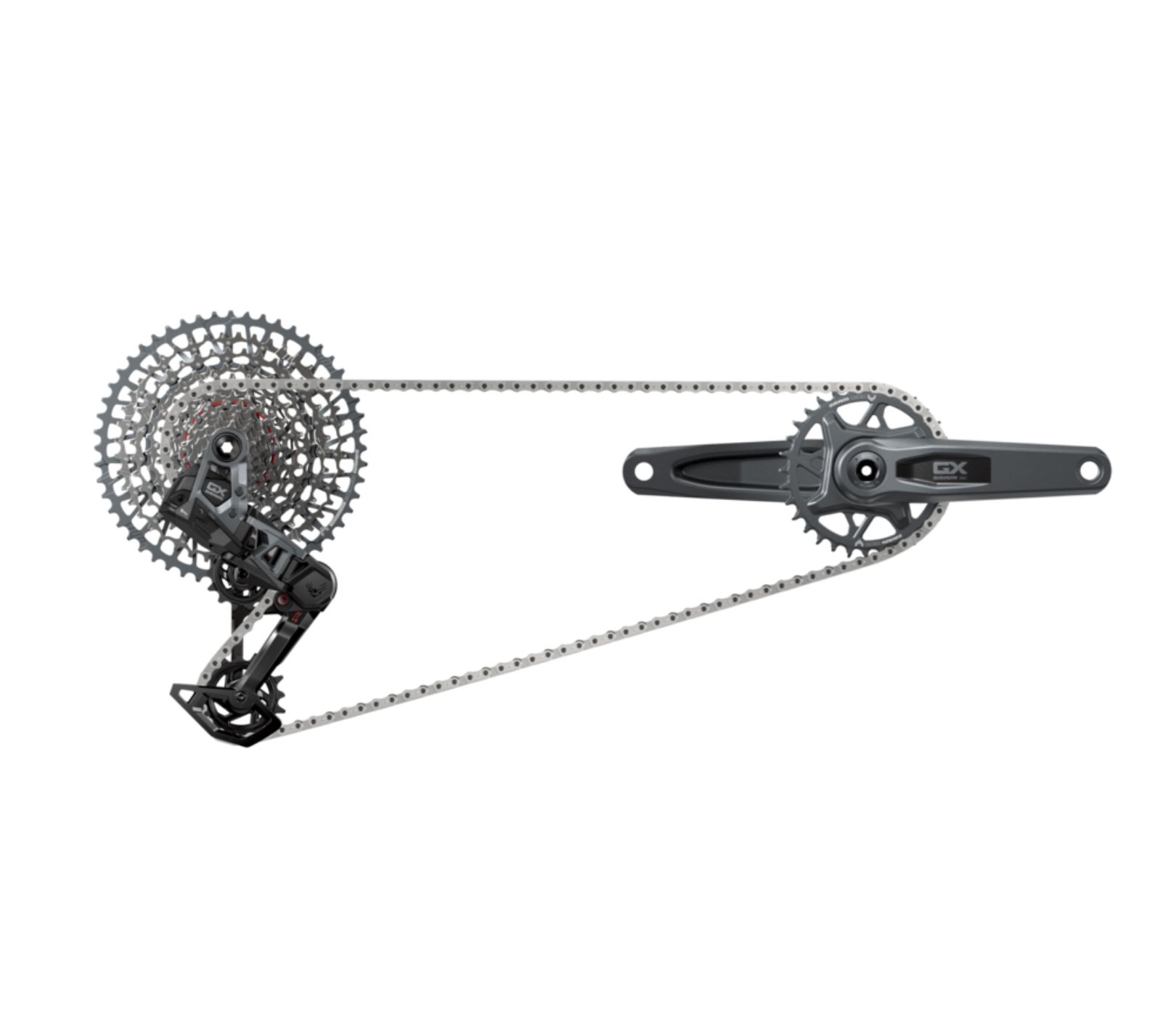
Bicycles are remarkable machines, a testament to human engineering ingenuity. They come in various shapes and sizes, serve diverse purposes, and are powered solely by the rider’s legs. At the heart of every bicycle lies a crucial component that connects the rider’s power to the wheels – the crankset. In this blog, we will delve into the world of cranksets, exploring their anatomy, functions, and the role they play in making your bike go round.
The Anatomy of a Crankset
A crankset is a combination of components that work together to convert your pedaling motion into rotational force, propelling your bike forward. Let’s break down the key components of a typical crankset:
-
Crank Arms: Crank arms are the extensions that attach to the bottom bracket of the bicycle frame. Pedals are screwed into the outer ends of the crank arms, and the rider applies force by pushing and pulling on them.
-
Chainrings: These are the toothed discs that connect to the crank arms. The chain, which transfers power to the rear wheel, wraps around these chainrings. A crankset typically has two or three chainrings, known as double or triple chainrings, respectively.
-
Bottom Bracket: The bottom bracket connects the crank arms to the bicycle frame, allowing them to rotate. It’s a set of bearings that help reduce friction and enable smooth pedaling.
The Function of a Crankset
The primary function of a crankset is to convert the rider’s pedaling motion into rotary motion that drives the bike’s chain, which, in turn, propels the bike forward. Here’s how it works:
-
Pedaling Power: When you pedal, you apply force to the pedals. This force is transmitted through the crank arms to the chainrings.
-
Transfer of Force: As you pedal, the chainrings turn, and the chain moves with them. The teeth on the chainrings mesh with the links of the chain, transferring your pedaling power to the rear wheel.
-
Drive the Bike Forward: The chain then rotates the rear wheel’s sprockets, causing the wheel to turn. This forward motion is what makes the bike move.
The Importance of the Crankset
The crankset is an essential component of any bicycle, and its quality can significantly affect your riding experience. Here’s why the crankset matters:
-
Efficiency: A well-designed crankset minimizes power loss due to friction, ensuring that more of your energy is transferred to the wheels. This results in a more efficient ride.
-
Versatility: Cranksets come in various configurations, allowing riders to choose the right gear ratios for their riding style. This flexibility is crucial for different terrains and riding conditions.
-
Durability: High-quality materials and construction make a durable crankset that can withstand the rigors of cycling.
-
Aesthetics: Cranksets can also be a visual focal point of your bike, adding to its overall appearance.
Conclusion
The humble crankset may not be the flashiest part of a bicycle, but it is undeniably one of the most critical. It serves as the bridge between the rider’s power and the bike’s forward motion. Understanding its anatomy and function can help cyclists appreciate the engineering marvel that is the bicycle. Whether you’re a casual rider or a dedicated cyclist, the next time you hit the road or trail, spare a thought for the unsung hero of your bicycle – the crankset.