
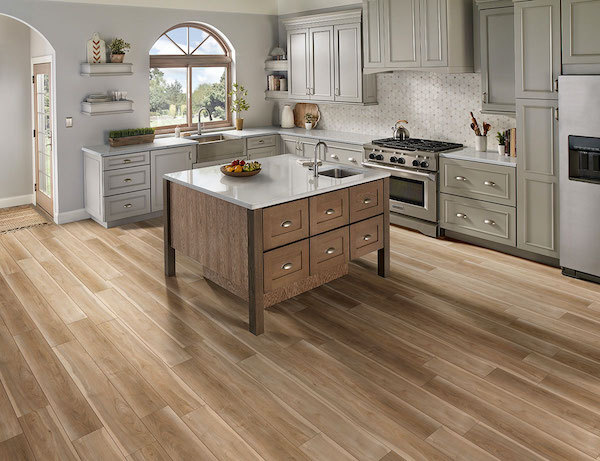
Make the smart choice for youWhen it comes to flooring options, Lvt (Luxury Vinyl Tile) flooring has been gaining popularity for its durability, versatility, and affordability. In this comprehensive guide, we’ll delve deep into the world of Lvt flooring, providing you with the knowledge you need to make an informed decision for your home or business. From its advantages and installation process to maintenance and design choices, this article covers it all.
What is Lvt Flooring?
Lvt flooring, short for Luxury Vinyl Tile flooring, is a high-quality synthetic flooring option that replicates the look and feel of natural materials like wood and stone. This affordable and versatile flooring choice has gained widespread recognition due to its durability, ease of installation, and numerous design options.
Lvt flooring is composed of multiple layers, including a wear layer, photographic layer, and backing layer. These layers work in tandem to create a visually appealing and long-lasting flooring solution.
Advantages of Lvt Flooring
Lvt flooring offers a plethora of advantages that make it a popular choice among homeowners and businesses alike:
1. Durability
Lvt flooring is incredibly durable, making it suitable for high-traffic areas. Its wear layer resists scratches, stains, and wear and tear, ensuring a long lifespan.
2. Versatility
With a wide range of designs, colors, and patterns available, Lvt flooring can mimic the appearance of natural materials, giving you the aesthetic you desire without the maintenance.
3. Easy Installation
Installation is a breeze with Lvt flooring. Whether you opt for adhesive-backed tiles or click-and-lock planks, the process is straightforward and can often be done as a DIY project.
4. Water Resistance
Lvt flooring is water-resistant, making it ideal for kitchens, bathrooms, and basements where spills and moisture are common.
5. Low Maintenance
Maintaining Lvt flooring is simple; regular sweeping and occasional mopping will keep it looking brand new.
6. Cost-Effective
Compared to natural materials like hardwood or stone, Lvt flooring is budget-friendly without compromising on quality or style.
Lvt Flooring Installation
Installing Lvt flooring is a manageable task, even for those with minimal DIY experience. Here’s a step-by-step guide to help you get started:
1. Prepare the Subfloor
Ensure your subfloor is clean, dry, and level. Any imperfections should be addressed before installation.
2. Measure and Plan
Measure your room carefully and plan the layout to minimize cutting and waste.
3. Acclimate the Flooring
Allow the Lvt flooring to acclimate to the room’s temperature and humidity for at least 48 hours before installation.
4. Start Laying the Tiles
Begin in one corner of the room and work your way out, using adhesive or the click-and-lock system as directed by the manufacturer.
5. Cut and Fit
When necessary, cut tiles to fit around obstacles or the room’s perimeter.
6. Apply Finishing Touches
Install baseboards or trim to cover expansion gaps and create a polished look.
Designing with Lvt Flooring
Lvt flooring offers endless design possibilities. You can achieve various styles, including:
1. Wood Look
Emulate the warmth and elegance of hardwood with wood-look Lvt planks. Choose from a range of wood species and finishes to match your decor.
2. Stone Look
Capture the natural beauty of stone with Lvt tiles that replicate the appearance of marble, slate, or travertine.
3. Geometric Patterns
Get creative with geometric patterns and designs to make a statement in your space.
Frequently Asked Questions (FAQs)
Is Lvt flooring suitable for commercial spaces?
Yes, Lvt flooring is an excellent choice for commercial areas due to its durability and low maintenance requirements. It can withstand heavy foot traffic and maintain its appearance over time.
Can Lvt flooring be installed over existing flooring?
In most cases, Lvt flooring can be installed over existing hard floors like tile, hardwood, or laminate. However, it’s essential to follow manufacturer guidelines and ensure the subfloor is in good condition.
What is the average lifespan of Lvt flooring?
Lvt flooring typically has a lifespan of 15 to 25 years, depending on the quality of the product and maintenance.
Is underfloor heating compatible with Lvt flooring?
Yes, many Lvt flooring options are compatible with underfloor heating systems, providing added comfort and warmth to your space.
How do I clean and maintain Lvt flooring?
Regular sweeping and occasional damp mopping with a mild cleaner are usually sufficient for maintaining Lvt flooring’s appearance. Avoid abrasive cleaners or excessive water.
Can Lvt flooring be used in wet areas like bathrooms?
Yes, Lvt flooring is water-resistant, making it suitable for wet areas like bathrooms, kitchens, and laundry rooms.
Conclusion
In conclusion, Lvt flooring is a versatile, durable, and cost-effective choice for homeowners and businesses alike. With its numerous design options and ease of installation, it’s no wonder that Lvt flooring has become a top choice in the world of flooring. Whether you’re looking to revamp your space or embark on a new project, Lvt flooring offers an attractive and practical solution.
r floors and explore the world of Lvt flooring today!