
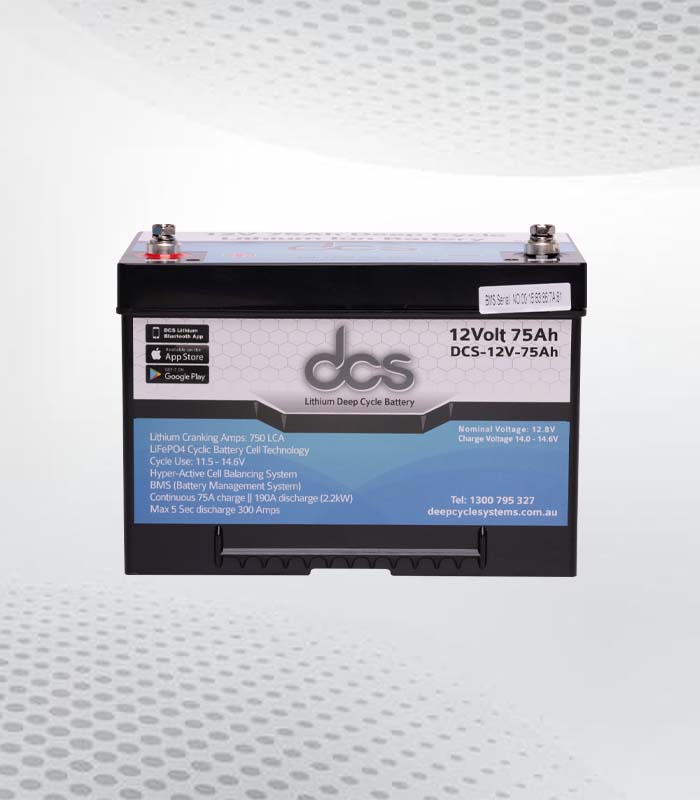
Are you planning an RV adventure and want to ensure you have a reliable power source? Look no further than the LiFePO4 125AH lithium battery. These batteries are known for their long lifespan, lightweight design, and high performance. However, like other batteries, they require proper maintenance to ensure optimal performance and longevity. In this blog post, we’ll discuss some essential tips to help you maintain your 125AH lithium battery and power up your RV adventure. So, let’s get started!
Understanding Your 125AH LiFePO4 Lithium Battery: Key Features and Benefits
If you’re considering investing in a 125AH LiFePO4 lithium battery for your RV adventure, it’s important to understand the key features and benefits that come with it.
One of the standout features of the LiFePO4 125AH lithium battery is its long lifespan. Unlike traditional lead-acid batteries, which typically last around 3-5 years, these lithium batteries can last up to 10 years with proper maintenance. This means you won’t have to worry about replacing your battery anytime soon, saving you time and money in the long run.
Another advantage of the LiFePO4 lithium battery is its lightweight design. Weighing significantly less than lead-acid batteries, these lithium batteries are perfect for RV enthusiasts who want to keep their vehicle’s weight to a minimum. This improves fuel efficiency and allows for easier installation and maneuverability.
In terms of performance, the LiFePO4 125AH lithium battery excels. It delivers a consistent and reliable power supply, ensuring that all your electrical appliances and devices run smoothly while you’re on the road. Whether powering your lights and fridge or charging your devices, this lithium battery covers you.
Essential Maintenance Tips for Optimal Battery Performance
Proper maintenance is key to ensuring optimal performance and longevity of your 125AH LiFePO4 lithium battery. Here are some essential tips to help you keep your battery in top shape and power up your RV adventure.
Firstly, it’s important to check the battery’s voltage regularly. A voltage reading below 12 volts indicates that it needs to be charged. To maintain optimal performance, keeping the battery voltage above 12.6 volts is recommended.
Secondly, when charging your LiFePO4 battery, use a charger specifically designed for lithium batteries. Avoid using chargers meant for lead-acid batteries, as they may not provide the correct charging parameters. Overcharging or undercharging can damage the battery and shorten its lifespan.
Thirdly, keep your battery clean and free from dirt and corrosion. Use a soft cloth or brush to clean the battery terminals and connections, and apply a thin layer of petroleum jelly to prevent corrosion.
Lastly, if you’re not using your RV for an extended period, it’s important to store the battery properly properly. Please keep it cool and dry and periodically charge it to prevent self-discharge.
Common Mistakes to Avoid in Preserving Battery Life
When it comes to preserving the life of your 125AH LiFePO4 lithium battery, RV owners often make a few common mistakes. By avoiding these mistakes, you can ensure your battery performs at its best and lasts for years.
One common mistake is overcharging the battery. While keeping your battery charged is important, overcharging can cause damage and reduce its lifespan. Use a charger specifically designed for lithium batteries and follow the recommended charging parameters.
Another mistake is allowing the battery to discharge completely. Lithium batteries perform best when kept at a certain level of charge. Allowing the battery to completely discharge can lead to irreversible damage. Monitor the battery voltage and recharge it before it drops below the recommended level.
Improper storage is also a common mistake. If you’re not using your RV for an extended period, it’s important to store the battery properly properly. Please keep it in a cool and dry place and periodically charge it to prevent self-discharge.
Lastly, using the wrong charger or accessories can also impact battery performance. Make sure to use chargers and accessories specifically designed for lithium batteries to avoid compatibility issues.
Addressing Potential Issues and Troubleshooting Steps
As reliable as the LiFePO4 125AH lithium battery is, it’s not immune to potential issues. Luckily, there are troubleshooting steps you can take to address these issues and keep your battery running smoothly during your RV adventure.
One potential issue you may encounter is a sudden decrease in battery capacity. If you notice that your battery isn’t holding a charge as well as it used to, it could be due to a few factors. First, check for any loose or corroded connections. A poor connection can lead to a decrease in performance. If you find any loose or corroded connections, clean them and ensure they are securely tightened.
Another potential issue is a voltage drop. If you’re experiencing a voltage drop, it could be a sign that your battery is reaching the end of its lifespan. Lithium batteries typically maintain a steady voltage until the end, but if you notice a sudden drop, consider replacing your battery.
Lastly, if you’re experiencing intermittent power loss, it could result from a faulty charger or charger connection. Make sure your charger is working properly and that all connections are secure. If you’re still experiencing power loss, consider replacing your charger.
Maximizing Lifepo4 120ah Lifespan with Best Practices
To maximize the lifespan of your Lifepo4 120ah, you can follow some best practices. Firstly, avoid discharging the battery as much as possible. Lithium batteries perform best when kept at a certain charge level, so try to recharge your battery before it drops below 20% capacity. This will help prevent irreversible damage and prolong the battery’s life.
Secondly, it’s important to avoid exposing the battery to extreme temperatures. High temperatures can cause the battery to degrade faster, while low temperatures can affect its performance. Store your battery in a cool and dry place, away from direct sunlight or freezing temperatures, whenever possible.
Another best practice is to avoid overworking your battery. While the LiFePO4 lithium battery is designed to handle high demand, excessive use can still reduce lifespan. Try to distribute power usage evenly and avoid running too many power-hungry appliances simultaneously.
Charging Your LiFePO4 Battery: Dos and Don’ts
When it comes to charging your LiFePO4 battery, there are some important dos and don’ts to keep in mind. Let’s start with the dos.
Firstly, do use a charger specifically designed for lithium batteries. Using a charger meant for lead-acid batteries can result in incorrect charging parameters, damaging your battery and reducing its lifespan. So, invest in a charger specifically designed for LiFePO4 batteries.
Secondly, follow the recommended charging parameters for your battery. This includes charging at the appropriate voltage and current levels. Avoid overcharging or undercharging your battery, damaging its performance and longevity. Refer to the manufacturer’s instructions or consult with a professional if you need clarification on the charging parameters for your specific battery model.
Now, let’s move on to the don’ts.
Firstly, don’t overcharge your battery. Overcharging can lead to overheating, which can be dangerous and can reduce the battery’s lifespan. Monitor the charging process and disconnect the charger once the battery reaches full capacity.
Secondly, don’t leave your battery unattended while charging. While LiFePO4 batteries are generally safe to charge, it’s always a good idea to keep an eye on the charging process and ensure no abnormalities or issues.
Tips for Storing Your 125AH LiFePO4 Lithium Battery during Off-Season
When the RV season ends, it’s important to properly store your 125AH LiFePO4 lithium battery to ensure its longevity and performance for the next adventure. Here are some helpful tips for storing your battery during the off-season.
Firstly, make sure to fully charge the battery before storing it. A fully charged battery is less susceptible to self-discharge and will be ready to go when you hit the road again. Use a charger specifically designed for lithium batteries and follow the recommended charging parameters.
Next, find a cool and dry place to store your battery. Extreme temperatures can affect the performance and lifespan of lithium batteries, so avoid storing them in areas prone to high heat or freezing temperatures. A temperature-controlled storage space like a garage or basement is ideal.
Additionally, disconnect any electrical connections to prevent any drain on the battery during storage. This includes disconnecting the battery from your RV’s electrical system and any accessories that may be connected.
Lastly, periodically check on the battery during the off-season. It’s a good idea to charge it up every few months to prevent self-discharge and ensure it remains in good condition. Just remember to disconnect any electrical connections before charging.
FAQs
Have some questions about maintaining your 125AH LiFePO4 lithium battery for your RV adventure? We’ve got you covered! Check out these frequently asked questions to find the answers you need.
1. How often should I check the battery voltage?
It’s recommended to regularly check the battery voltage, especially if you’re using your RV frequently. Keeping an eye on the voltage can help you identify when the battery needs to be charged to maintain optimal performance.
2. Can I use a lead-acid battery charger for my LiFePO4 battery?
No, using a charger specifically designed for lithium batteries is best. Lead-acid battery chargers may not provide the correct charging parameters for your LiFePO4 battery, which can result in damage and reduced lifespan.
3. Is it normal for the battery to discharge during storage?
Yes, a small amount of self-discharge is normal for lithium batteries during storage. To prevent excessive self-discharge, charging the battery periodically during the off-season is recommended.
Conclusion
In conclusion, maintaining your 125AH LiFePO4 lithium battery is essential to ensure optimal performance and longevity during your RV adventure. Following the tips and best practices mentioned in this blog post, you can keep your battery in top shape and power up your journey easily and reliably.