
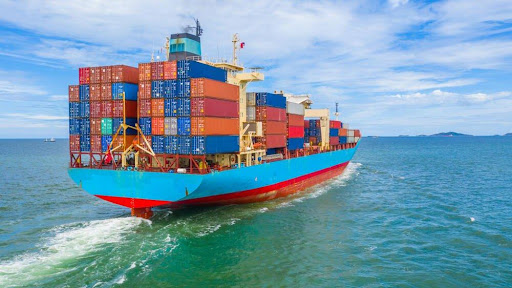
Container shipping, the backbone of global trade, is often taken for granted. Yet, its significance is far from ordinary. This method of transporting goods plays a pivotal role in shaping the world’s economy, connecting distant shores, and enabling the exchange of goods on an unprecedented scale. Let’s understand the strategic imperative of container shipping, revealing the forces that drive it, the challenges it faces, and the far-reaching impact it has on businesses and consumers alike.
The Unseen Workhorse:
At first glance, a container ship may seem like a monolithic vessel moving across the seas. However, beneath this seemingly simple process lies a complex web of logistics and coordination. Container shipping is like the circulatory system of the global economy, ensuring that products, raw materials, and commodities reach their destinations efficiently.
Global Interconnectedness:
Container shipping to Africa and other continents of the world has transformed the way we do business, creating a truly global marketplace. Goods manufactured in one part of the world can effortlessly find their way to consumers thousands of miles away. The interconnectivity has allowed companies to source materials, produce goods, and reach customers with unprecedented ease. The very device you’re using to read this blog may have crossed the seas in a container, embodying the global reach of container shipping.
Economic Efficiency:
Large container vessels are designed to carry an immense number of containers, which makes it incredibly cost-effective in terms of shipping per unit. The efficiency has made a wide variety of goods more affordable and accessible for consumers, contributing to an improved quality of life for many.
Challenges at Sea:
Despite its indispensability, container shipping is not without challenges. The shipping industry faces headwinds in the form of fluctuating fuel prices, concerns about environmental sustainability, and the pressure to increase efficiency. Furthermore, global events such as the COVID-19 pandemic have highlighted vulnerabilities in the system, including port congestion and supply chain disruptions.
The Consumer Connection:
It’s essential to recognize that container shipping impacts consumers on a daily basis. From the latest gadgets to the food on our tables, nearly everything we consume has been transported in a container at some point. Even the auto parts shipping to Nigeria and other parts are transported with the help of a container. When container shipping faces challenges or disruptions, it can result in supply chain interruptions, affecting product availability and pricing.
Digitalization and Innovation:
Digital platforms and innovations like blockchain are being introduced to streamline and secure the movement of goods. These advancements promise to enhance transparency, reduce errors, and make the shipping process more efficient.
Balancing Trade Flows:
It facilitates the export of goods from countries with surplus production to those with demand, fostering economic relationships and ensuring a more equitable distribution of resources.
Resilience and Adaptability:
The container shipping industry has exhibited remarkable resilience and adaptability. It has demonstrated the capacity to adjust routes, optimize operations, and adopt innovative solutions to navigate through turbulent times, ensuring the continued flow of essential goods even during crises.
In The End
Container shipping is the lifeline of the global economy. It connects people, businesses, and nations, enabling the exchange of products that drive our world forward. Understanding its strategic imperative helps us appreciate the magnitude of its impact and the importance of addressing its challenges. As we sail into the future, container shipping will continue to be an essential force shaping the world we live in, influencing economies, and connecting cultures across the oceans.