
In our increasingly eco-conscious world, environmental protection is a shared responsibility. From industrial facilities to laboratories and storage areas, the handling of hazardous materials is a task that requires utmost care to prevent potential harm to both the environment and human health. In this context, containment pallets play a pivotal role in safeguarding our planet while facilitating responsible material management.
Understanding Containment Pallets
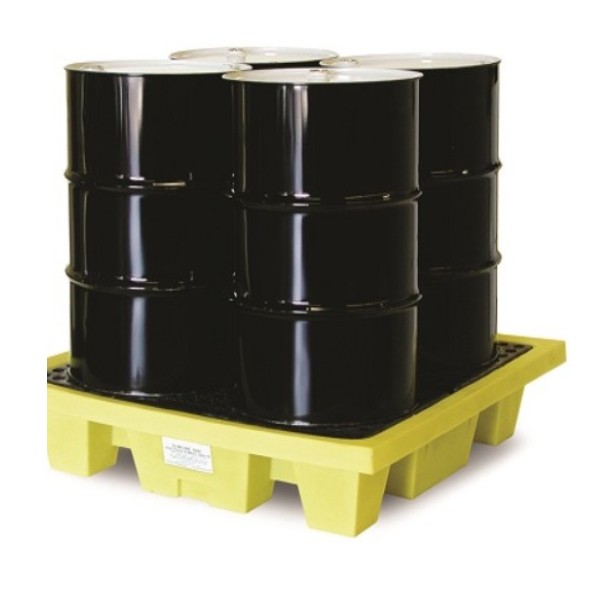
Containment pallets, also known as spill containment pallets or secondary containment pallets, are specialized platforms designed to securely store containers, such as drums, totes, or other vessels, that contain potentially harmful substances. The primary function of containment pallets is to prevent spills, leaks, or drips from reaching the surrounding environment. These pallets come in various sizes and materials to cater to a wide range of industries and applications.
Preventing Environmental Contamination
The environmental hazards associated with the mishandling of hazardous materials are well-documented. Chemical spills or leaks can lead to soil and water pollution, which can have far-reaching consequences for ecosystems and public health. Containment pallets act as a vital line of defense against such incidents, serving to protect our environment in the following ways:
- Chemical Containment: Containment pallets are engineered to contain any accidental leaks or spills that may occur during the storage or transportation of hazardous materials. This containment prevents the chemicals from seeping into the ground or water sources, minimizing the risk of contamination.
- Groundwater Protection: By capturing and containing hazardous substances, containment pallets prevent these chemicals from infiltrating and contaminating groundwater, which is a critical resource for drinking water and agricultural purposes.
- Air Quality Maintenance: Certain hazardous materials can release harmful fumes or vapors. Containment pallets are designed to minimize the release of these hazardous air pollutants, helping to maintain air quality and protect the atmosphere.
Regulatory Compliance and Accountability
Environmental regulations and standards are in place to ensure the responsible management of hazardous materials. Containment pallets play a pivotal role in helping businesses and industries maintain compliance with these regulations. Using containment pallets demonstrates a commitment to environmental responsibility and safety.
Preventing Financial Loss
Environmental accidents can result in significant financial consequences for businesses. Fines, legal liabilities, cleanup costs, and damage to reputation are all potential financial risks. The use of containment pallets is not only a proactive environmental measure but also a smart financial investment. By preventing spills and leaks, these pallets can save businesses from costly repercussions.
Versatility and Adaptability
Containment pallets are versatile and can be adapted to suit various storage and transportation needs. Different types of containment pallets are available, including models designed for specific industries, such as the petrochemical or pharmaceutical sectors. This adaptability ensures that businesses can find the right containment solution for their unique requirements.
Conclusion
Containment pallets are not just a piece of equipment; they are a critical component of responsible environmental stewardship. Their role in preventing environmental contamination, maintaining regulatory compliance, and protecting human health cannot be overstated. Businesses across various industries can benefit from integrating containment pallets into their operations, ensuring that they play a pivotal role in environmental protection and sustainability.
In a world where the consequences of environmental neglect are severe, containment pallets offer a proactive and effective solution to safeguard our environment while facilitating responsible material handling.