
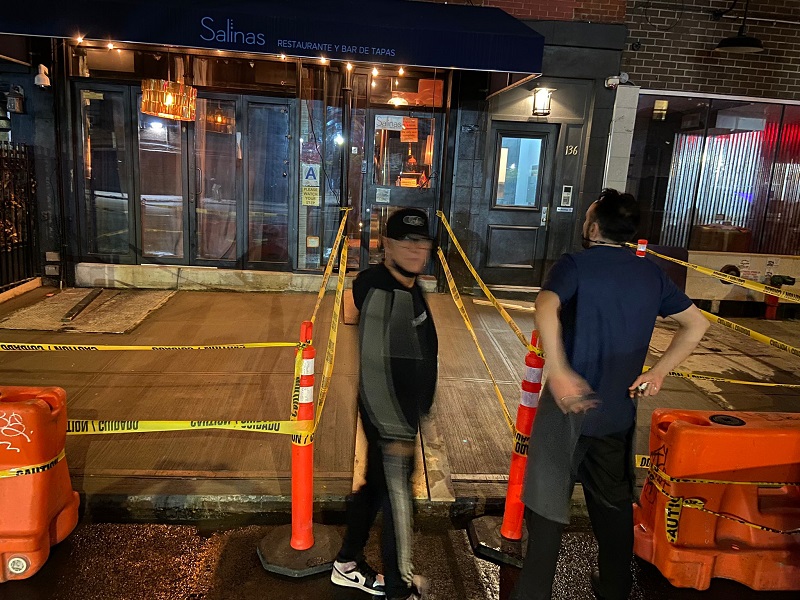
New York City, often dubbed “The Big Apple,” is a bustling metropolis that never sleeps. Its streets and sidewalks are constantly teeming with activity, serving as pathways for millions of residents and visitors alike. However, with such heavy foot traffic and exposure to the elements, NYC’s sidewalks are in constant need of repair and maintenance. In this article, we will explore the significance of NYC sidewalk repair, the challenges it presents, and the solutions to ensure safety and accessibility for all.
The Foundation of the City
Sidewalks are the unsung heroes of any urban landscape, including New York City. They provide a safe and convenient means of transportation for pedestrians, ensuring they can navigate the city with ease. In a city where walking is a primary mode of transit, the condition of sidewalks is paramount to the well-being of its residents.
The Challenges of NYC Sidewalks
Maintaining sidewalks in NYC is no small feat. Several challenges make it an ongoing concern for city officials and property owners:
1. Heavy Foot Traffic
New York City is known for its dense population and bustling streets. The sidewalks bear the brunt of this activity, enduring constant wear and tear. This high foot traffic accelerates the deterioration of sidewalks, leading to cracks, uneven surfaces, and potential hazards for pedestrians.
2. Harsh Weather Conditions
NYC experiences a wide range of weather conditions throughout the year, from scorching summers to freezing winters. These extremes can wreak havoc on sidewalks. The expansion and contraction caused by temperature fluctuations can result in the formation of cracks and potholes.
3. Aging Infrastructure
Many parts of New York City boast historical significance and, consequently, have older infrastructure. These aging sidewalks are more susceptible to damage and require regular repair and maintenance to meet modern safety standards.
4. Legal Obligations
Property owners in New York City are legally responsible for maintaining the sidewalks adjacent to their properties. Failure to do so can result in liability for accidents and injuries caused by neglected sidewalks. This legal obligation places a significant burden on property owners to ensure the safety of pedestrians.
The Consequences of Neglected Sidewalks
Neglected sidewalks in NYC can have severe consequences, both in terms of safety and accessibility:
1. Safety Hazards
Cracked and uneven sidewalks pose a serious risk to pedestrians. Trips and falls can result in injuries ranging from minor cuts and bruises to fractures and head trauma. For the elderly and disabled, such hazards are even more perilous.
2. Accessibility Issues
In a city as diverse as New York, accessibility is a top priority. Sidewalks that are in disrepair can hinder the mobility of individuals with disabilities. Wheelchair users, people with mobility aids, and those with vision impairments may find it challenging to navigate sidewalks with obstacles and hazards.
3. Liability Concerns
Property owners who neglect their sidewalk maintenance responsibilities can find themselves facing legal consequences. Lawsuits stemming from sidewalk-related injuries can lead to significant financial burdens and damage to a property owner’s reputation.
The Role of NYC Sidewalk Repair
Recognizing the importance of sidewalks and the challenges they face, New York City has implemented various initiatives to address sidewalk repair:
1. Regular Inspections
City agencies conduct regular inspections of sidewalks to identify hazards and issues that require repair. These inspections help prioritize repair efforts and ensure that the most critical problems are addressed promptly.
2. Property Owner Responsibility
To share the burden of sidewalk maintenance, property owners are legally obligated to repair and maintain the sidewalks adjacent to their properties. This includes fixing cracks, replacing damaged sections, and ensuring the sidewalks are compliant with accessibility standards.
3. NYC DOT Programs
The New York City Department of Transportation (NYC DOT) has programs in place to assist property owners with sidewalk repair. These programs provide information, guidelines, and even financial assistance to encourage timely repairs and compliance with city regulations.
4. Community Engagement
Engaging with communities and local residents is an essential aspect of NYC sidewalk repair. Encouraging citizens to report sidewalk issues and participating in community-driven initiatives can help identify problem areas and prioritize repairs.
The Future of NYC Sidewalk Repair
As New York City continues to evolve, so do its sidewalk repair strategies. The future of sidewalk repair in NYC may involve innovative approaches to address the challenges it faces:
1. Sustainable Materials
Exploring the use of sustainable materials in sidewalk construction and repair can lead to longer-lasting, environmentally friendly solutions. These materials can withstand the rigors of NYC’s climate and reduce the need for frequent repairs.
2. Smart Infrastructure
The integration of technology into sidewalk infrastructure can aid in early detection of issues. Smart sensors and monitoring systems can alert authorities and property owners to potential hazards, allowing for quicker response times.
3. Accessibility Enhancements
Continued efforts to enhance sidewalk accessibility for all New Yorkers, regardless of their mobility or disability status, will remain a priority. This includes ramp installations, tactile paving, and other accessibility features.
Conclusion
NYC sidewalk repair is a critical aspect of maintaining the city’s infrastructure and ensuring the safety and accessibility of its residents and visitors. The challenges are significant, but with a combination of regular inspections, property owner responsibility, government programs, and community engagement, New York City can continue to thrive as a pedestrian-friendly metropolis. As the city looks to the future, innovative solutions and partnerships will play a vital role in preserving the foundation upon which this iconic city stands – its sidewalks.