
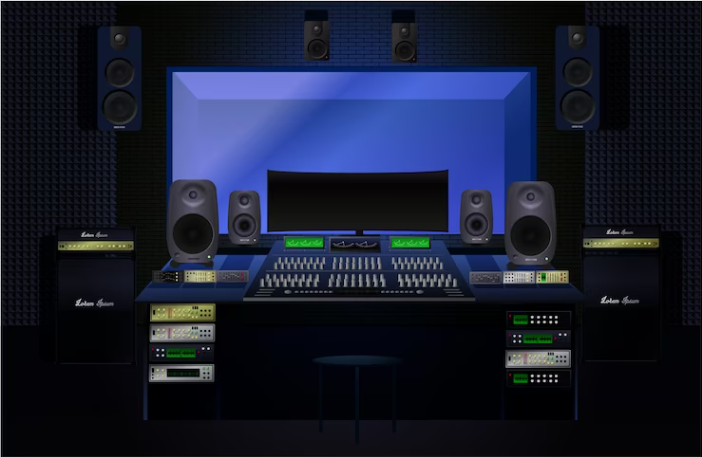
When it comes to creating a professional and acoustically sound home studio, paying attention to the quality of sound within your space is crucial. One of the essential tools for achieving this is the use of studio bass traps. These simple yet effective acoustic treatments can make a significant difference in the sound quality of your recordings and mixes. However, there are some do’s and don’ts to consider when using bass traps in your home studio.
• The Do’s:
1. Placement Matters:
The correct placement of bass traps is vital for their effectiveness. Start by identifying the primary reflection points in your room and place bass traps there. Corners, where low-frequency sound tends to accumulate, are also ideal locations for bass traps.
2. Choose the Right Type:
There are various types of bass traps available, including membrane traps, resonant panel traps, and porous fabric covered absorbers. Select the type that best suits your room’s acoustics and your specific needs. For a home studio, porous fabric covered absorbers are often a good choice as they work well for low frequencies.
3. Use a Combination:
In most cases, using a combination of different types of bass traps can yield the best results. Membrane traps can be used to target very specific frequencies, while fabric covered all broadband porous absorbers can tackle high, mid, and low frequency issues. Generally all broadband bass traps absorb are the best approach for even sound while membrane bass traps can absorb a very specific frequency for a more balanced low end.
4. Proper Installation:
Install your bass traps securely and according to the manufacturer’s instructions. Ensure they are properly mounted with the walls and ceilings to maximize their effectiveness including with an air gap for extended low end absorption. Proper installation will prevent sound leakage and enhance their sound-absorbing capabilities.
5. Regular Maintenance:
Over time, bass traps can accumulate dust and dirt, reducing their efficiency. Make sure to clean and maintain them regularly to ensure they continue to work optimally. This is particularly important in a home environment where dust can accumulate quickly.
• The Don’ts:
1. Overdoing It:
While it’s essential to address acoustic issues, using too many bass traps when liveness is desired in some areas of rooms can lead to an overly dead room when that’s not the goal. It’s important to consider having a balance between absorption and liveness to maintain a desired listening or recording space for the purpose of the room.
2. Ignoring Room Size:
The size of your room matters when selecting and placing bass traps. Smaller rooms may require more strategic placement and possibly a combination of bass trap types to address their unique acoustic challenges.
3. Not Testing and Tweaking:
Once you’ve installed bass traps, it’s essential to test and listen to the changes they’ve made to your room’s acoustics. Don’t assume that placing them is the end of the process. You may need to make further adjustments or add more treatment based on your specific needs.
4. Being Inconsistent:
If you’re using multiple bass traps, make sure they are consistent in terms of size, type, density, and placement. Inconsistencies can lead to uneven sound absorption, which can negatively impact the acoustics of your room.
Wrap-Up:
Studio bass traps, in conjunction with acoustic panels near you, can be a valuable addition to your home studio, significantly improving the quality of your recordings and mixes. However, it’s crucial to use them wisely by following the do’s and avoiding the don’ts. Proper placement, the right type, and a balanced approach to acoustic treatment can make a world of difference in your home studio’s sound quality. So, take your time to understand your room’s acoustics and invest in bass traps that suit your needs for a studio that truly delivers professional results.