
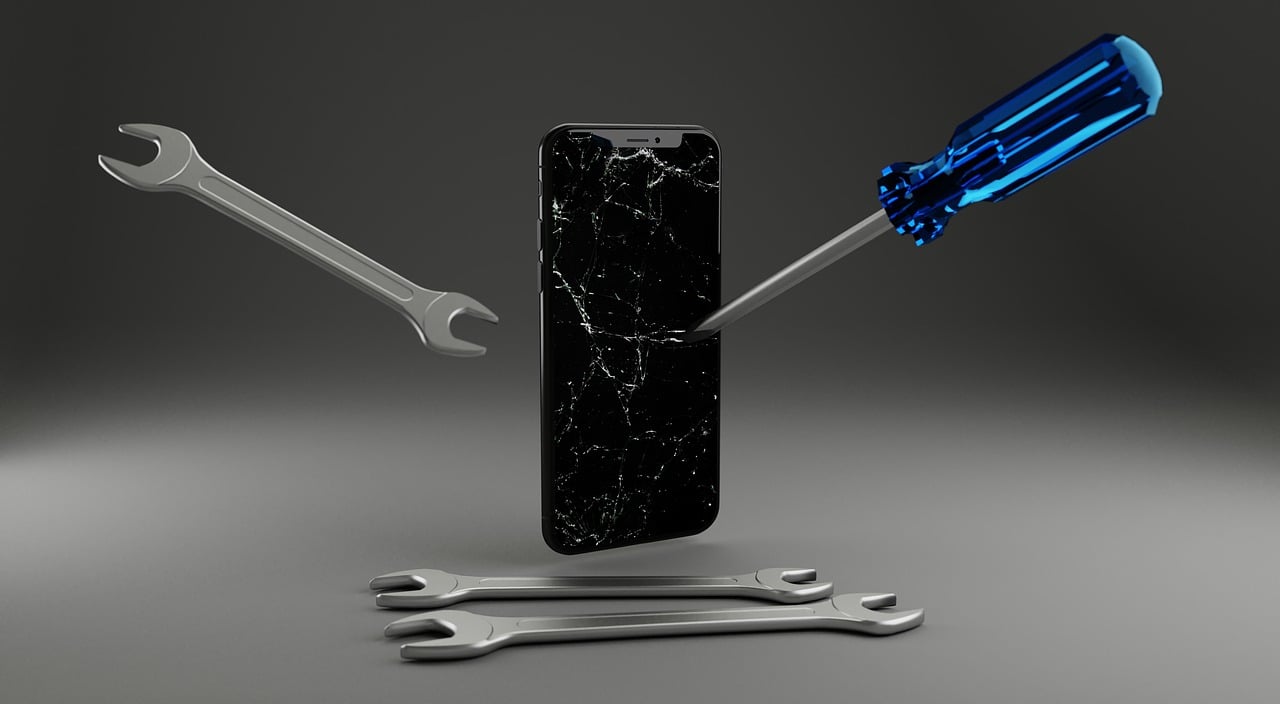
Introduction to Cell Phone Repair
Welcome to the world of cell phone repair! In this ever-advancing digital age, our trusty companions – our beloved smartphones – can often fall victim to unfortunate accidents and mishaps. From cracked screens to water damage, these incidents can leave us feeling frustrated and disconnected from the online world.
But fear not! With a little know-how and some basic tools, you can become your own personal phone superhero. Say goodbye to expensive repairs and lengthy trips to the service center. This step-by-step guide will equip you with the knowledge and skills needed to tackle common cell phone issues head-on.
So grab your toolkit, roll up your sleeves, and let’s dive into the fascinating world of cell phone repair together! Whether you’re a tech enthusiast or simply looking for ways to save money on costly repairs, this guide is here to empower you with everything you need to bring your damaged device back to life. Let’s get started!
Common Types of Damage and How to Identify Them
Cell phones are our constant companions, but they are also prone to damage. From accidental drops to water spills, there are several common types of damage that can occur. Being able to identify these issues is the first step towards finding a solution.
One of the most prevalent forms of cell phone damage is a cracked screen. This can happen when your phone falls from your hand or gets squished in your bag. A cracked screen is easy to spot – you’ll see visible cracks or shattered glass on the display. In some cases, the touch functionality may also be affected.
Another common issue is water damage. Accidentally dropping your phone into a puddle or spilling liquid on it can cause serious problems. Signs of water damage include a non-responsive touchscreen, distorted audio during calls, or noticeable condensation under the screen.
Battery problems are another frequent occurrence in cell phones. If your battery drains quickly even after being fully charged, or if it takes an unusually long time to charge, you might have a faulty battery that needs replacement.
Software glitches and freezing screens are yet another frustrating problem for cell phone users. If your phone suddenly becomes unresponsive or freezes frequently while using certain apps, it could be due to software issues that need troubleshooting.
Physical damages such as bent frames or malfunctioning buttons should not be overlooked either.
By knowing how to identify these common types of cell phone damage, you can take appropriate steps for repair before they worsen. Remember though: always consult professional technicians if you’re unsure about fixing these issues yourself!
Tools Needed for Cell Phone Repair
When it comes to repairing a cell phone, having the right tools is essential. Without them, you’ll find yourself struggling to complete even the simplest of repairs. So, what are the tools needed for cell phone or iPhone repair? Let’s dive in!
1. Screwdrivers: A set of precision screwdrivers with various sizes and types of tips is a must-have for any cell phone repair technician. These will allow you to remove screws from different parts of the phone without causing damage.
2. Tweezers: Fine-tip tweezers are handy for handling small components and delicate cables during repairs. They can help you avoid accidentally dropping or damaging tiny parts.
3. Spudger: This versatile tool is used for prying open cases, disconnecting connectors, and removing adhesive without scratching or damaging the device.
4. Suction cup: A suction cup is useful when replacing a cracked screen or other glass panels on a cell phone. It creates enough suction to lift the panel away from the device so that you can work on it safely.
5. Heat gun or hairdryer: Applying heat can make certain repairs easier by loosening adhesive and making it more pliable.
6. Multimeter: For diagnosing electrical issues, testing batteries, etc.
7. Precision Knife Set: For cutting tape, opening packages, etc
8. Adhesive Tape / Glue: To reattach components back together
These are just some of the basic tools needed for cell phone repair, but as you gain experience and tackle more complex repairs, your tool collection may grow. Remember to always use caution when working with these tools and follow proper safety protocols. With practice and patience, anyone can learn how to successfully repair a cell phone.
Step-by-Step Guide to Repairing a Cracked Screen
Cracking your phone screen is a frustrating experience that many of us have unfortunately encountered. But fear not, because repairing a cracked screen is actually easier than you might think! With just a few tools and some patience, you can have your phone looking as good as new.
First things first, gather all the necessary tools for the job. You’ll need a replacement screen specifically designed for your phone model, a small screwdriver set, tweezers or prying tools, adhesive strips or glue, and a heat gun or hairdryer.
Once you’ve gathered all the tools, it’s time to get down to business. Start by turning off your phone and removing the SIM card tray if applicable. Then carefully remove any screws holding the front panel in place using the appropriate screwdriver.
Next, use the prying tool or tweezers to gently separate the front panel from the rest of the device. Be careful not to apply too much force as this could further damage your screen.
Once you’ve successfully removed the old broken screen, it’s time to install the replacement. Carefully align it with the frame and secure it in place using adhesive strips or glue according to manufacturer instructions.
Reassemble your phone by following these steps in reverse order. Screw back any screws that were removed earlier and insert your SIM card tray if needed. Power on your device and voila! Your cracked screen should now be replaced with a shiny new one!
Troubleshooting Other Common Issues (battery, water damage, etc.)
Battery draining too quickly? Phone not turning on at all? These are common issues that can be frustrating to deal with. But fear not! With a little troubleshooting, you may be able to solve these problems on your own.
Let’s start with the battery issue. First, check if there are any apps or settings draining your battery excessively. Close unnecessary apps and adjust your screen brightness to conserve power. If this doesn’t help, try calibrating your battery by fully charging it and then letting it completely drain before recharging.
Water damage is another common problem that can wreak havoc on your phone. If your phone gets wet, act fast! Immediately turn off the device and remove any protective covers or cases. Wipe away excess moisture and gently dry the phone using a soft cloth or towel.
If possible, remove the battery (if removable) and SIM card. Then place the phone in a bag of uncooked rice or silica gel packets overnight to absorb any remaining moisture.
In some cases, issues like software glitches or hardware malfunctions may require professional assistance from an experienced technician. Don’t hesitate to seek help if needed!
Remember, troubleshooting common cell phone issues requires patience and attention to detail. By following these steps and taking proper care of your device, you’ll increase its lifespan while saving money on repairs down the road.
Stay tuned for our next blog post where we explore valuable resources for learning more about cell phone repair!
Resources for Learning More About Cell Phone Repair
1. Online Forums and Communities: Joining online forums and communities dedicated to cell phone repair can be a valuable resource. These platforms provide a space for enthusiasts, technicians, and experts to share their knowledge, troubleshoot problems, and discuss the latest trends in the industry. You can ask questions, learn from others’ experiences, and stay updated with new techniques.
2. YouTube Tutorials: YouTube is an incredible platform for learning almost anything nowadays, including cell phone repair. Many tech-savvy individuals create detailed video tutorials that guide you through different repair processes step by step. Watching these videos can help you gain practical insights into various repairs while allowing you to visually understand each procedure.
3. Online Courses: If you prefer structured learning with comprehensive lessons and quizzes, consider enrolling in online courses specifically designed for cell phone repair. Several reputable websites offer courses that cover everything from basic repairs to advanced troubleshooting techniques.
4. Manufacturer Websites: Most smartphone manufacturers have dedicated support sections on their websites where they provide guides on how to fix common issues related to their devices. These resources often include official manuals or instructional videos specific to your phone model.
5. Technical eBooks: There are numerous technical eBooks available online that focus on the ins and outs of cell phone repair. These resources delve deeper into topics such as circuit board diagnostics, soldering techniques, component replacement guides, etc., making them ideal references for those seeking more advanced knowledge.
Remember that ongoing education is crucial in this evolving field of technology; therefore continually exploring these resources will keep you updated with the latest developments in cell phone repair techniques!
Conclusion
Repairing a cell phone may seem daunting at first, but with the right tools and knowledge, it can be a manageable task. By following this step-by-step guide, you can confidently tackle common issues like cracked screens and troubleshoot other problems such as water damage or battery issues.
Remember to always start by identifying the type of damage your cell phone has sustained. This will help determine the appropriate repair method and ensure that you have all the necessary tools on hand.
Investing in high-quality tools is crucial for successful cell phone repairs. From screwdrivers and tweezers to adhesive strips and heat guns, having the proper equipment will make your job much easier.
For repairing a cracked screen, take your time and work carefully to avoid causing further damage. Follow each step diligently, from removing screws to disconnecting cables, until you reach the damaged screen. Be sure to consult manufacturer instructions or online tutorials specific to your model for additional guidance.
In addition to screen repairs, it’s essential to troubleshoot other common issues like water damage or battery problems. Understanding how these components function within a cell phone will allow you to diagnose issues accurately and find suitable solutions.
To continue expanding your knowledge on cell phone repair techniques and stay up-to-date with industry advancements, there are numerous resources available online including forums, blogs, tutorial videos, and even specialized courses.
As technology continues to evolve rapidly in our modern age of smartphones, being able to repair them yourself not only saves money but also empowers you with valuable skills that can benefit both yourself and others around you.
So don’t shy away from embracing the basics of cell phone repair! With practice comes confidence – before long; you’ll become adept at troubleshooting various issues that come your way.