
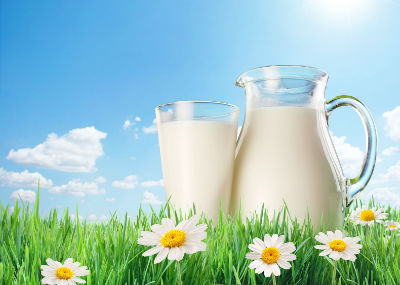
Milk, a staple in many households, is not only delicious but also a nutritional powerhouse. However, ensuring that milk stays fresh for an extended period can sometimes be a challenge. From the moment it leaves the dairy farm to the time it reaches your refrigerator, there are several steps you can take to keep milk fresh for longer.
Understanding the Science of Milk Spoilage
Milk is a highly perishable fresh food due to its composition, which contains water, proteins, fats, and lactose a natural sugar. The two primary factors that contribute to milk spoilage are bacteria and exposure to air and light.
Bacteria: The naturally occurring bacteria in milk can multiply rapidly, leading to souring and spoilage. To extend its freshness, it’s essential to inhibit bacterial growth.
Exposure to Air and Light: Oxidation is another factor in milk spoilage. When milk is exposed to air and light, it can develop off-flavors and even become rancid. Packaging and storage play a crucial role in preventing this.
Tips for Keeping Fresh Milk Fresh
Purchase Fresh Milk:
When shopping for milk, check the expiration date and select a container from the back of the shelf, as these are typically the freshest. Opt for milk that has been stored at the correct temperature in the store.
Store Milk Properly:
The key to extending the freshness of milk is proper storage. Keep your milk in the refrigerator at a temperature of 35-40°F (1.7-4.4°C). Avoid storing it in the door, where temperatures fluctuate more.
Keep Milk Sealed:
Always ensure the milk container is tightly sealed. The original cap or airtight containers can help prevent bacteria from entering and keep the milk fresh longer.
Use a Clean Glass Container:
If you buy milk in bulk, transfer it to a clean glass container with an airtight lid. Glass containers are less porous than plastic, which can help prevent odors and bacteria from infiltrating the milk.
Avoid Light Exposure:
Light can cause milk to spoil faster. Store your milk in an opaque or cardboard container to protect it from light exposure.
Limit Air Exposure:
As you pour milk, do so gently and avoid creating splashes. The more air that comes into contact with milk, the faster it can spoil.
Keep the Fridge Clean:
Regularly clean your refrigerator, especially the areas where you store milk. Spills and spoiled food can release odors and bacteria into the refrigerator.
Consume Milk Promptly:
Fresh milk is best when consumed within 5-7 days after opening. Use a marker to label the container with the date you opened it, so you can keep track of its freshness.
Use a Milk Cooler:
A milk cooler is a dedicated container designed to keep milk at an ideal temperature in your refrigerator. It’s a handy gadget for those who use milk regularly.
Freeze Extra Milk:
If you have more milk than you can use within a week, consider freezing it. Pour milk into a freezer-safe container, leaving some room for expansion, and label it with the date. Thaw it in the refrigerator when you’re ready to use it.
Consume UHT Milk:
Ultra-high-temperature (UHT) pasteurized milk is heated to a higher temperature, which kills more bacteria and extends the shelf life. It doesn’t need refrigeration until opened.
Use Milk Preservatives:
You can find milk preservatives in some stores. These products are added to milk to prolong its freshness, and they can be a helpful option if you tend to struggle with milk spoilage.
Keeping fresh milk is a matter of understanding the factors that contribute to spoilage and implementing proper storage and handling techniques. By following these tips and tricks, you can maximize the freshness and flavor of your milk, reducing waste and ensuring that you always have a supply of this nutritious and versatile beverage on hand. Whether you enjoy milk in your morning coffee, cereal, or as a refreshing drink on its own, these practices will help you make the most of this valuable kitchen staple.