
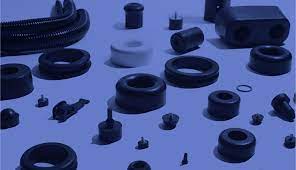
Rubber products play an integral role in numerous industries, from automotive to construction and healthcare. These versatile materials find applications in various forms, including tires, gaskets, seals, hoses, and more. To ensure the seamless availability of rubber products to meet industry demands, a network of distributors has emerged worldwide. In this comprehensive guide, we will explore the world of Rubber Products Distributors their roles, the industries they serve, and the key factors to consider when choosing a distributor.
I. The Role of Rubber Products Distributors
Rubber products distributors are essential intermediaries in the supply chain. Their primary functions include:
-
Sourcing: Distributors connect with rubber manufacturers and suppliers to source a wide range of rubber products. This includes natural rubber, synthetic rubber, and rubber-based products such as molded parts and rubber sheeting.
-
Inventory Management: Distributors maintain large inventories of rubber products to meet the immediate needs of their customers. This ensures that businesses don’t face downtime due to a lack of essential rubber components.
-
Customization: Some distributors offer customization services, allowing customers to request specific rubber product designs or modifications to meet their unique requirements.
-
Distribution and Logistics: Distributors manage the transportation, storage, and delivery of rubber products to their customers. This includes handling both bulk and small orders.
-
Technical Expertise: Knowledgeable distributors provide technical support to their customers, helping them select the right rubber products for their applications and offering guidance on installation and maintenance.
II. Industries Served by Rubber Products Distributors
Rubber products distributors cater to a diverse range of industries, including:
-
Automotive: Rubber components such as tires, gaskets, seals, and hoses are vital in the automotive sector, contributing to safety, performance, and comfort.
-
Construction: In the construction industry, rubber products are used in everything from roofing materials to seals and gaskets for plumbing and HVAC systems.
-
Aerospace: Rubber products, especially those with high-temperature resistance and sealing capabilities, are essential in the aerospace industry for aircraft components and systems.
-
Healthcare: The medical sector relies on rubber products for a wide range of applications, from surgical equipment to pharmaceutical manufacturing.
-
Oil and Gas: Rubber gaskets, seals, and hoses are used extensively in the oil and gas industry, where they must withstand harsh environmental conditions.
-
Electronics: Rubber products are crucial in the electronics industry for insulating, sealing, and protecting sensitive electronic components.
-
Agriculture: Rubber is used in agriculture for various purposes, including tires, conveyor belts, and irrigation systems.
-
Mining: In the mining industry, rubber products are employed for their durability and resistance to abrasion, making them suitable for conveyor belts and protective linings.
-
Marine: Rubber products are used in the marine industry for boat fenders, seals, and gaskets, where they must withstand exposure to saltwater.
-
Sports and Recreation: Rubber is utilized in the production of sporting goods, such as basketballs, playground surfaces, and gym flooring.
III. Key Considerations When Choosing a Rubber Products Distributor
Selecting the right Moulded rubber parts singapore is crucial for ensuring product quality, reliability, and customer satisfaction. Here are some key factors to consider when choosing a distributor:
-
Product Range: Ensure that the distributor offers a wide range of rubber products, including both standard and specialty items, to meet your specific needs.
-
Quality Assurance: Look for distributors that source products from reputable manufacturers and adhere to quality standards and certifications such as ISO 9001.
-
Customization Services: If your industry requires customized rubber products, choose a distributor that offers design and engineering capabilities to meet your unique specifications.
-
Inventory Size and Availability: Check the distributor’s inventory levels to ensure they have the products you need readily available. Quick access to stock is essential to minimize downtime.
-
Technical Support: A distributor with knowledgeable and responsive customer support can help you make informed decisions about product selection, installation, and maintenance.
-
Pricing and Payment Terms: Compare pricing and payment terms from multiple distributors to ensure you’re getting competitive rates and favorable payment options.
-
Delivery and Logistics: Evaluate the distributor’s shipping capabilities, including lead times and delivery options, to ensure timely and efficient product delivery.
-
Location and Distribution Network: Consider the distributor’s proximity to your business to minimize shipping costs and delivery times. Additionally, assess their distribution network for national or international reach if needed.
-
Compliance and Certifications: Confirm that the distributor complies with industry-specific regulations and certifications, especially if you operate in highly regulated sectors like healthcare or aerospace.
-
Customer Reviews and References: Research customer reviews and seek references from other businesses that have worked with the distributor to gauge their reputation and customer satisfaction.
Conclusion
Rubber products distributors play a vital role in ensuring the seamless availability of rubber components across various industries. Their sourcing, inventory management, customization services, and technical expertise make them indispensable intermediaries in the supply chain. To select the right distributor for your business, it’s essential to consider factors such as product range, quality assurance, customization services, inventory availability, technical support, pricing, and logistics capabilities. By making informed decisions and partnering with a reliable distributor, you can ensure a steady supply of high-quality rubber products to meet your industry’s demands.