
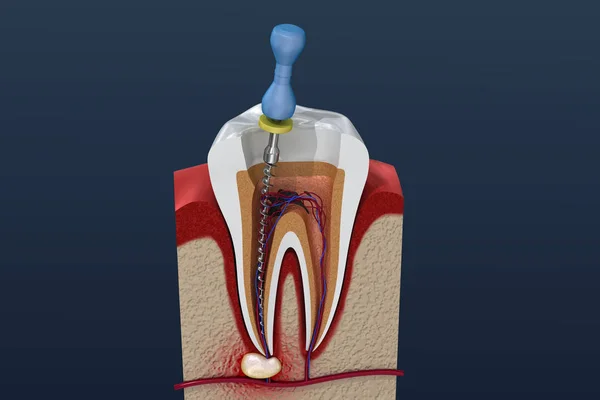
Root canal treatment is a commonly performed dental procedure aimed at saving a severely infected or decayed tooth. However, despite its high success rate, complications can occur. Understanding these complications, recognizing their signs, and managing them effectively are crucial aspects of ensuring dental health post-treatment.
Introduction to Root Canal Complications
Root canal therapy involves removing infected or damaged tissue from within the tooth, disinfecting it, and sealing it to prevent further infection. Despite the meticulous nature of the procedure, complications can arise, causing discomfort and potential risks to oral health.
Identifying Root Canal Complications
Signs and Symptoms
Identifying potential issues early is vital. Persistent pain, swelling, and sensitivity to temperature changes are common signs. Additionally, the emergence of a pimple-like bump on the gums near the treated tooth may indicate an abscess.
Contributing Factors
Complications can arise due to various factors such as the complexity of the root canal system, incomplete removal of infected tissue, or improper sealing, leading to bacterial reinfection.
Types of Root Canal Complications
Infections and Abscesses
Infections can occur if bacteria persist within the treated tooth or surrounding tissues. Abscesses, characterized by pus-filled pockets, can form, leading to severe pain and potential spread of infection.
Nerve Damage
Damage to nerves during the procedure or inflammation afterward can cause persistent pain, tingling, or numbness in the treated tooth or surrounding areas.
Fractured Roots or Instruments
In rare cases, instruments used during the procedure might break inside the tooth or result in root fractures, requiring additional intervention.
Recognizing Early Warning Signs
Pain and Sensitivity
Prolonged or severe pain beyond the initial healing period and heightened sensitivity to temperature changes warrant attention and evaluation by a dental professional.
Swelling and Inflammation
Persistent swelling or inflammation in the gums or face could indicate an underlying problem that requires immediate assessment.
Managing Root Canal Complications
Treatment Options
Treating complications often involves targeted approaches. Antibiotics may be prescribed for infections, while damaged nerves might require specialized treatments like root canal re-treatment or surgery.
Strategies for Fractured Roots
Addressing fractured roots may involve surgical intervention, such as root-end surgery or tooth extraction followed by replacement options like implants or bridges.
Preventing Root Canal Complications
Oral Hygiene Practices
Maintaining good oral hygiene through regular brushing, flossing, and using antimicrobial mouthwashes can prevent complications.
Regular Dental Check-ups
Routine visits to the dentist allow for the early detection of potential issues, enabling prompt intervention and reducing the risk of complications.
Professional Guidance and Post-Procedure Care
Consulting a dentist or an endodontist at the first sign of complications is crucial. Following their instructions for post-treatment care aids in successful recovery.
Conclusion
In conclusion, recognizing, managing, and preventing root canal complications are integral to ensuring the success of the procedure. Vigilance in identifying early warning signs, seeking professional guidance, and maintaining oral health significantly reduces the risks associated with root canal treatment.