
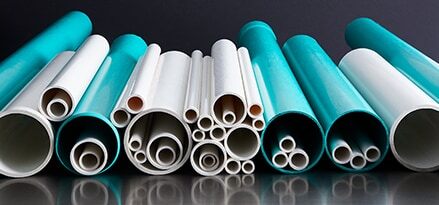
Polyvinyl Chloride, commonly known as PVC, stands as one of the most widely used polymers globally, playing a pivotal role in various industries due to its versatility, durability, and cost-effectiveness. From construction and healthcare to automotive and packaging, PVC’s unique properties have made it a cornerstone material across diverse applications.
Understanding PVC: Composition and Properties
PVC is a synthetic polymer derived from vinyl chloride monomers. Its properties can be tailored through additives and manufacturing processes, resulting in a material known for its:
-
Durability: PVC is highly durable, resistant to abrasion, weathering, and chemical degradation, making it suitable for both indoor and outdoor applications.
-
Versatility: Its adaptability to different forms—rigid or flexible—enables a broad range of applications across various industries.
-
Cost-Effectiveness: PVC is cost-efficient in both production and maintenance, offering a balance between performance and affordability.
Applications Across Industries
-
Construction: Polyvinyl Chloride(PVC) is extensively used in the construction sector for pipes, fittings, window frames, flooring, and siding due to its corrosion resistance, insulation properties, and longevity.
-
Healthcare and Medical Devices: In healthcare, PVC is a vital material for medical tubing, IV bags, blood bags, and other disposable medical devices due to its biocompatibility and sterilization capabilities.
-
Automotive Industry: PVC finds applications in automotive interiors, wiring, and upholstery due to its durability, fire resistance, and flexibility.
-
Packaging and Consumer Goods: Its versatility allows PVC to be used in packaging films, bottles, credit cards, and various consumer goods.
Environmental and Sustainability Considerations
Despite its widespread usage, PVC has faced scrutiny due to environmental concerns:
-
Challenges with Recycling: PVC recycling poses challenges due to its composition and the presence of additives, although advancements in recycling technologies aim to improve PVC’s recyclability.
-
Chlorine Content: The production of PVC involves chlorine, which raises environmental concerns; however, stringent regulations and sustainable practices aim to minimize environmental impact.
Innovations and Advancements
Efforts in the PVC industry focus on sustainability and innovation:
-
Bio-Based PVC: Research into bio-based PVC aims to reduce reliance on fossil fuels by incorporating bio-derived feedstocks in its production.
-
Improved Recycling Technologies: Advancements in recycling technologies aim to enhance the recyclability of PVC and reduce its environmental footprint.
Conclusion
PVC’s versatility and cost-effectiveness have cemented its position as a ubiquitous material in modern industries. While environmental concerns persist, ongoing research, innovation, and a commitment to sustainable practices aim to mitigate these challenges. As industries evolve and technologies advance, the role of PVC continues to adapt, ensuring its relevance in various applications while striving for a more sustainable and environmentally friendly future.
Visit For Complete Reports: Growth Market Reports