
16.00
Normal
0
false
false
false
EN-US
X-NONE
X-NONE
/* Style Definitions */
table.MsoNormalTable
{mso-style-name:”Table Normal”;
mso-tstyle-rowband-size:0;
mso-tstyle-colband-size:0;
mso-style-noshow:yes;
mso-style-priority:99;
mso-style-parent:””;
mso-padding-alt:0in 5.4pt 0in 5.4pt;
mso-para-margin-top:0in;
mso-para-margin-right:0in;
mso-para-margin-bottom:8.0pt;
mso-para-margin-left:0in;
line-height:107%;
mso-pagination:widow-orphan;
font-size:11.0pt;
font-family:”Calibri”,sans-serif;
mso-ascii-font-family:Calibri;
mso-ascii-theme-font:minor-latin;
mso-hansi-font-family:Calibri;
mso-hansi-theme-font:minor-latin;
mso-bidi-font-family:”Times New Roman”;
mso-bidi-theme-font:minor-bidi;}
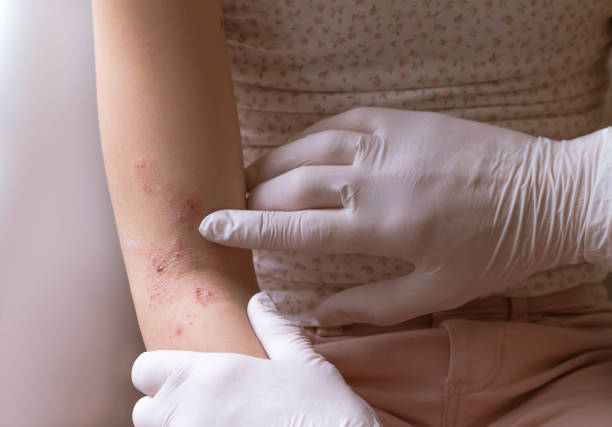
Skin conditions like eczema and psoriasis can be challenging to manage, and while there is no one-size-fits-all solution, dietary changes and antihistamines can play crucial roles in alleviating symptoms. In this article, we’ll explore the best diet for eczema and the most effective antihistamines for psoriasis relief.
The Best Diet for Eczema
Anti-Inflammatory Foods
Eczema is often linked to inflammation within the body. A diet rich in anti-inflammatory foods can help reduce symptoms. Consider incorporating:
- Omega-3 Fatty Acids: Found in fatty fish like salmon and flaxseeds, these can reduce inflammation.
- Antioxidant-Rich Foods: Berries, leafy greens, and nuts can help combat oxidative stress.
Probiotics
Probiotic-rich foods like yogurt, kefir, and sauerkraut can promote gut health. Since there’s a gut-skin connection, improving your digestive system may help alleviate eczema.
Hydration
Staying well-hydrated is essential for healthy skin. Drinking enough water can help maintain skin moisture and reduce dryness.
The Best Antihistamines for Psoriasis Relief
Over-the-Counter Antihistamines
While antihistamines are primarily used to treat allergies, some individuals with psoriasis find relief from itching and inflammation by taking non-drowsy, over-the-counter antihistamines like cetirizine or loratadine. Consult your healthcare provider before use.
Prescription Antihistamines
In some cases, prescription antihistamines may be necessary, especially if psoriasis symptoms are severe. Medications like hydroxyzine can provide more potent relief but should be taken under medical supervision.
Holistic Approach
Both eczema and psoriasis are complex conditions that vary from person to person. While dietary changes and antihistamines may help, it’s important to adopt a holistic approach to managing these skin conditions. Consider the following:
- Consult a Dermatologist: A dermatologist can provide personalized treatment plans and recommend specific dietary changes.
- Allergy Testing: Identifying specific allergens can help you make targeted dietary adjustments.
- Lifestyle Modifications: Reducing stress and avoiding triggers are vital aspects of managing eczema and psoriasis.
Conclusion
Addressing eczema and psoriasis requires a multi-faceted approach that includes the Best Antihistamine For Psoriasis diet for eczema and appropriate antihistamine use. However, it’s essential to consult with a healthcare professional to determine the most suitable strategies for your unique circumstances. The combination of medical advice, dietary changes, and antihistamine use can significantly improve the quality of life for those living with these skin conditions.