
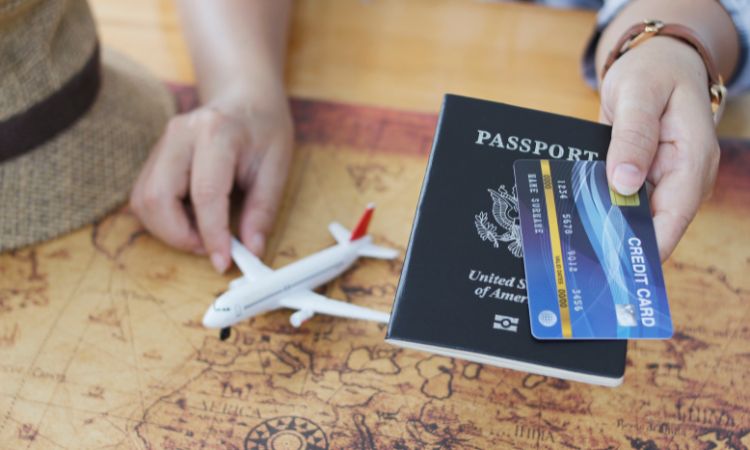
The global travel card market size is on the verge of a significant transformation. According to market analysts, the travel card market size is assessed to grow at a CAGR (Compound Annual Growth Rate) of 6.50% between 2024 and 2032. This rapid expansion is primarily attributed to the growing trend of international travel and the increasing awareness regarding the benefits of travel cards. As travelers embark on journeys across the globe, they are seeking ways to make their trips more cost-effective and enjoyable. Travel cards have emerged as powerful tools for achieving these goals, offering a wide range of rewards, perks, and benefits.
In this comprehensive guide, we will delve into the world of travel cards, exploring the strategies and techniques to maximize travel rewards. Whether you’re a frequent flyer or an occasional traveler, understanding how to make the most of your travel card can make a significant difference in your travel experiences. We’ll cover everything from choosing the right travel card to earning and redeeming rewards, managing your card responsibly, and staying informed about market trends. By the end of this post, you’ll be equipped with the knowledge and insights to unlock the full potential of your travel card and embark on unforgettable journeys.
I. Types of Travel Card Rewards
Before we dive into the nitty-gritty of maximizing travel rewards, it’s essential to understand the various types of rewards offered by travel cards:
A. Points: Many travel cards offer points as rewards for spending. These points can be redeemed for various travel-related expenses, such as flights, hotels, rental cars, and more.
B. Miles: Some cards provide miles that can be used for airfare purchases. These miles can often be transferred to airline loyalty programs for added flexibility.
C. Cashback: While not exclusive to travel cards, cashback rewards can still be used to offset travel expenses. Some cards offer higher cashback rates for travel-related purchases.
D. Statement Credits: Travel cards may also offer statement credits for travel expenses, effectively reducing your overall travel costs.
Understanding the different reward types and their nuances is crucial when deciding which travel card aligns best with your travel goals and spending habits.
II. Choosing the Right Travel Card
One of the foundational steps in maximizing travel rewards is selecting the right travel card. Your choice of card will significantly impact the rewards you can earn and the benefits you can enjoy. Here’s how to go about it:
A. Assess Your Travel Goals: Start by defining your travel goals. Do you primarily want to save on flights, enjoy luxury hotel stays, or have access to exclusive airport lounges? Knowing your objectives will help you narrow down your options.
B. Research Available Cards: Take the time to research and compare different travel cards available in the market. Look for cards that align with your goals and offer rewards in the areas that matter most to you.
C. Consider Annual Fees: Many travel cards come with annual fees. Evaluate whether the rewards and benefits outweigh these fees. In some cases, premium cards with higher fees can provide substantial value.
D. Check Interest Rates and Foreign Transaction Fees: If you plan to carry a balance on your card or use it abroad, pay attention to the interest rates and foreign transaction fees associated with the card.
E. Read Reviews and Seek Recommendations: Reading reviews from other cardholders and seeking recommendations from trusted sources can provide valuable insights into the pros and cons of specific cards.
F. Utilize Comparison Tools: There are various online tools and calculators that can help you compare travel cards based on your spending habits and travel preferences.
Ultimately, the goal is to find a travel card that aligns with your travel goals, offers generous rewards, and provides valuable benefits that justify its annual fee.
III. Earning Travel Rewards
Once you’ve chosen the right travel card, it’s time to start earning rewards. Travel cards typically offer several avenues for accumulating points, miles, or cashback:
A. Everyday Spending: Your travel card can be your go-to payment method for everyday expenses, including groceries, dining, shopping, and more. Be strategic about using your card for these purchases to maximize rewards.
B. Bonus Categories: Many travel cards feature bonus categories that offer higher rewards for specific types of spending. For example, you might earn extra points for purchases related to travel, dining, or gas.
C. Sign-Up Bonuses: Most travel cards offer sign-up bonuses to new cardholders who meet a minimum spending requirement within the first few months. These bonuses can be a significant boost to your rewards balance.
To illustrate the power of earning travel rewards through everyday spending, consider the following scenario:
Case Study: Jane’s Journey to Earning Free Flights
Jane, a frequent traveler, decided to make the most of her travel card to earn free flights. She chose a travel card that offers 2x points for every dollar spent on dining and travel-related expenses, and 1x point for all other purchases.
Over the course of a year, Jane spent $8,000 on dining and $10,000 on travel expenses (flights, hotels, and rental cars). She also spent $12,000 on other everyday expenses.
Here’s how Jane’s points earnings break down:
- Dining: $8,000 x 2x points = 16,000 points
- Travel: $10,000 x 2x points = 20,000 points
- Everyday Spending: $12,000 x 1x point = 12,000 points
In total, Jane earned 48,000 points in a year. With her travel card’s redemption options, she can use these points to book flights, effectively reducing her travel costs.
This case study demonstrates how strategic spending can lead to substantial rewards over time. By making her travel card her primary payment method for dining and travel expenses, Jane was able to earn points quickly and efficiently.
IV. Redeeming Travel Rewards
Earning rewards is just one part of the equation; redeeming them effectively is equally important. Here’s how to make the most of your accumulated travel rewards:
A. Understanding Redemption Options: Different travel cards offer various redemption options. It’s essential to understand how you can use your rewards, whether it’s for booking flights, hotels, rental cars, or other travel-related expenses.
B. Finding the Best Redemption Value: Not all redemption options are created equal. Some travel cards offer better value when redeeming points or miles for specific expenses. Explore your card’s redemption portal to find the best deals.
C. Transferring Points or Miles: Some travel cards allow you to transfer your points or miles to airline or hotel loyalty programs. This can provide additional flexibility and potentially enhance the value of your rewards.
D. Timing Your Redemptions: Keep an eye on promotions or discounts offered by your travel card’s redemption partners. Timing your redemptions during these periods can lead to significant savings.
To illustrate the importance of effective redemption, let’s consider the following example:
Case Study: Max’s Memorable Vacation
Max, an avid traveler, accumulated 80,000 points through his travel card over the past year. He was planning a dream vacation to Europe and wanted to make the most of his rewards.
Max explored his card’s redemption options and discovered that he could use his points to book flights through the card’s travel portal or transfer them to an airline loyalty program. After careful research, he found that transferring his points to an airline partner would yield the best value.
By transferring 60,000 of his points to the airline’s frequent flyer program, Max was able to book round-trip business class tickets to Europe, a value of $3,000 per ticket. Additionally, he used the remaining 20,000 points to cover hotel expenses during his trip.
In this case, Max’s strategic approach to redemption allowed him to enjoy a luxurious European vacation at a fraction of the cost. By understanding his card’s redemption options and maximizing their value, he made his travel rewards work for him.
V. Travel Card Perks and Benefits
Travel cards often come with a range of perks and benefits that can enhance your travel experience. While these perks can vary from card to card, here are some common ones to look out for:
A. Travel Insurance: Many travel cards offer various types of travel insurance, including trip cancellation and interruption insurance, rental car insurance, and baggage delay coverage. Knowing the extent of your coverage can save you money and provide peace of mind while traveling.
B. Airport Lounge Access: Premium travel cards often grant access to airport lounges, where you can relax, enjoy complimentary snacks and drinks, and access Wi-Fi before your flight.
C. Global Entry or TSA PreCheck Fee Credits: Some cards offer reimbursement for the application fees for Global Entry or TSA PreCheck, programs that expedite security and customs processes when traveling internationally.
D. No Foreign Transaction Fees: If you frequently travel abroad, a travel card that doesn’t charge foreign transaction fees can save you a significant amount of money on international purchases.
E. Concierge Services: Certain travel cards provide access to concierge services that can assist with travel planning, reservations, and recommendations.
Understanding and utilizing these perks can significantly enhance your travel experience while saving you time and money. Make sure to review your travel card’s terms and conditions to take full advantage of these benefits.
VI. Managing Your Travel Card Responsibly
While travel cards offer numerous advantages, it’s crucial to manage your card responsibly to avoid debt and interest charges. Here are some tips for responsible card management:
A. Pay Your Balance in Full: Whenever possible, pay your credit card balance in full each month to avoid accruing interest charges. This is especially important with travel cards, as their interest rates can be relatively high.
B. Set Up Auto-Payments: To ensure you never miss a payment and incur late fees, consider setting up automatic payments for at least the minimum amount due.
C. Track Your Spending: Keep a close eye on your spending to avoid exceeding your budget or credit limit. Many travel card apps and websites offer spending tracking tools.
D. Monitor Your Credit Score: Regularly check your credit score to ensure it remains healthy. Responsible credit card usage can positively impact your credit score over time.
E. Use Alerts and Notifications: Enable account alerts and notifications to receive updates on your card’s activity, including transactions and due dates.
VII. Case Studies and Success Stories
To further illustrate the power of maximizing travel rewards, let’s explore a couple of real-life case studies:
Case Study 1: Sarah’s Family Adventure
Sarah, a mother of two, wanted to take her family on a memorable vacation to Disney World. She carefully selected a travel card that offered cashback rewards and had a sign-up bonus that could help cover some of the trip’s expenses.
Over the course of a year, Sarah used her travel card for everyday spending, including groceries, gas, and dining. By the time she was ready to book the Disney World vacation, she had accumulated enough cashback rewards to cover the cost of theme park tickets and accommodations.
Additionally, Sarah utilized her card’s sign-up bonus to purchase airline tickets for her family, effectively reducing the overall cost of the trip. Her strategic approach to using her travel card allowed her to create lasting memories with her family without breaking the bank.
Case Study 2: David’s Business Travels
David, a frequent business traveler, chose a travel card that offered points for every dollar spent on flights and hotels. As a consultant, he often traveled to client meetings across the country.
David made sure to use his travel card for all business-related expenses, from airfare and hotel stays to meals and transportation. Over the course of the year, he earned a substantial number of points.
When it came time for a well-deserved vacation, David used his accumulated points to book a luxury hotel and first-class flights to his dream destination, Bali. His diligent use of the travel card not only made his business trips more rewarding but also allowed him to enjoy a lavish vacation at a fraction of the cost.
These case studies highlight how individuals can leverage their travel cards to achieve their travel goals, whether it’s a family vacation to Disney World or a luxurious getaway to a tropical paradise.
VIII. Staying Informed and Adapting
The world of travel cards is dynamic, with new offers, benefits, and changes happening regularly. To ensure you continue maximizing your travel rewards, it’s essential to stay informed and adapt to evolving trends:
A. Keep an Eye on Market Trends: Stay updated on the latest trends and developments in the travel card market. New cards with exciting features and partnerships are constantly emerging.
B. Review Your Card’s Terms: Periodically review the terms and conditions of your travel card to understand any changes in rewards, benefits, or fees.
C. Explore Additional Cards: As your travel habits and goals change, consider whether additional travel cards might complement your existing card and provide additional benefits.
D. Take Advantage of Promotions: Keep an eye out for promotions and limited-time offers from your card issuer or partner airlines and hotels. These promotions can provide extra value.
E. Join Online Communities: Engage with online communities and forums dedicated to travel hacking and credit card rewards. These communities often share valuable insights and strategies.
F. Utilize Cardholder Resources: Take advantage of resources provided by your card issuer, such as webinars, guides, and customer support, to maximize your card’s benefits.
By staying informed and adapting your strategy, you can continue to make the most of your travel card and enjoy the perks and rewards it offers.
Conclusion
The global travel card market is experiencing rapid growth, fueled by the increasing popularity of international travel and the awareness of the benefits of travel cards. As travelers, we have the opportunity to leverage these cards to make our journeys more affordable and enjoyable.
In this comprehensive guide, we’ve explored the key strategies and techniques for maximizing travel rewards with your travel card. From choosing the right card to earning and redeeming rewards, managing your card responsibly, and staying informed about market trends, we’ve covered all the essential aspects.
Remember that the journey to maximizing travel rewards is a continuous one. By applying the knowledge and insights shared in this guide, you’ll be well-equipped to unlock the full potential of your travel card and embark on unforgettable adventures around the world. Whether it’s a family vacation, a business trip, or a personal getaway, your travel card can be your most valuable travel companion, helping you create lasting memories without breaking the bank. Safe travels and happy adventures!