
When it comes to vehicle safety and performance, few components are as crucial as your headlamps and tail lamps. These lighting elements play a pivotal role in ensuring visibility on the road, thereby enhancing safety. But when it comes to choosing the right bulbs for your car, you’re faced with a significant decision: LED (Light Emitting Diode) or halogen?
In this blog post, we’ll delve into the battle of the bulbs, comparing LED and halogen technologies for headlamps and tail lamps.
Halogen Bulbs: The Traditional Choice
For many years, halogen bulbs have been the standard choice for headlamps and tail lamps. They are tried and tested, providing adequate brightness for most driving conditions. Halogen bulbs are known for their affordability and widespread availability, making them a common choice for older vehicle models and budget-conscious consumers.
The Rise of LED Technology
In recent years, LED technology has emerged as a game-changer in the automotive lighting industry. LED bulbs have gained popularity due to their efficiency, longevity, and brightness. They have rapidly become the lighting solution of choice for modern vehicles. Now, let’s dig into the LED vs. halogen showdown:2016 Honda Accord radiator
Brightness and Visibility
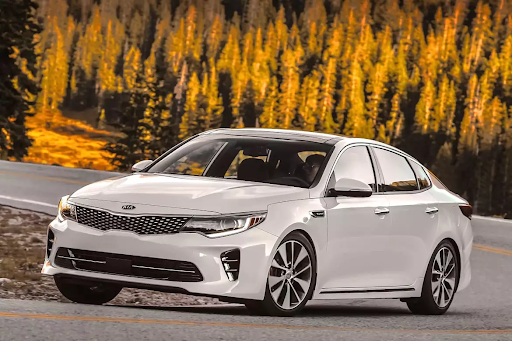
One of the most significant advantages of LED bulbs is their brightness. LEDs are known for providing intense, clear illumination. This brightness enhances visibility, making it easier for the driver to see the road and any potential obstacles. In comparison, halogen bulbs may seem dimmer, particularly in adverse weather conditions. For 2017 Kia Optima headlights, the improved brightness of LED bulbs can significantly enhance your night driving experience.
Energy Efficiency
LED bulbs are highly energy-efficient, consuming significantly less power compared to halogen bulbs. This efficiency can result in fuel savings, making LED-equipped vehicles more environmentally friendly and economical to operate. Additionally, the reduced strain on the vehicle’s electrical system is another advantage of LED bulbs, potentially prolonging the lifespan of electrical components.
Longevity and Durability
When it comes to longevity, LED bulbs outshine their halogen counterparts. LED bulbs have an extended lifespan, often lasting up to 25,000 hours or more. This longevity means less frequent replacement, saving you both time and money in the long run. LEDs are also more durable, as they are resistant to vibrations and shocks. This durability is particularly essential for headlamps and tail lamps, which may encounter road imperfections and jolts.
Heat Emission and Safety
Halogen bulbs emit a substantial amount of heat during operation, which can lead to safety hazards. Overheating can pose a fire risk and may cause damage to surrounding components. In contrast, LED bulbs generate minimal heat, reducing the risk of such safety concerns. LED headlamps and tail lamps are known for their safety advantages, making them an ideal choice for the 2017 Kia Optima.
Aesthetics and Customization
LED bulbs are not only efficient but also visually appealing. Their modern and sleek appearance adds to the overall aesthetics of your vehicle. LED technology offers customization options, allowing you to choose from various color options to enhance your car’s look. These customization possibilities can make your 2017 Kia Optima truly stand out on the road.
Maintenance and Cost
While the initial cost of purchasing LED bulbs may be higher than halogens, their long-term cost-effectiveness is evident. With their extended lifespan, you’ll spend less on replacement bulbs over time. Additionally, the energy efficiency of LEDs results in reduced fuel consumption, which can lead to savings in the long run.
Fitment and Compatibility
Before making the switch to LED bulbs, it’s essential to consider fitment and compatibility with your specific vehicle model, such as the 2017 Kia Optima. Ensuring that the LED bulbs you choose are designed to fit your vehicle is crucial. This is where fitment information plays a vital role, helping you select the right bulbs with confidence. Our website is committed to providing accurate fitment information, making the selection process hassle-free.
Making the Right Choice
In the battle of LED vs. halogen bulbs, the choice ultimately depends on your needs and preferences. For the 2017 Kia Optima headlights, the benefits of LED bulbs are clear. Their brightness, efficiency, longevity, and safety advantages make them a compelling option. However, it’s essential to consider compatibility, budget, and your specific driving conditions when making a decision. By taking these factors into account, you can choose the bulbs that best suit your vehicle and enhance your driving experience.
Concluding Thoughts
The battle of the bulbs for headlamps and tail lamps comes down to LED vs. halogen. LED bulbs offer numerous advantages, particularly in terms of brightness, energy efficiency, longevity, and safety. When considering the 2017 Kia Optima headlights, the improved visibility and safety of LED bulbs make them a top choice. However, it’s crucial to make an informed decision based on compatibility, budget, and individual preferences.
Explore the Stage Auto Body Parts website to discover a wide range of LED and halogen bulbs for headlamps and tail lamps. We are dedicated to helping you make the right choice for your vehicle’s lighting needs.