
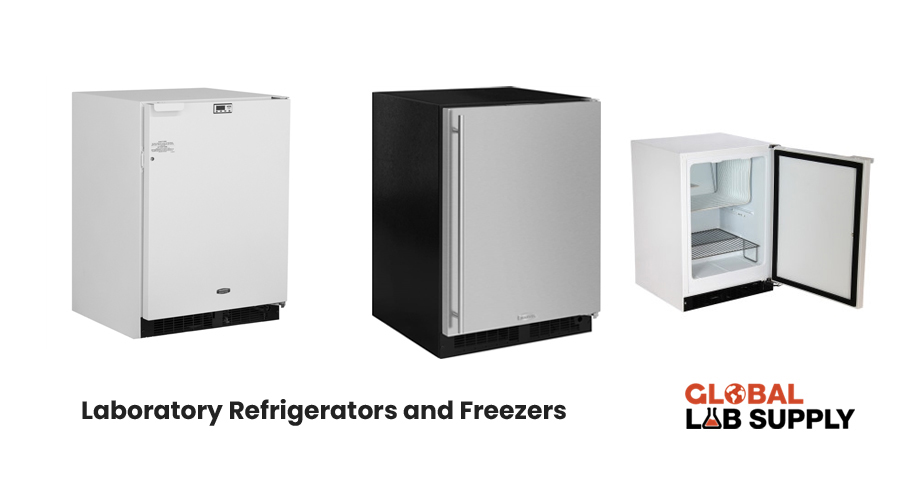
Laboratory freezers are indispensable tools in scientific research and healthcare settings. They play a crucial role in preserving temperature-sensitive samples, reagents, and vaccines. Whether you’re working in a research laboratory, clinical facility, or pharmaceutical company, choosing the right laboratory freezer is essential for maintaining sample integrity and ensuring the success of your experiments or medical procedures.
In this comprehensive guide provided by Global Lab Supply, we will delve into the world of laboratory freezers, discussing their types, key features, maintenance tips, and how to select the perfect freezer for your specific needs.
Types of Laboratory Freezers
Laboratory freezers come in various types, each designed to meet specific temperature and storage requirements. Here are the most common types:
Upright Freezers
Upright freezers are similar in appearance to residential refrigerators, with a front-opening door. They are ideal for laboratories where space is limited as they occupy less floor space compared to chest freezers. Upright freezers offer excellent organization with adjustable shelves and compartments, making it easy to access samples quickly.
Chest Freezers
Chest freezers have a top-opening lid and offer larger storage capacities than upright freezers. They are well-suited for long-term storage of bulk samples or larger containers. Chest freezers tend to be more energy-efficient and maintain temperatures well, even during power outages, due to their top insulation.
Ultra-Low Temperature Freezers (ULT Freezers)
ULT freezers are designed for extremely low temperatures, typically ranging from -40°C to -86°C. They are crucial for preserving highly temperature-sensitive materials such as enzymes, vaccines, and certain biological samples. ULT freezers often come with advanced features like microprocessor controls and alarms to ensure precise temperature management.
Undercounter Freezers
Undercounter freezers are compact and fit conveniently under laboratory countertops. They are suitable for laboratories with limited space or when you need quick access to frequently used samples. These freezers are available in both upright and chest configurations.
Flammable Material Freezers
For laboratories dealing with flammable materials or solvents, specialized flammable material freezers are a must. These freezers are designed with explosion-proof interiors and compressors to prevent potential hazards.
Refrigerator-Freezers
Refrigerator-freezers combine refrigeration and freezing capabilities in one unit. They are ideal for storing samples that require a range of temperatures. These units are often used in clinical laboratories and hospitals for storing vaccines and medications.
Key Features to Consider
When selecting a laboratory freezer, several key features should be on your radar to ensure the unit meets your specific needs:
Temperature Range and Stability
The temperature range should match your storage requirements. Ensure the freezer maintains a stable temperature to prevent sample degradation. Advanced temperature control systems with alarms are invaluable for maintaining precise conditions.
Capacity
Choose a freezer with adequate capacity to accommodate your current needs and future growth. Overcrowded freezers can hinder air circulation and temperature uniformity, affecting sample integrity.
Energy Efficiency
Look for Energy Star-rated models or those with energy-efficient features to reduce operational costs and minimize your laboratory’s carbon footprint.
Security
Consider the security features, including locks, access controls, and alarms. These are vital for safeguarding valuable and sensitive samples, as well as meeting regulatory compliance.
Temperature Monitoring and Alarms
Laboratory freezers should come equipped with temperature monitoring systems and audible/visual alarms. These features provide real-time alerts in case of temperature deviations, helping you respond promptly to protect your samples.
Shelving and Interior Design
Adjustable shelving and well-designed interiors can optimize storage space and facilitate organization. Some freezers offer sliding or pull-out drawers for easier access to samples.
Defrosting Options
Manual or automatic defrosting options are available. Automatic defrosting minimizes downtime and prevents the build-up of ice within the freezer.
Selecting the Right Laboratory Freezer
Choosing the right laboratory freezer requires careful consideration of your specific needs and laboratory environment. Here’s a step-by-step guide to help you make an informed decision:
Assess Your Storage Needs
Determine the type and quantity of samples you need to store. Are they temperature-sensitive? Do you need multiple compartments for different sample types? Understanding your storage needs is the first step.
Evaluate Available Space
Measure the available space in your laboratory to ensure the chosen freezer will fit comfortably. Consider factors like door clearance and accessibility.
Temperature Requirements
Identify the temperature range your samples require. Different freezers are designed for different temperature ranges, so ensure the unit you select can meet your specific needs.
Energy Efficiency
Take into account your laboratory’s energy efficiency goals. An energy-efficient freezer can save on operational costs and reduce environmental impact.
Security and Compliance
Consider the security features required for your samples and compliance with industry or regulatory standards. This is particularly important if you are storing sensitive or regulated materials.
Budget
While cost is a factor, it should not be the sole determinant. Invest in a high-quality freezer that meets your needs and offers reliability and durability. Keep in mind that ongoing operational costs, such as energy consumption, also affect your budget in the long run.
Brand Reputation
Choose reputable brands and suppliers known for their quality, customer support, and warranty options. A reliable supplier can provide guidance, maintenance, and repairs when needed.
Maintenance Tips for Laboratory Freezers
Proper maintenance is essential to ensure your laboratory freezer functions optimally and continues to protect your valuable samples. Here are some maintenance tips to keep in mind:
Regular Cleaning
Clean the interior of the freezer regularly to remove dust, debris, and potential contaminants. Use a mild disinfectant and ensure the freezer is thoroughly dry before restocking.
Temperature Monitoring
Continuously monitor the freezer’s temperature using built-in monitoring systems or external data loggers. Calibrate temperature sensors periodically to maintain accuracy.
Defrosting
If you have a manual defrost freezer, schedule regular defrosting to prevent ice buildup. Automatic defrost freezers do not require this step.
Organization
Keep samples well-organized and labeled to minimize the time the freezer door is open. This helps maintain a consistent internal temperature.
Ventilation
Ensure the freezer has adequate ventilation space around it to allow for proper airflow and heat dissipation.
Routine Inspections
Regularly inspect the freezer’s door seals, hinges, and gaskets for wear and tear. Damaged seals can lead to temperature fluctuations.
Emergency Backup
Have a contingency plan in case of power outages or freezer failures. This may include backup power sources or alternate storage options.
Professional Servicing
Schedule routine servicing and maintenance by qualified technicians to address any potential issues before they become major problems.
By following these maintenance tips, you can extend the lifespan of your laboratory freezer and ensure the safety and integrity of your samples.
Conclusion
Laboratory freezers are indispensable tools in scientific research and healthcare, playing a critical role in preserving temperature-sensitive samples and materials. Selecting the right laboratory freezer involves assessing your storage needs, considering temperature requirements, energy efficiency, and security features, and aligning your choice with your laboratory’s budget and available space. Proper maintenance is equally important to ensure the longevity and reliability of your freezer.
At Global Lab Supply, we offer a wide range of laboratory freezers to meet your specific requirements. Our expert team can provide guidance on selecting the perfect freezer for your needs and offer ongoing support to keep it in optimal condition. Make the right choice in laboratory freezers today, and safeguard your valuable samples for tomorrow’s breakthroughs.