
Meta Description:
Discover the ideal frequency for scheduling professional facial sessions to maintain healthy, radiant skin. Learn about the benefits, considerations, and answers to common questions in this comprehensive guide.
Introduction
A professional facial is a luxurious and effective way to pamper your skin while addressing various skincare concerns. Whether you want to combat signs of ageing, manage acne, or simply maintain a healthy complexion, scheduling regular facial sessions can make a significant difference in your skincare routine. But how often should you indulge in these treatments to maximise their benefits? In this comprehensive guide, we’ll explore the ideal frequency for professional facial sessions, taking into account various factors, benefits, considerations, and common questions.
The Benefits of Professional Facials
Before delving into the ideal scheduling frequency, let’s first understand why professional facials are worth considering:
Deep Cleansing: Facials include thorough cleansing, exfoliation, and extractions, which help remove dirt, oil, and dead skin cells, preventing clogged pores and breakouts.
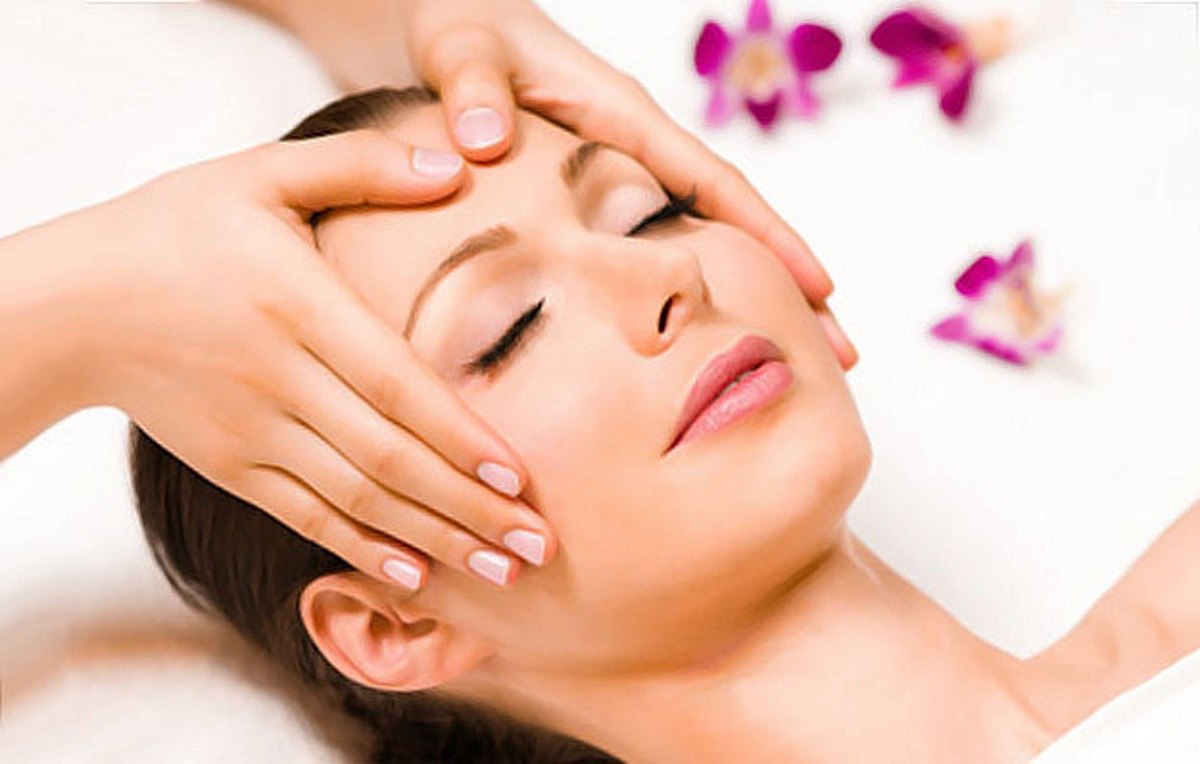
Improved Blood Circulation: Facial massages stimulate blood circulation, promoting a healthy, natural glow and facilitating the delivery of nutrients to skin cells.
Skin Rejuvenation: Various facial treatments can target specific skin issues, such as fine lines, wrinkles, hyperpigmentation, and uneven texture, leading to improved skin tone and texture.
Stress Relief: The relaxing environment of a spa or skincare clinic offers stress relief, which can indirectly benefit your skin by reducing stress-induced breakouts.
Professional Expertise: Licensed estheticians can assess your skin’s condition and recommend tailored treatments, ensuring your skin gets the care it needs.
Now that we’ve established the benefits of professional facials, let’s delve into the recommended scheduling frequency.
How Often Should You Schedule Professional Facial Sessions?
The ideal frequency for professional facial sessions can vary depending on your skin type, concerns, budget, and personal preferences. Here are some general guidelines to help you determine how often you should schedule these sessions:
Monthly Facials: Many skin care professionals recommend getting a facial once a month. Monthly facials help maintain your skin’s health by addressing any issues that may have developed in the previous weeks. This frequency is suitable for individuals with normal to dry skin or those seeking to maintain a consistent skincare routine.
Bi-Monthly (Every Two Months): If you have combination skin or fewer specific concerns, you can opt for a facial every two months. This frequency allows you to reap the benefits of professional skincare while being mindful of your budget and time.
Seasonal Facials: Some individuals prefer to schedule facials with the changing seasons. This can be an excellent approach if you experience seasonal skin changes or want to target specific issues that arise during certain times of the year.
Before Special Occasions: If you have a special event like a wedding, graduation, or a big presentation, consider scheduling a facial a week or two before the event. This can give your skin a radiant and refreshed appearance.
As-Needed Basis: For those with very sensitive skin or specific skin concerns, scheduling facials on an as-needed basis may be suitable. This approach allows you to consult with your esthetician when issues arise.
Consult with a Professional: Ultimately, it’s crucial to consult with a licensed esthetician or dermatologist to determine the best scheduling frequency based on your unique skin type and concerns.
Factors to Consider
When deciding how often to schedule professional facials, consider the following factors:
Skin Type: Your skin type plays a significant role in determining how often you should get facials. Oily or acne-prone skin may benefit from more frequent sessions, while those with dry or sensitive skin may need less frequent treatments.
Age: Age can affect the frequency of facials. Younger individuals may not require as many facials as those in their 30s or beyond who may want to target signs of aging.
Budget: Professional facials can be an investment. Consider your budget when determining how often you can comfortably schedule sessions.
Skincare Goals: Your skincare goals also impact the frequency. If you’re aiming for significant improvements or addressing specific concerns, more frequent sessions may be necessary.
Skincare Products: The products you use at home can complement professional facials. Discuss your skincare routine with your esthetician to ensure it aligns with your treatment frequency.
Lifestyle: Your lifestyle can influence how often you can realistically schedule facials. Factors such as work commitments, travel, and family responsibilities should be considered.

Conclusion
Professional facials offer numerous benefits for maintaining healthy, radiant skin. The ideal frequency for scheduling these sessions varies from person to person, depending on individual factors like skin type, age, budget, and skincare goals. While some may benefit from monthly facials, others may find bi-monthly or seasonal treatments more suitable. It’s essential to consult with a licensed esthetician or dermatologist to determine the best scheduling frequency tailored to your unique needs.
Remember that professional facials are just one part of a comprehensive skincare routine. Proper daily skin care practices, including cleansing, moisturising, sun protection, and a healthy diet, also contribute significantly to achieving and maintaining beautiful skin. By combining professional facials with a consistent at-home skincare regimen, you can enjoy the best of both worlds: expert care and self-care for your skin.
FAQs (Frequently Asked Questions)
1. Are professional facials suitable for all skin types?
Yes, professional facials can be tailored to suit various skin types, including oily, dry, sensitive, and combination skin. Your esthetician will assess your skin’s needs and choose the appropriate treatments and products accordingly.
2. Can I get a facial if I have acne?
Absolutely. In fact, facials can be beneficial for individuals with acne-prone skin. Estheticians can perform extractions and use products specifically designed to treat and manage acne.
3. How long does a typical facial session last?
A standard facial session typically lasts between 60 to 90 minutes, depending on the treatments and additional services included. Consult with your esthetician to determine the duration of your facial.
4. Can I wear makeup immediately after a facial?
It’s best to avoid wearing makeup immediately after a facial to allow your skin to breathe and fully absorb the skincare products applied during the treatment. Your esthetician will advise you on post-facial care.
5. Are there any side effects or risks associated with professional facials?
While professional facials are generally safe, some individuals may experience temporary redness, sensitivity, or mild breakouts after a facial. These side effects are usually short-lived and can be minimised by following post-facial care instructions provided by your esthetician.
6. How can I maintain the results of my professional facials between sessions?
To maintain the results of your facials, follow a consistent at-home skincare routine that includes cleansing, moisturising, and sun protection. Use products recommended by your esthetician, and avoid harsh or irritating skincare ingredients.
7. Can I schedule a facial if I’m pregnant?
Many facials are safe for pregnant individuals, but it’s essential to inform your esthetician about your pregnancy to ensure that suitable products and treatments are used. Some treatments, such as chemical peels, may not be recommended during