
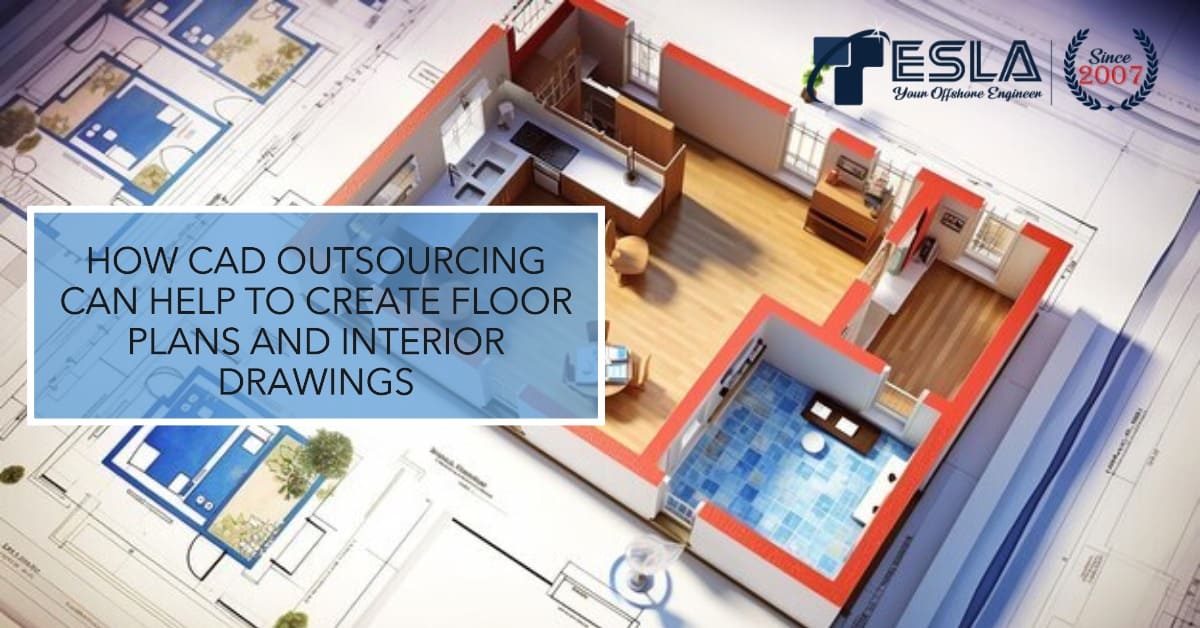
In the construction landscape, the blueprint serves as the foundational element in constructing any building. A well-crafted floor plan not only serves as the blueprint for spatial organization but also dictates the aesthetic and functional aspects of interiors. In this context, precision in design is non-negotiable, and the instrumental role of Computer-Aided Design (CAD) cannot be overstated. CAD has been transformative in its application in the field of architecture. It has simplified the work of architects and designers so that they are able to dedicate more of their precious time in their creative pursuits. It enhances precision and efficiency and gives construction companies perfect blueprints to build with confidence.
This blog is dedicated to understanding the important role of CAD in the creation of flawless floor plans and interiors. We navigate the transition from conventional drafting techniques to the precision offered by digital design. We will also discuss the importance of CAD Outsourcing Services and how they can help construction managers to get the perfect blueprints they need for their project.
Understanding Floorplans and Interior Drawings
Floor plans and interior drawings serve as the visual foundation upon which architectural vision materialize into reality. A floor plan is a bird’s-eye view of a building, outlining the spatial arrangement of rooms, hallways, and amenities. It’s a roadmap for construction, dictating the flow and functionality of a space. Interior drawings, on the other hand, dive deeper into the details, capturing the aesthetic nuances— from the placement of furniture to the intricacies of decor.
A good floor plan is characterized by its clarity, efficiency, and adherence to building codes. It must seamlessly marry form and function, optimizing space while catering to the intended purpose of each room. Similarly, interior drawings demand precision in detailing, capturing the designer’s vision with accuracy.
However, the creation of these crucial documents is not without challenges. Achieving the delicate balance between aesthetics and functionality, addressing spatial constraints, and ensuring compliance with regulations pose hurdles that demand expertise and attention to detail. In the architectural realm, the devil truly resides in the details of floor plans and interior drawings.
How CAD is used for creating floor plans
Now that we’ve covered what floor plans are, let’s dive into how CAD is used by Architects and interior designers to seamlessly translate their vision into designs. CAD’s prowess lies in its ability to effortlessly create both 2D and 3D models of a space, providing a comprehensive view that aids in the precision of floor plans. The software facilitates the addition of furniture and fixtures to the design, allowing designers to meticulously plan and optimize spatial arrangements. What sets CAD apart is its dynamic functionality, enabling professionals to test various layouts and configurations, ensuring the optimal use of available space. Annotations and dimensions can be seamlessly incorporated, ensuring clarity in the execution phase.
Moving beyond floor plans, CAD plays an equally crucial role in shaping interior drawings. Detailed depictions of furniture and fixtures are rendered with precision, capturing the intricacies of design. CAD’s versatility extends to the addition of textures and materials, offering a realistic portrayal of the envisioned space. Designers can test different lighting scenarios, ensuring that the interplay of light and shadow aligns with the desired ambiance. In essence, CAD empowers architects and interior designers with a multifaceted toolset that streamlines the creative process, turning concepts into tangible and flawless designs.
What is CAD outsourcing and how it helps creating floor plans
CAD outsourcing has emerged as a strategic solution for construction firms and contractors looking to enhance efficiency and precision in the creation of floor plans and interior drawings. In essence, this process involves delegating the design and drafting tasks to external experts or firms. The reasons behind this choice are diverse, ranging from cost-effectiveness to accessing a pool of specialized talent. The benefits of CAD outsourcing in the context of floor plans and interior drawings are manifold:
- Cost Efficiency: Outsourcing often proves more economical than maintaining an in-house team, as it eliminates overhead costs associated with hiring, training, and infrastructure.
- Global Talent Pool: It allows access to a global network of skilled professionals, ensuring that projects benefit from diverse expertise and perspectives.
- Faster Turnaround: External CAD Drafting Services are dedicated to specific tasks, leading to quicker turnaround times and adherence to tight project schedules.
- Focus on Core Competencies: It allows construction firms to focus on their core competencies, leaving the intricate design work in the hands of specialized professionals.
Conclusion
In conclusion, floor plans and interior drawings are pivotal elements in the success of any building project, serving as the blueprint for form and function. Moreover, CAD emerges as an indispensable tool, streamlining the design process with its precision and versatility. CAD outsourcing further amplifies these advantages, providing cost-effective solutions and access to a global pool of talent. In the intricate dance of construction, the seamless integration of CAD and outsourcing services emerges as a transformative force, ensuring that architectural visions materialize flawlessly.