
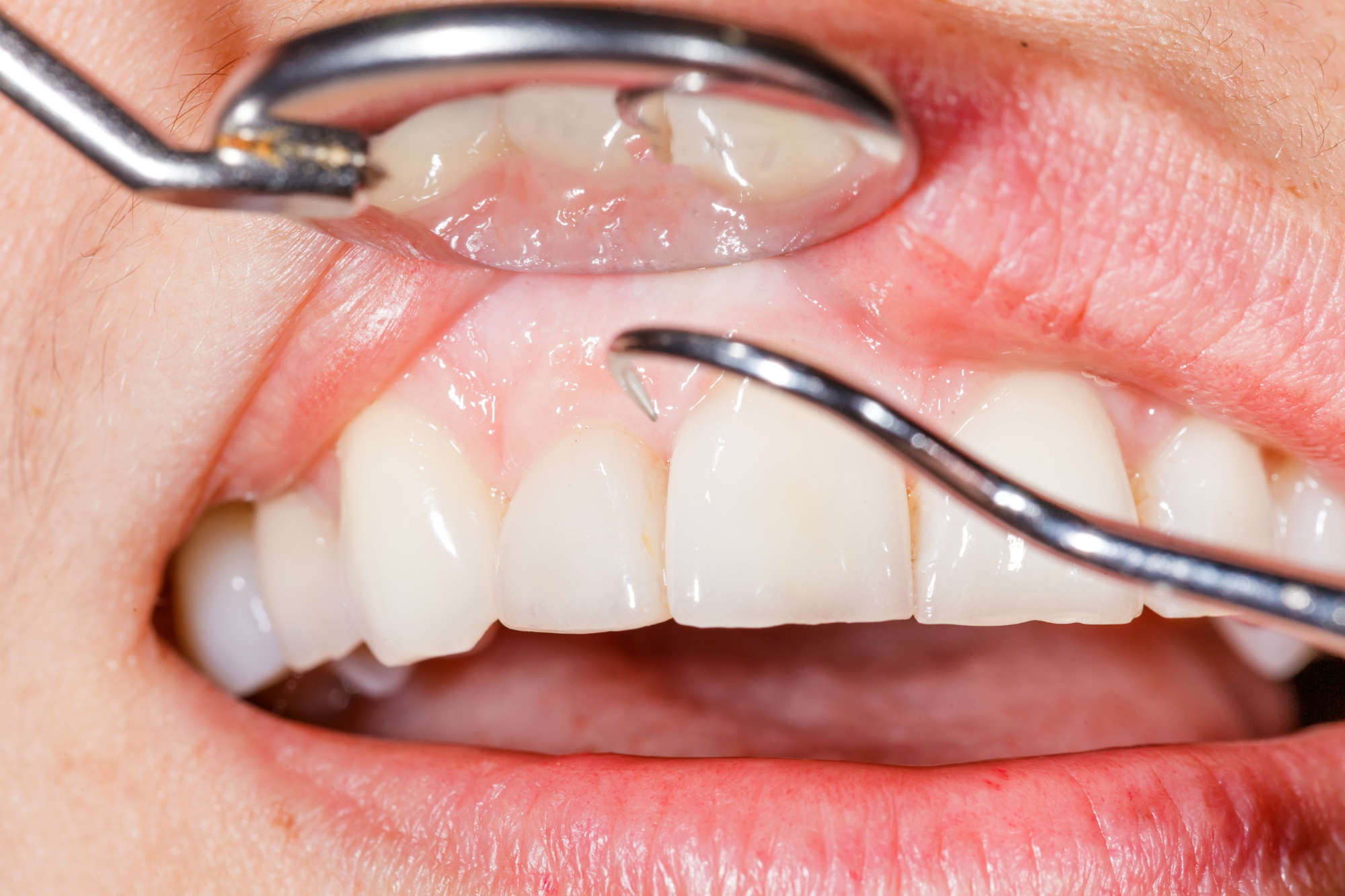
Gingivitis is a common and often overlooked oral health issue that affects millions of people worldwide. It’s a mild form of gum disease that, if left untreated, can progress to more severe conditions, leading to tooth loss and other health complications. The good news is that gingivitis is preventable and treatable, and this article will guide you through the signs of gingivitis and various treatment options.
Understanding Gingivitis
Gingivitis is an inflammation of the gums, primarily caused by the accumulation of plaque, a sticky film of bacteria, on the teeth and along the gumline. The earliest signs of gingivitis can be subtle, but if you know what to look for and take action promptly, you can prevent it from developing into a more severe form of gum disease.
Signs Of Gingivitis
- Bleeding Gums: One of the most common signs of gingivitis is bleeding gums, especially when you brush or floss your teeth. Healthy gums should not bleed easily. If you notice blood when you clean your teeth, it’s time to consider gingivitis as a potential cause.
- Swollen and Red Gums: Healthy gums are typically pink and firm. Gingivitis can cause your gums to become swollen, red, and tender to the touch. If you notice any change in the color or texture of your gums, it’s a clear sign of a problem.
- Bad Breath: Persistent bad breath, also known as halitosis, can be an indicator of gingivitis. The bacteria in plaque release toxins that can cause an unpleasant odor in your mouth.
- Receding Gums: Gingivitis can cause your gums to recede, exposing more of your teeth than usual. This not only affects the appearance of your smile but also makes your teeth more vulnerable to decay.
- Tender Gums: If your gums are sore or painful to the touch, it’s another sign of gingivitis. This discomfort can make everyday activities like eating and brushing your teeth a painful experience.
- Pockets Forming Between Teeth and Gums: Gingivitis can cause pockets to form between your teeth and gums, allowing more plaque and bacteria to accumulate. If you notice spaces or gaps where there weren’t any before, it’s time to be concerned.
- Loose Teeth: In advanced cases of gingivitis, your teeth may become loose or shift out of position. This is a severe sign that you need immediate dental attention.
Gingivitis Treatment
Now that you’re aware of the signs of gingivitis, let’s explore the various treatment options available.
- Improving Oral Hygiene: The first step in treating gingivitis is to enhance your oral hygiene routine. This includes:
- Brushing your teeth twice a day with a fluoride toothpaste.
- Flossing daily to remove plaque and debris from between your teeth and along the gumline.
- Using an antimicrobial mouthwash to reduce bacteria in your mouth.
- Regular dental check-ups and cleanings.
- Professional Dental Cleaning: If you’re diagnosed with gingivitis, your dentist will recommend a professional dental cleaning to remove the accumulated plaque and tartar. This thorough cleaning is often sufficient to reverse the early stages of gingivitis.
- Scaling and Root Planing: In more severe cases, your dentist may recommend a deep cleaning procedure called scaling and root planing. This involves removing tartar and smoothing out the tooth’s root surface to encourage the gum tissue to reattach to the tooth. This procedure is typically done under local anesthesia.
- Antibiotics: In some cases, your dentist may prescribe antibiotics to help control the infection and inflammation. This is more common in cases where gingivitis has progressed significantly.
- Lifestyle Changes: To prevent gingivitis from recurring, it’s essential to make some lifestyle changes. These include quitting smoking, managing stress, and maintaining a well-balanced diet. These changes can improve your overall oral health and well-being.
- Managing Health Conditions: Certain health conditions, such as diabetes, can increase your risk of gum disease. Managing these underlying health issues is crucial to effectively treat and prevent gingivitis.
- Orthodontic Treatment: If gingivitis is caused or exacerbated by misaligned teeth, orthodontic treatment may be recommended to correct the alignment and reduce the risk of gum issues.
- Surgical Procedures: In severe cases, surgical procedures may be necessary to treat advanced gum disease. These procedures can include gum grafts to cover exposed tooth roots, pocket reduction surgery to eliminate bacteria-harboring pockets, and even tooth extraction in extreme cases.
Preventing Gingivitis
Preventing gingivitis is the best approach to maintaining healthy gums. Here are some essential steps you can take to prevent gingivitis:
- Maintain a Consistent Oral Hygiene Routine: Brush your teeth at least twice a day and floss daily. Use an antimicrobial mouthwash to reduce bacteria and plaque.
- Regular Dental Check-ups: Visit your dentist for regular check-ups and cleanings. This allows your dentist to catch any signs of gingivitis early and provide necessary treatment.
- Healthy Diet: Eat a balanced diet rich in fruits and vegetables and low in sugary snacks and beverages. A diet high in sugar can contribute to plaque buildup.
- Quit Smoking: Smoking is a significant risk factor for gum disease. Quitting smoking can greatly improve your gum health and overall well-being.
- Manage Stress: High stress levels can weaken your immune system and make you more susceptible to gum disease. Practicing stress-reduction techniques like meditation or yoga can help.
- Stay Hydrated: Drinking water helps flush away food particles and bacteria, reducing the risk of plaque buildup.
Conclusion
Gingivitis treatment is a common dental problem, but with early recognition and appropriate treatment, it is entirely manageable and reversible. By being aware of the signs of gingivitis and taking proactive steps to prevent it, you can maintain healthy gums and a beautiful smile. Remember to maintain a consistent oral hygiene routine, seek professional dental care, and make necessary lifestyle changes to keep gingivitis at bay. Your oral health is an essential part of your overall well-being, so take action to protect your gums and teeth from the early signs of gingivitis.