
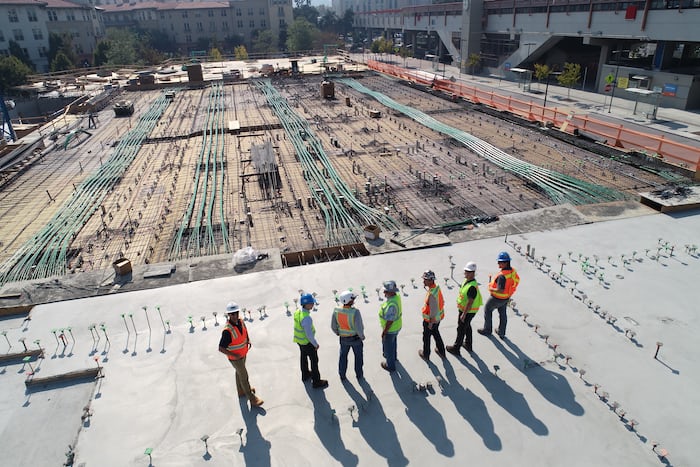
Construction project planning is the compass that guides the entire construction process, from conception to completion. This critical phase sets the direction, defines the scope, allocates resources, and establishes the timeline for the project. In this article, we explore the significance of construction project planning, the key components, and the best practices that ensure projects stay on course and reach their successful conclusion.
Significance of Construction Project Planning:
Construction project management is the bedrock upon which successful construction projects are built. It is the stage where the project’s goals and objectives are crystallized, and the roadmap for achieving them is outlined. Without proper planning, a construction project is at risk of scope creep, budget overruns, delays, and misallocation of resources. Effective planning, on the other hand, minimizes uncertainties, streamlines decision-making, and provides a clear path for all stakeholders to follow.
Key Components of Construction Project Planning:
-
Project Scope Definition: Clearly defining the project’s purpose, goals, and objectives is the first step. What does the client want to achieve with this project? What are the specific deliverables? A well-defined scope sets the boundaries and expectations.
-
Resource Allocation: Planning involves determining the necessary resources, including labor, materials, equipment, and budget, to execute the project. Efficient allocation ensures that resources are available when needed, reducing delays.
-
Scheduling: Developing a comprehensive project schedule is vital. It breaks down the project into manageable tasks and establishes realistic timelines and milestones. Tools like Gantt charts and Critical Path Method (CPM) are often used to visualize and manage schedules.
-
Risk Assessment and Mitigation: Identifying potential risks and challenges is a crucial part of planning. This includes everything from weather-related disruptions to regulatory hurdles. Mitigation strategies should be developed to address these risks as they arise.
-
Communication and Collaboration: Effective communication among all project stakeholders is essential. Clear channels for sharing information, updates, and feedback should be established. Collaboration tools and regular meetings facilitate this process.
Best Practices in Construction Project Planning:
-
Involve All Stakeholders: Collaboration from the project’s inception is key. Architects, engineers, contractors, and clients should work together to ensure alignment of goals and expectations.
-
Use Technology: Project management software, Building Information Modeling (BIM), and virtual design tools are invaluable for planning. They enable precise visualization and efficient coordination.
-
Regular Monitoring and Adaptation: The plan should be a dynamic document. Regularly monitor progress and adapt the plan as necessary. This flexibility helps to address unforeseen challenges and keep the project on track.
-
Contingency Planning: Build in contingencies for delays or changes. A well-prepared plan considers potential obstacles and has strategies in place to address them.
-
Document Everything: Detailed documentation is essential for accountability and record-keeping. Proper documentation helps in dispute resolution and post-project evaluation.
In conclusion, construction project planning is the keystone of construction success. It provides the structure, strategy, and direction that ensure a project’s efficient execution. By meticulously defining project objectives, allocating resources effectively, and addressing potential risks, construction project planning paves the way for successful construction ventures. As the construction industry continues to evolve, embracing innovative tools and approaches, the art of planning remains timeless in its importance, guiding projects towards their intended destinations.