
A sturdy and level foundation is essential for the structural integrity of any building. However, as time passes, concrete surfaces can become uneven and prone to settling, which may result in structural issues. To address this, concrete leveling foam has emerged as an effective solution. But, it’s not just about leveling; a crucial component of maintaining a strong foundation is addressing water drainage issues. In this comprehensive guide, we will explore concrete leveling foam and its benefits, as well as delve into the importance of drainage solutions in safeguarding your property against water-related damage. Let’s embark on a journey to understand how these elements work in harmony to protect your investment.
The Significance of a Stable Foundation
Before diving into concrete leveling foam and drainage solutions, it’s important to comprehend the critical role a stable foundation plays in the lifespan of any structure.
Why Is a Level Foundation Important?
A level foundation is crucial for several reasons:
-
Structural Integrity: A level foundation supports the entire structure, ensuring that it remains stable and secure.
-
Preventing Structural Damage: Uneven or settling concrete can lead to cracks in walls, sloping floors, and misaligned doors and windows. Addressing these issues promptly can prevent further structural damage.
-
Safety: A level foundation enhances the safety of the occupants by reducing the risk of accidents or injuries caused by tripping hazards.
-
Property Value: A well-maintained, level foundation can enhance the value of your property.
Concrete Leveling Foam: A Comprehensive Solution
Understanding Concrete Leveling Foam
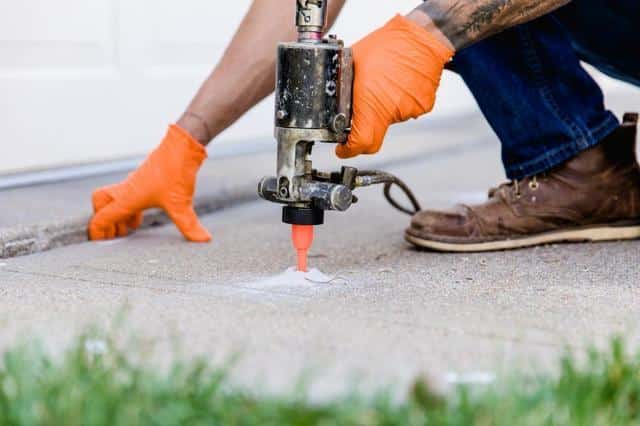
Concrete leveling foam, also known as polyurethane foam or polyurethane injection, is a modern and highly effective method for addressing uneven or settling concrete surfaces. It involves injecting a high-density polyurethane foam into voids and gaps beneath the concrete. The foam expands and hardens, creating a stable and lightweight foundation support.
The Benefits of Concrete Leveling Foam
1. Minimal Disruption: Unlike traditional methods that involve extensive excavation and construction work, concrete leveling foam requires small, strategically placed holes through which the foam is injected. This minimizes disruption to the property.
2. Speed and Efficiency: Concrete leveling repairs can often be completed in a matter of hours or days, depending on the scope of the problem. This rapid turnaround minimizes inconvenience for the homeowner and prevents further damage to the structure.
3. Long-Lasting Results: The polyurethane foam used in this process is incredibly durable and resistant to environmental factors like moisture and temperature changes. This ensures that the repaired concrete will remain stable for years to come.
4. Versatility: Concrete leveling foam is highly versatile and can be used to address a wide range of concrete issues, including uneven sidewalks, driveways, patios, and more.
Drainage Solutions for Water Management
The Importance of Proper Drainage
Water management is an essential aspect of preserving the integrity of a building’s foundation. Improper drainage can lead to a host of issues, including:
-
Foundation Damage: Excess water can penetrate the foundation, leading to cracks, erosion, and settling.
-
Mold and Mildew: Poor drainage can create conditions conducive to mold and mildew growth, which can negatively impact indoor air quality and the health of the occupants.
-
Landscape Erosion: Inadequate drainage can erode the landscaping around your property, leading to potential property damage and safety hazards.
-
Pest Infestations: Standing water can attract pests like mosquitoes and create breeding grounds for them.
Types of Drainage Solutions
Several drainage solutions are available to manage water around your property. They can be categorized into two main types:
1. Surface Drainage Solutions
-
French Drains: A French drain is a trench filled with gravel or rock, containing a perforated pipe that redirects surface water and groundwater away from the property.
-
Grading and Sloping: Proper grading and sloping of the landscape can direct water away from the foundation and toward appropriate drainage systems.
-
Swales: Swales are shallow, grassy channels designed to carry and manage rainwater away from the property.
-
Rain Barrels: Collecting rainwater in barrels can help manage excess water, which can then be used for irrigation.
2. Subsurface Drainage Solutions
-
Foundation Drain Tile: This system involves installing a drainage pipe around the foundation to capture and redirect water away from the structure.
-
Sump Pumps: Sump pumps are used to pump out water that collects in a sump pit, preventing it from flooding the basement or crawlspace.
-
Curtain Drains: Curtain drains are installed below the surface to intercept water and direct it away from the property.
-
Dry Wells: A dry well is a system that collects and manages excess water underground, gradually releasing it into the soil.
How Concrete Leveling Foam and Drainage Solutions Work Together
The Synergy Between Concrete Leveling and Drainage
Concrete leveling foam and drainage solutions are not mutually exclusive; in fact, they complement each other in several ways:
1. Preventing Water Intrusion: Leveling uneven or settling concrete surfaces can help create a slope away from the property, preventing water from pooling near the foundation.
2. Minimizing Soil Erosion: Properly leveled concrete surfaces help direct water toward drainage systems, reducing soil erosion and protecting the landscaping.
3. Addressing Subsurface Water Issues: Concrete leveling foam can address issues caused by subsurface water problems, such as uneven concrete slabs resulting from soil settling.
4. Preventing Water-Related Damage: Combining both solutions can effectively prevent water-related damage to the foundation and the surrounding property.
Conclusion
A stable and water-resistant foundation is crucial for the longevity and safety of any structure. Concrete leveling foam and drainage solutions are integral components in ensuring the structural integrity of your property. Whether you’re addressing uneven concrete surfaces or managing water drainage, understanding how these elements work together can help you safeguard your investment and maintain a secure and comfortable living space. By considering both concrete leveling and drainage solutions, you can proactively address potential issues and ensure the long-term well-being of your property.