
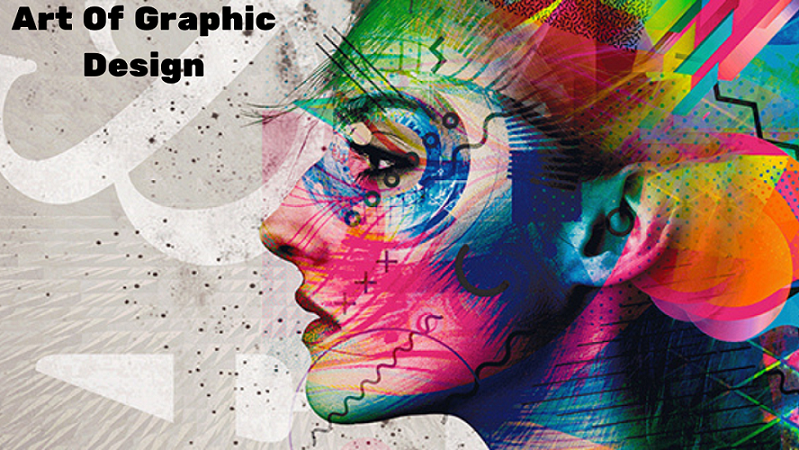
Graphic design is like magic on a blank canvas. It takes a mix of art and communication to turn nothing into something amazing. It’s all about making things look great and also sending a message. Designers use their skills to grab your attention and help you understand things, whether it’s in a book, a web page, or even a video. They pick colors, fonts, pictures, and how things are arranged to make it all look just right.
Graphic design is everywhere. It’s what makes a company look special and tells you what they stand for. It’s what makes a magazine easy to read and interesting. Design is what makes you notice a cool ad for a product. And when you use a website or watch a video, graphic design guides you through it.
These designs have changed a lot with technology. It used to be all about drawing by hand and printing on paper. Now, it’s all digital, and designers use computers and the internet to create amazing stuff.
In our journey through graphic design, we’ll learn about its history, how it works, and the magic that turns a blank page into something incredible. We’ll also discover the talented designers who make our world more colorful and exciting. From the past to the future, visual design is a fantastic adventure in the world of visual communication.
Origin of Graphic Design
Visual design is like telling stories with pictures, and it’s something humans have done for a very long time. We can find it in ancient cave paintings and the pictures of birds and animals that ancient Egyptians used to write. But calling it “graphic design” is a more recent thing.
The term “graphic design” started to become popular in the early 1900s, thanks to creative people like William Morris and Peter Behrens. They showed how art and industry could work together in a structured way.
The Industrial Revolution also had a big impact on Visual design. With machines making lots of things, there was a need for posters, ads, and printed stuff to tell people about those things. That’s when web graphic design as we know it took off. The Bauhaus school in Germany, which started in 1919, pushed the idea of mixing art and technology.
Then, the digital age arrived with personal computers. That changed the visual design a lot. Designers now use computers and special software to make amazing things. They can be more creative and precise than ever before.
Today, graphic design is all around us, from logos and ads to websites and phone apps. Web graphic design is not just about passing on information; it’s also about making things look beautiful. Graphic designing services have a long history, and they keep evolving as technology and culture change. It’s all about telling stories with pictures, and it’s a powerful way to communicate and express creativity.
Principles of Graphic Design
The principles of visual design are the building blocks of creating visually appealing and effective designs. They include balance, contrast, alignment, repetition, and proximity. These principles guide designers in achieving harmony, clarity, and impact in their work, ensuring that the message is conveyed clearly and aesthetically. At the heart of graphic design are fundamental principles that guide the creation of compelling visuals:
-
Balance: Achieving equilibrium in design elements, whether symmetrical or asymmetrical, creates harmony and stability.
-
Contrast: The juxtaposition of different elements, such as colors, fonts, or shapes, adds visual interest and emphasis.
-
Alignment: Consistent alignment of elements fosters cohesion and a clear visual hierarchy.
-
Repetition: Repeating design elements, such as patterns or colors, unifies the composition and creates a sense of consistency.
-
Proximity: Grouping related elements together enhances their connection and the overall organization of the design.
-
Typography: The choice of fonts and the way text is arranged greatly impact the message and readability of a design.
-
Color Theory: Understanding the psychology of color and color combinations is crucial for eliciting specific emotional responses from the audience.
-
Negative Space: The effective use of negative space can create powerful focal points and enhance overall aesthetics.
Evolution of Graphic Design
The story of graphic design is like a time-travel adventure. It started with ancient drawings on cave walls and fancy pictures in old Egypt. Then, during the industrial revolution, we got cool posters and printed stuff. The Bauhaus folks mixed art and tech to make things look even better.
But the big change came with personal computers. Now, designers use special computer programs to make amazing stuff. Visual design is everywhere today, from logos and ads to websites and apps. It’s all about making things look great and telling stories with pictures. It’s like a superpower that helps us understand and enjoy the world.
Impact Of Graphic Design
Graphic design has a profound impact on our lives. It shapes our perceptions, influences our choices, and communicates information effectively. Whether it’s a well-designed logo that conveys a brand’s identity or an eye-catching poster that captures attention, graphic design enhances our understanding and appreciation of the visual world, leaving a lasting impression.
Graphic design is not merely about aesthetics; it’s a powerful communication tool with a profound impact on various aspects of our lives.
-
Branding and Marketing: Strong branding and marketing materials are essential for businesses to distinguish themselves in a competitive market. Graphic design plays a pivotal role in creating memorable logos, advertisements, and marketing collateral.
-
Web Design and User Experience: In the digital age, website design is critical. User-friendly interfaces, intuitive navigation, and visually appealing layouts are all products of graphic design.
-
Information Design: Complex data and information are made digestible through infographics, data visualizations, and other forms of information design. Graphic designers simplify and clarify complex information for the audience.
-
Social and Environmental Awareness: Graphic design is a powerful vehicle for conveying social and environmental messages. Posters, campaigns, and awareness materials leverage design to communicate pressing issues.
-
Entertainment and Art: The world of entertainment, from film posters to album covers, relies on graphic design to captivate audiences. Graphic designers often shape the visual aesthetics of art and culture.
-
Education and Instruction: Educational materials, textbooks, and online courses all benefit from the work of graphic designers. Clear and engaging visuals aid in the learning process.
Conclusion
In the enchanting world of graphic design, where a blank canvas transforms into a masterpiece, we’ve explored the art’s rich history, principles, and evolution. From its ancient origins to the digital age, graphic design has woven a Visual narrative that captivates and informs. It stands at the intersection of creativity, technology, and communication, influencing our daily lives in countless ways. As we conclude our journey from the blank canvas to brilliance, we celebrate the designers who craft visual stories, making the world more beautiful and understandable. The art of graphic design continues to be a dynamic force, ensuring that form and function coexist harmoniously in the visual tapestry of our existence.