
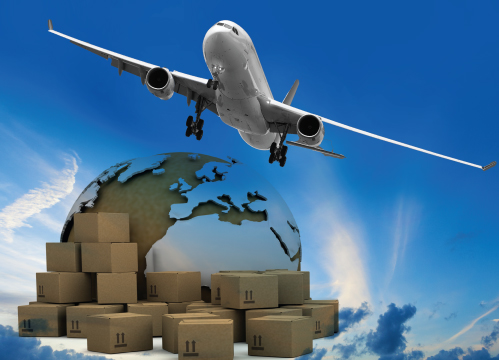
Air freight, also known as air cargo, is a powerhouse in the world of logistics and international trade. It’s a mode of transportation that provides unparalleled speed and efficiency, making it a preferred choice for businesses looking to move goods across the globe rapidly. In this comprehensive guide, we’ll explore what air freight is, how it operates, its advantages, challenges, and why it’s a vital part of today’s interconnected global economy.
Understanding Air Freight
What Is Air Freight?
Air freight, or air cargo, refers to the transportation of goods by air. It involves the use of commercial and cargo aircraft to move a wide range of commodities, including manufactured products, perishables, electronics, pharmaceuticals, textiles, and more. Air freight is known for its speed and reliability, making it ideal for time-sensitive and high-value cargo.
How Does Air Freight Work?
The process of air freight involves several key steps:
-
Cargo Booking: A shipper or freight forwarder books space on an aircraft with an airline or air cargo carrier. This booking includes details such as the type of cargo, dimensions, weight, and the destination.
-
Cargo Preparation: Goods are packed, labeled, and documented according to international shipping standards. This ensures compliance with customs regulations and airline safety requirements.
-
Cargo Handling: At the origin airport, cargo is delivered to a cargo terminal. It undergoes inspection, security screening, and is then loaded onto aircraft pallets or containers.
-
Transportation: Cargo is loaded onto the aircraft. Depending on the size and type of cargo, it can be carried in the aircraft’s main cargo hold or on dedicated freighter aircraft.
-
Air Transit: The aircraft transports the cargo to the destination airport. During transit, temperature-sensitive or perishable goods may be stored in climate-controlled compartments.
-
Customs Clearance: Upon arrival at the destination airport, cargo goes through customs clearance procedures, including inspections, duties, and taxes assessment.
-
Distribution: Goods are either transported directly to their final destination or to other distribution centers, depending on the logistics plan.
Advantages of Air Freight
1. Speed and Efficiency:
Air freight is the fastest mode of transportation, reducing transit times significantly compared to sea or land transport. It’s ideal for time-sensitive shipments and just-in-time inventory.
2. Global Reach:
Air freight connects major cities and industrial centers worldwide, providing access to a vast network of destinations.
3. Versatility:
Air cargo can accommodate a wide range of cargo types, including high-value goods, perishables, pharmaceuticals, and electronics.
4. Reliability:
Airlines operate on strict schedules, ensuring that cargo arrives at its destination predictably, reducing supply chain disruptions.
5. Reduced Inventory Costs:
Faster transit times enable businesses to carry less inventory, minimizing holding costs.
6. Security:
Airports and airlines have stringent security measures in place to protect cargo from theft and tampering.
Challenges of Air Freight
1. Cost:
Air freight is generally more expensive than sea or land transport, making it less cost-effective for bulky or low-value goods.
2. Capacity Constraints:
During peak seasons or emergencies, available cargo space on aircraft can be limited, leading to higher prices and potential delays.
3. Environmental Impact:
Air freight has a higher carbon footprint compared to other modes of transport, which can pose sustainability challenges.
Conclusion
Air freight stands as a dynamic and indispensable component of global logistics, providing the speed, efficiency, and reliability needed to meet the demands of today’s interconnected world. Whether it’s delivering fresh produce from one continent to another, transporting critical medical supplies, or ensuring that just-in-time manufacturing stays on schedule, air freight plays a vital role in shaping the global economy. While it comes with its challenges, its ability to accelerate the movement of goods and bridge vast distances continues to make it an essential force in modern trade and commerce.