
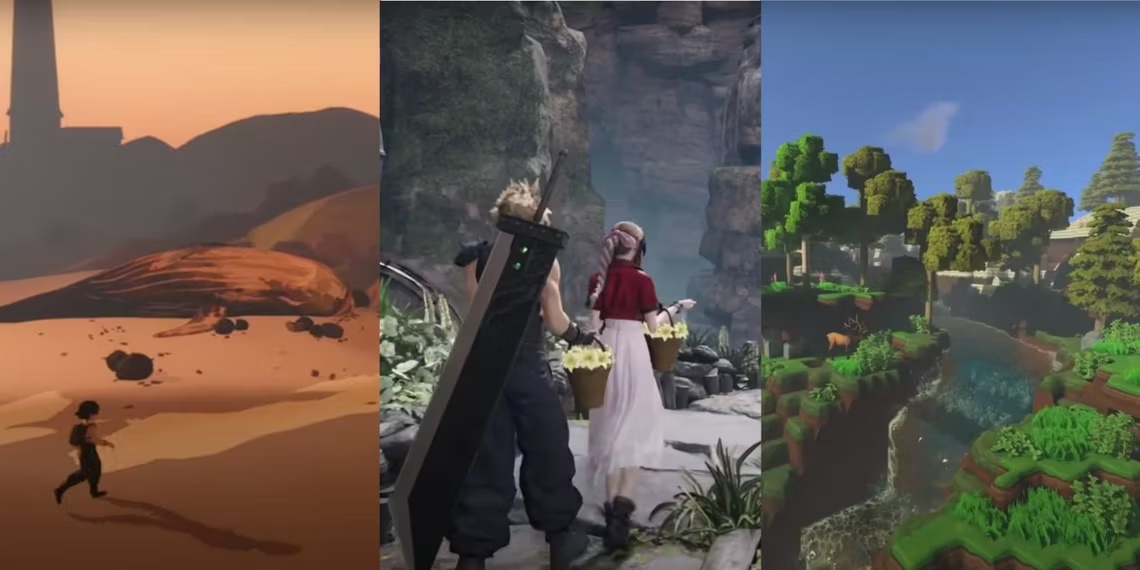
Our world is the only one with video games.
You often play the part of the thief in video games that are about an ecosystem’s resources. You are in a world with lush woods, roaring streams, and sharp mountains. Your only goal is to get as much of the land’s riches as you can, without caring about anything else. Building a house or a community gives you wood, water, and ore, which you then use to fill your cache. The damage that this unchecked harvest does to the earth is rarely looked into.
These games are different from the rest. Even though these books are different in style and subject, they all make you think about how your actions affect the environment as a whole. They don’t want you to be praised for taking over the world; instead, they want you to see yourself as a small part of a bigger ecosystem. In these ten games, your job is not to destroy the world, but to keep it safe.
Climate Quest
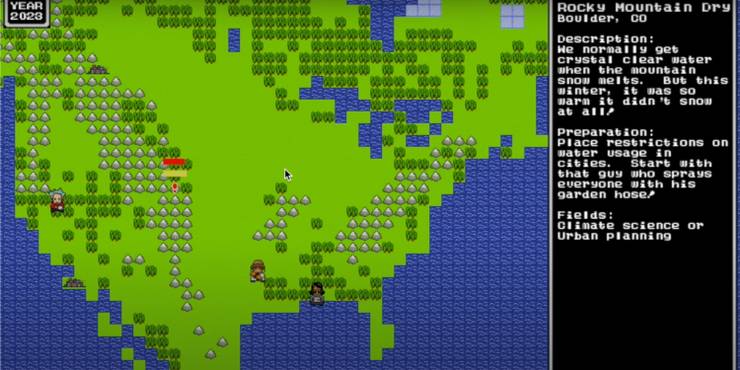
A 2016 mobile game by Earth Games called Climate Quest is at the bottom of the list. It’s about environmental disasters. This game has a retro pixel art style and asks you to play as four environmental experts, ranging from a biologist to an urban planner.
As the game goes on, problems will happen all over the United States, such as flood warnings, animals in danger, and agricultural waste. You will be responsible for giving the best expert to solve the issue. This game does a good job of covering a lot of ground. It makes you think about the world through the lens of different fields and how solutions from different fields will be needed in the future.
World Rescue
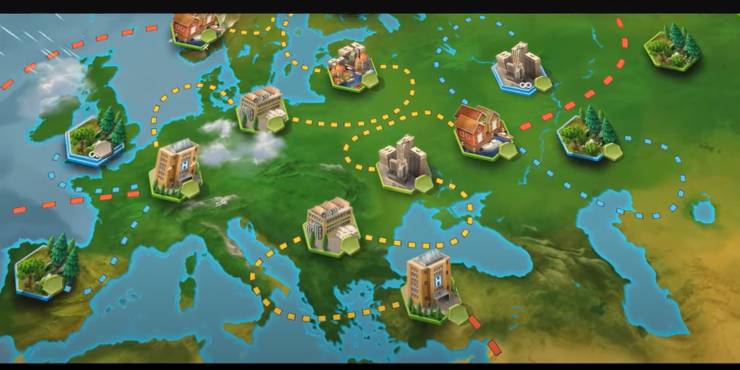
People liked this mobile game so much that it won the 2014 UNESCO Gaming Challenge. In that challenge, people were asked to make video games that supported the UN’s Sustainable Development Goals. That’s exactly what World Rescue does by letting you play as five different young people from Brazil, India, Kenya, Norway, and China.
Through simple platforming and resource management gameplay, this game takes you through a number of real-world issues, such as sickness, climate change, pollution, and drought. World Rescue is good because it shows real communities that are being hurt by natural problems and stresses that young people can change our future.
A New Beginning
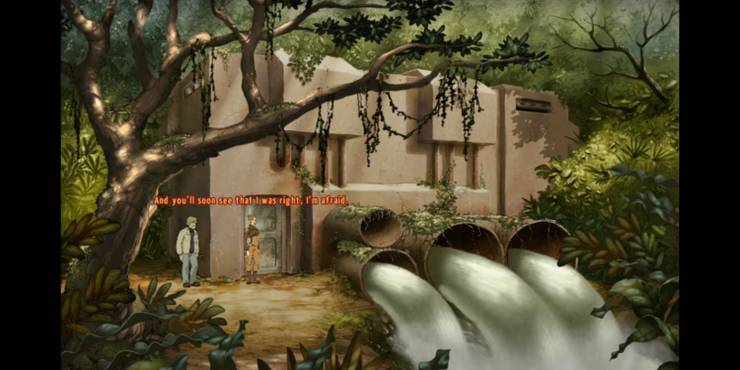
This point-and-click story game from 2011 by Daedalic Entertainment is about what happens when people use too much fuel. You play as either Bent, a tired middle-aged researcher looking into blue algae biofuel as an alternative to fossil fuels, or Fay, a researcher sent back in time from an environmental dystopia in the year 2500 who is sure that Bent’s study is the key to saving the world.
In their quest for a cleaner future, this odd pair faces a huge number of problems. The game can be slow to play and have a lot of conversation, but A New Beginning has well-written characters and an interesting story about the dangers of using energy without thinking.
Plasticity
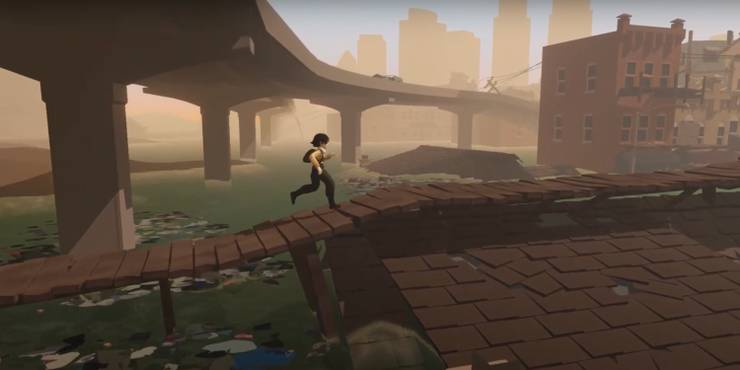
The next game, which came out in 2019 from USC Games, is a short but powerful shooter about the dangers of using too much plastic. You play as Noa, a girl who grows up in a world that is completely filled with plastic trash. Her mother dies of problems after eating microplastics. Noa decides to respect her mother by going to Avalon Island, which used to be clean but is now very polluted, where she grew up.
During the game, Noa can do things to clean up the island and save the animals that live there. Even though Slope Game isn’t about saving the whole world, its disturbing message and beautiful art direction show how important it is for one person to make a difference.
Reset Earth
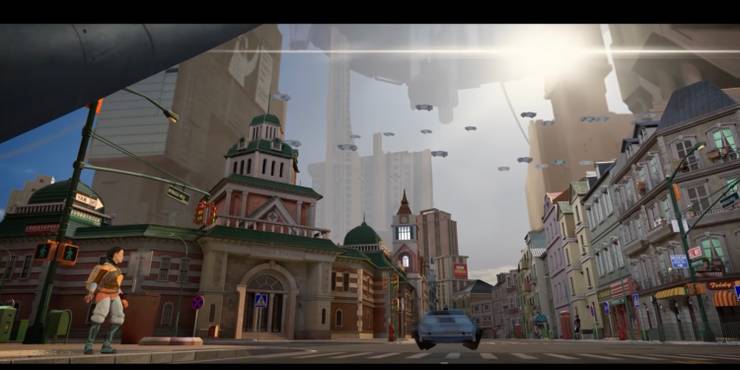
This 2021 mobile game was made by the UN’s Environment Program, Ozone Secretariat. It’s about three young people living in a terrible future. The world Knox, Sagan, and Terran live in is full of smog. This seems to lead to a strange illness called the Grow, which kills people slowly until there are no more people over 30 years old.
The three characters go on a trip through time to find out what happened to the ozone layer, how the Grow came to be, and what can be done to save their world. The famous sci-fi story Reset Earth makes you think about what’s going on in your life with every breath. It looks at the effects of CFCs and damage to the atmosphere with great care.
Everything
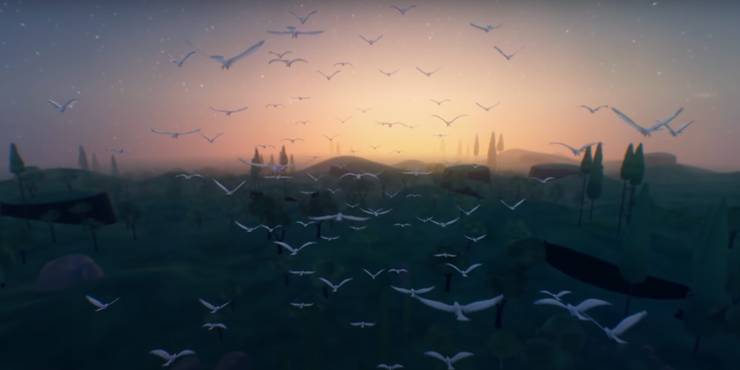
David OReilly put out Everything in 2017. It’s an odd one on this list. The game doesn’t tell you to save the world directly. Instead, it’s a storyless universe simulator where you can live in thousands of “things,” from cows to photons and galaxies. The default narrator of British philosopher Alan Watts talking about connections and how people are a part of nature is an odd addition to Everything.
The game is a love letter to communalism and a study on how everything is connected and works together. When you play everything the way it was meant to be played, you should feel like you are part of the world, care about it, and of course, try to protect it. Because it is you and you are it.
We Are the Caretakers
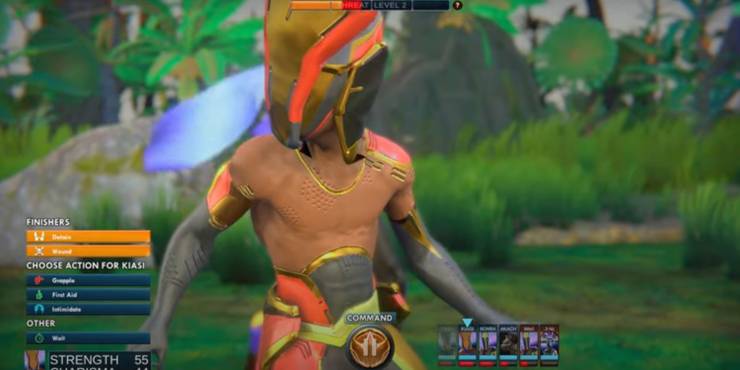
This is an Afrofuturist strategy RPG that came out in 2021 from Heart Shaped Games LLC. Setting: A very long time from now, you play as a group of Caretakers, who protect animals like the alien megafauna Rauns, which look a lot like rhinoceroses. We Are the Caretakers looks at protecting animal habitats as a way to save the environment. It talks about things like illegal poaching and international wildlife zones.
Your party fights poachers and other people who want to change the balance of their environment through turn-based fighting, skill management, and slowly exploring new areas of a landscape that is always changing. Also, 10% of Heart Shaped Games’ sales from We Are the Caretakers are given to the Wildlife Conservation Network (WCN) to help protect rhinos.
Alba: A Wildlife Adventure
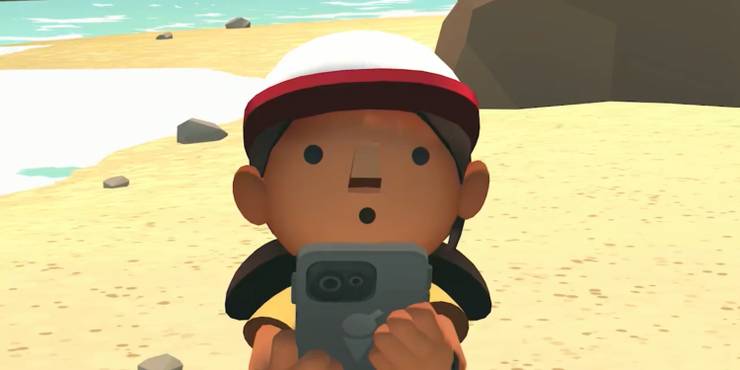
This cute game, which was made by Ustwo Games and came out in 2020, is about a young British girl named Alba who goes on holiday to the made-up island of Secarral in Valencia. Soon after she starts her holiday, Alba learns that the wildlife preserve on the island, which was recently damaged by fire, will be replaced by a fancy hotel.
To bring attention to the issue, Alba: A Wildlife Adventure has you take pictures and make a list of the island’s animals, including the rare Iberian lynx. You also have to pick up trash, help save animals in danger, and collect signatures on a petition to stop the hotel’s construction. Even though this game isn’t very big, its beautiful animation and touching story tell us that small actions add up to big policies.
Final Fantasy 7
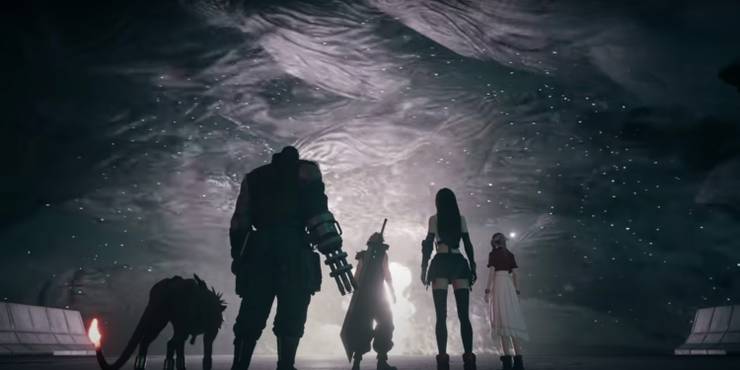
The cult classic Final Fantasy 7 from Square Enix, which came out in 1997 for PlayStation and will be remade in 2020, comes in second. This game doesn’t happen on Earth. Instead, it’s set on a mysterious “Planet” (or “Gaia”) that gets its power from the Lifestream, a spiritual river that gives the world its resources.
In the game, you play as soldier Cloud Strife and other members of AVALANCHE, an eco-terrorism group based in the industrial city of Midgar. Midgar is where the greedy Shinra Electric Company runs its business and makes money off of the Lifestream. Even though this game is an epic story about memory, identity, and friendship, at its core it has always been a warning about the problems that human industry can cause.
Eco
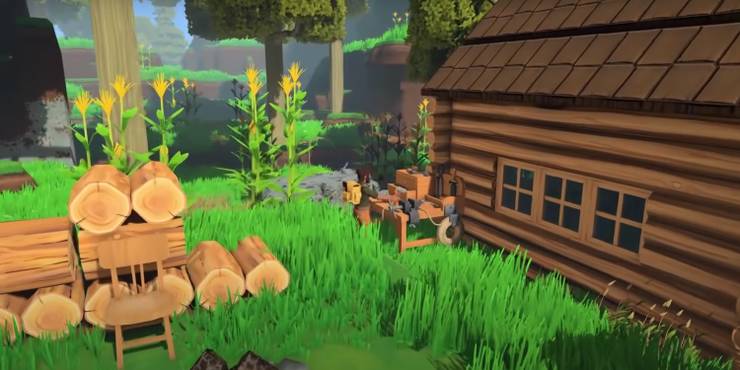
This 2018 game from Strange Loop Games takes place in a world that looks a lot like Minecraft. However, your planet is about to be hit by a rock if you can’t figure out how to destroy it in time. In Eco, you gather resources, make society better, build roads and houses, and set up your own economy and government.
The problem is that every resource you and your team members take from the planet changes its environment. This means that you could kill the planet while trying to save it, which is a very human dilemma. Eco is great because it addresses one of the most important issues in the modern environmental debate: what does progress look like without unrestricted consumption, and is it even possible to make progress that lasts? This reflection on how people interact with their surroundings should be at the top of this list. It has great game design, a collaborative atmosphere, and a truly human concept.