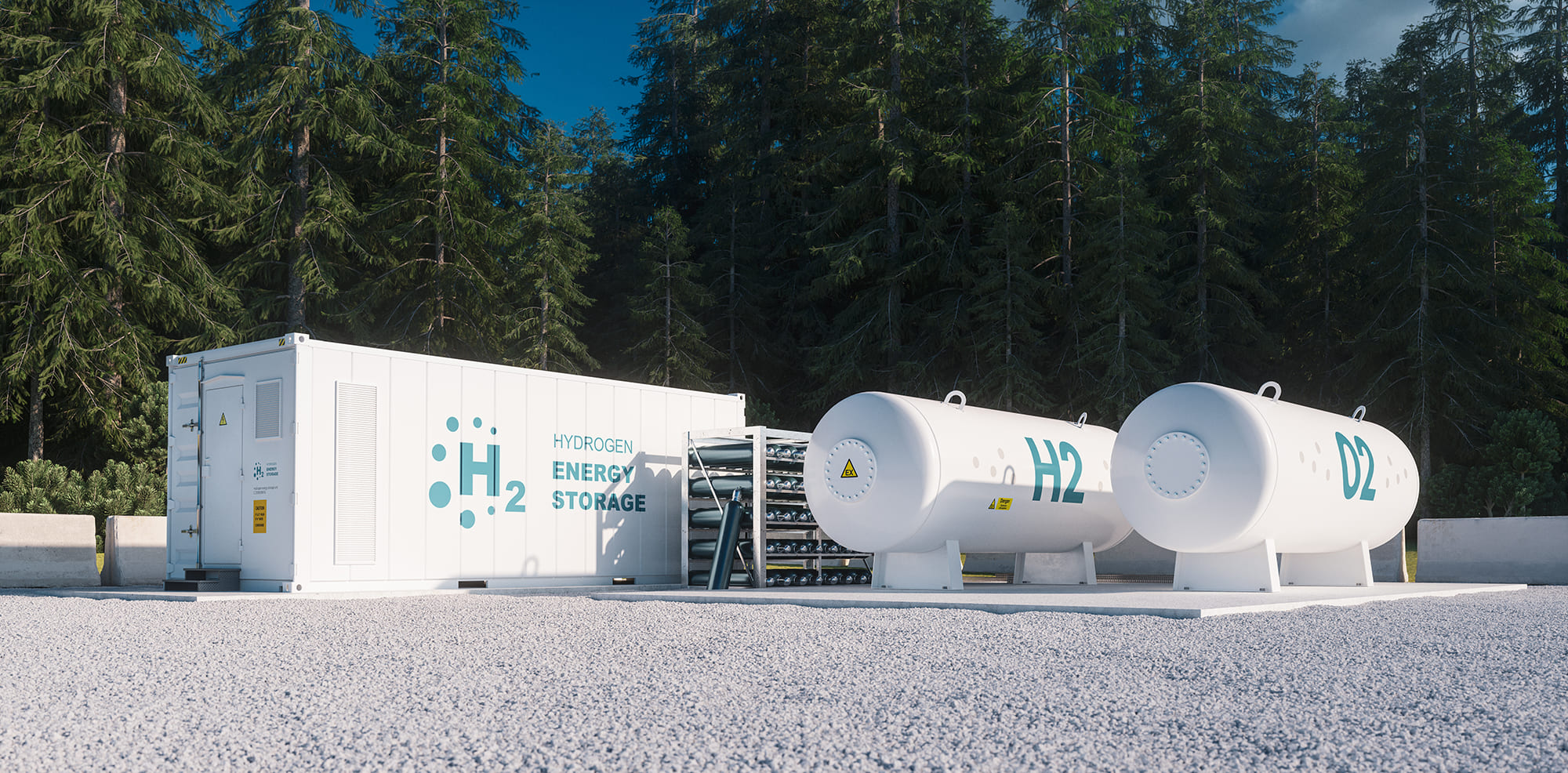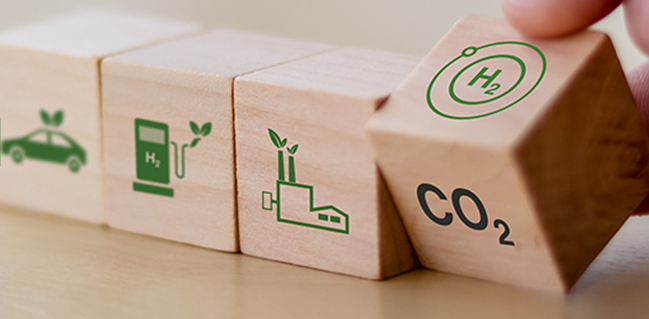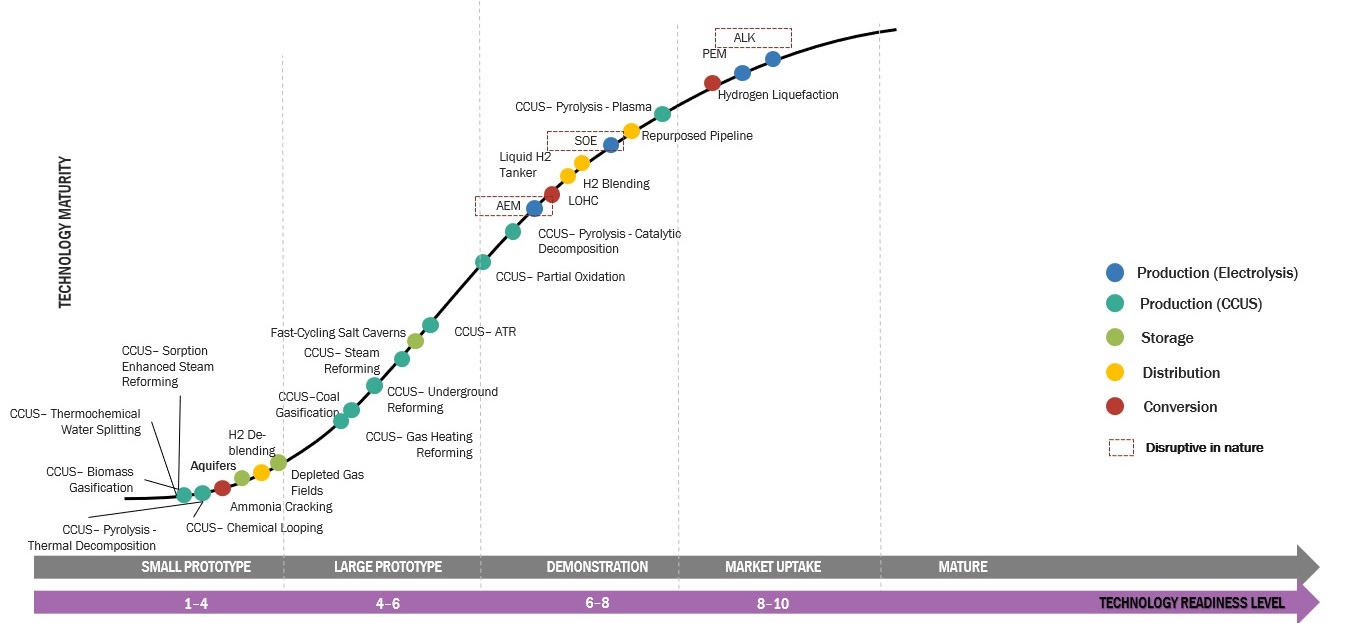
Hydrogen has garnered significant interest as a versatile and environmentally friendly energy source due to its potential applications across various industries. Hydrogen has the potential to be very significant in a variety of industries due to its clean energy properties and versatility.
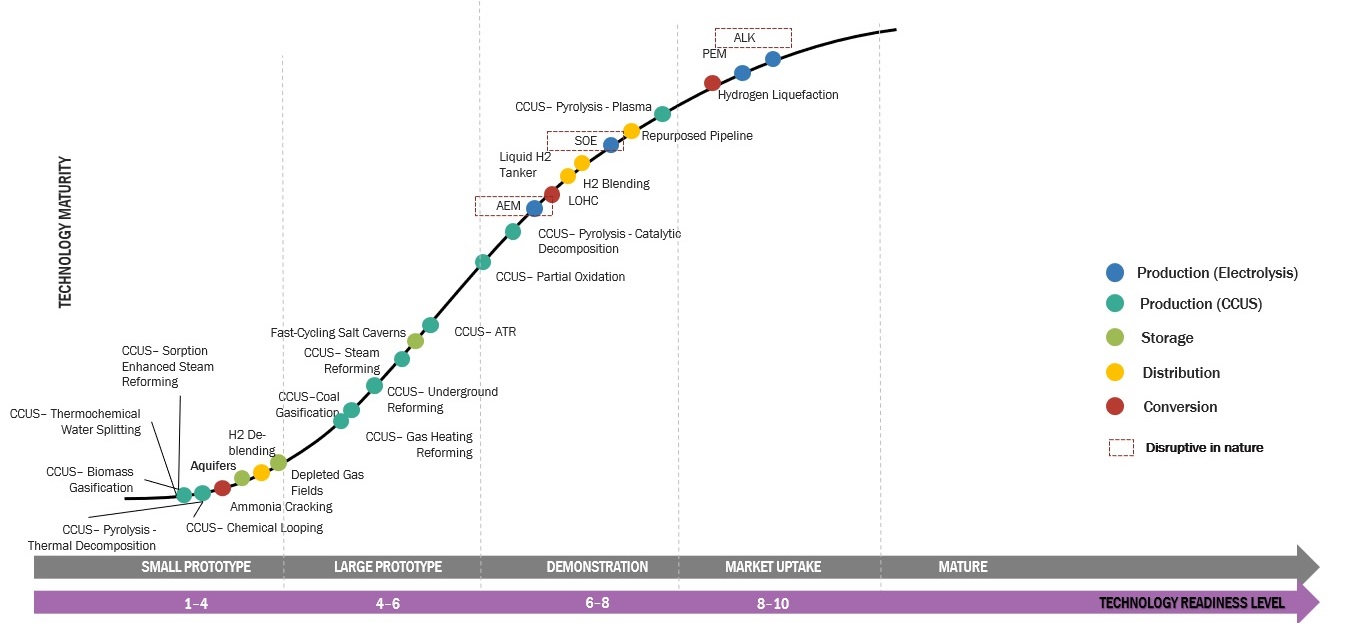
Hydrogen for Net Zero Emission Goals:
Few recent examples that highlight the incorporation of hydrogen in achieving net zero emission goals
Green Hydrogen for Power Generation:
Australia’s Western Green Energy Hub: The project aims to develop a 50 gigawatt renewable energy hub in Western Australia. A significant portion of the generated electricity will be used for green hydrogen production, supporting the decarbonization of power generation and contributing to Australia’s net zero emissions goals.
Hydrogen is a clean, adaptable energy source that has a wide range of uses. The most prevalent and lightest chemical element in the universe is hydrogen. The fundamental component of the universe, hydrogen is also an essential component of many chemical processes and reactions.
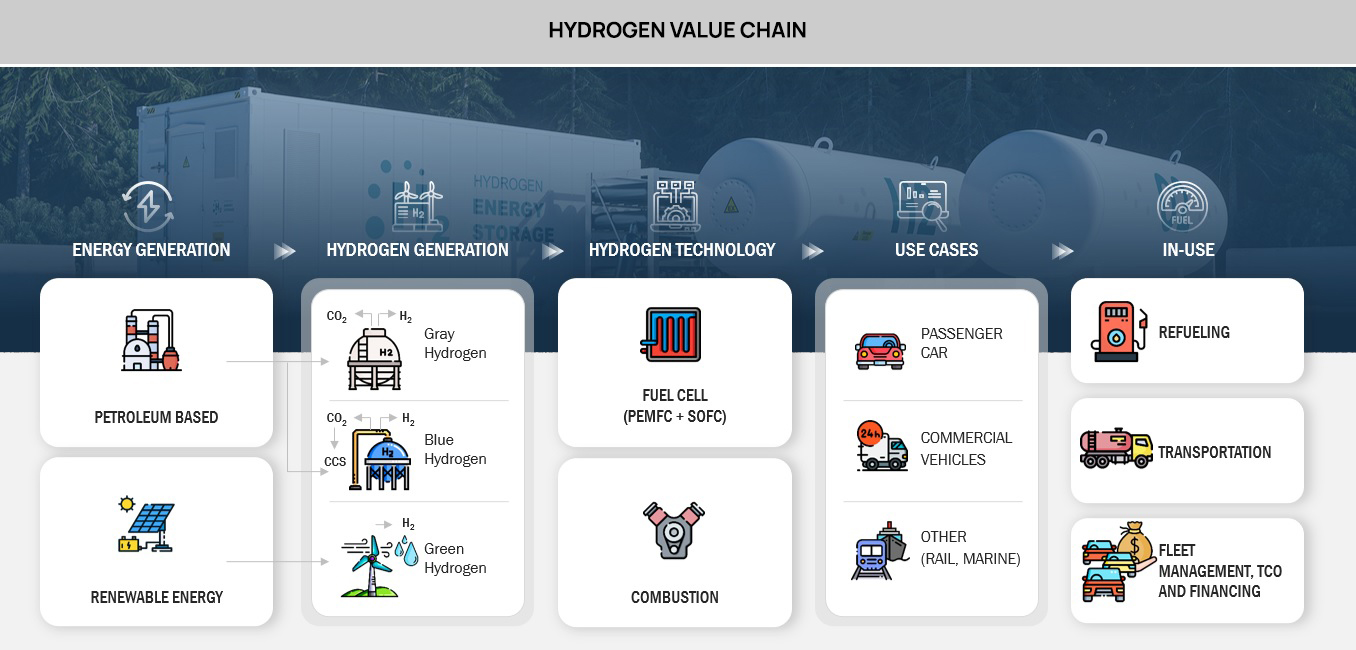
Green hydrogen is a form of hydrogen gas that is created by the electrolysis process utilizing renewable energy sources like sun, wind, or hydropower. Using electricity, this process divides water (H2O) into its component parts, hydrogen (H2) and oxygen (O2). Green hydrogen is created without emitting carbon dioxide, in contrast to gray or blue hydrogen, which is produced from fossil fuels or natural gas.
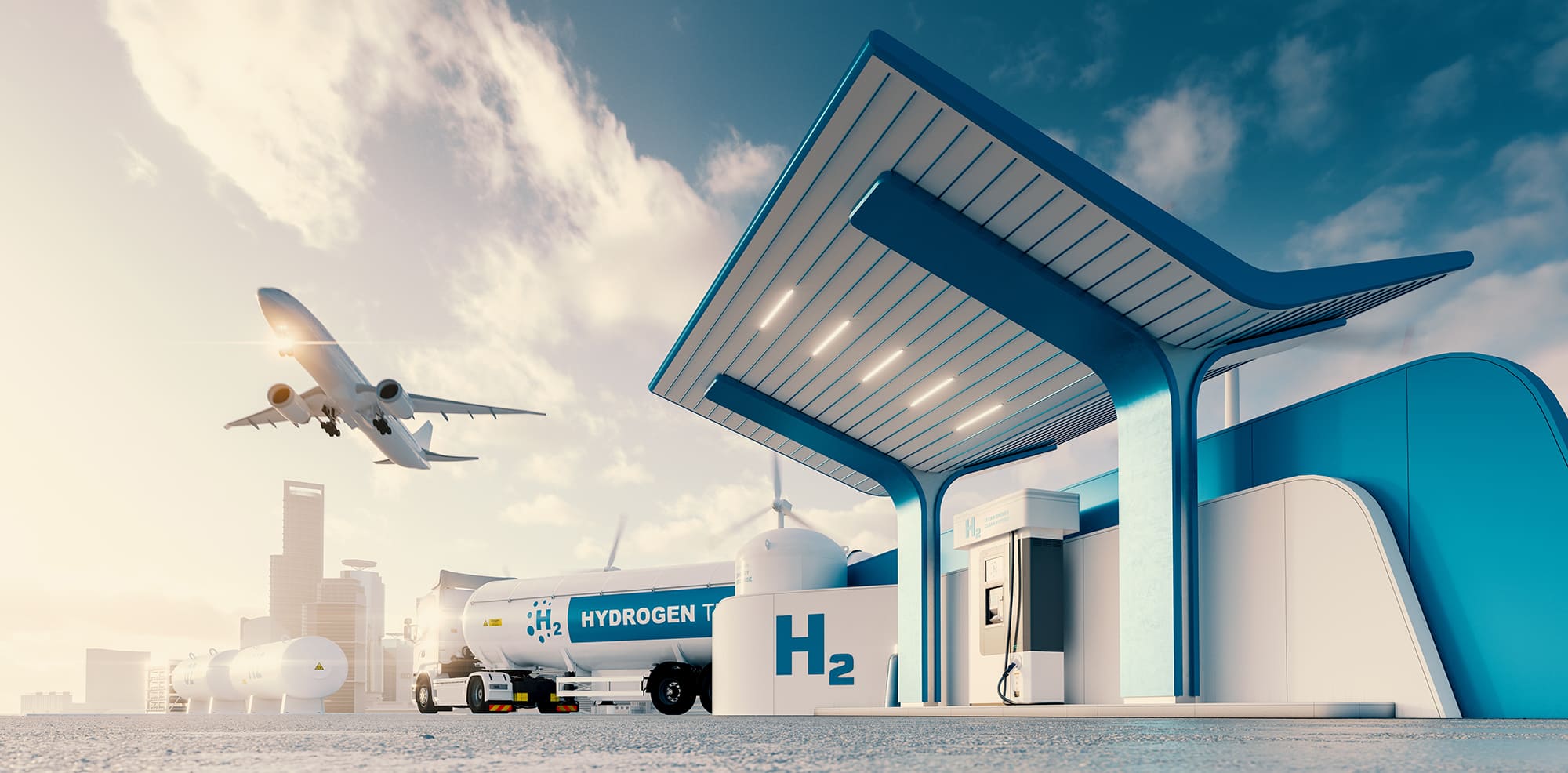
The usage of hydrogen vehicles as a means of cutting greenhouse gas emissions and switching to greener transportation systems is becoming more and more popular.
Green hydrogen is hydrogen produced using renewable energy sources, such as wind or solar power, through a process called electrolysis. It has gained significant attention as a clean and sustainable energy carrier with numerous opportunities across various sectors.
Both hydrogen and electricity have significant roles to play in the future of energy and transportation, depending on the particular application and context. However, this is a complicated and dynamic subject.
Accelerating the production and use of green hydrogen—hydrogen produced by electrolysis and using renewable energy sources—requires the development of legislative frameworks for its deployment. Governments and international organizations create these frameworks to offer direction and inducement to businesses and investors to fund and advance green hydrogen technology.
Hydrogen integration strategies refer to plans and approaches for incorporating hydrogen as an energy carrier and resource into various sectors of the economy, such as industry, transportation, and power generation. Hydrogen is seen as a promising solution for reducing greenhouse gas emissions and transitioning to a more sustainable energy system.