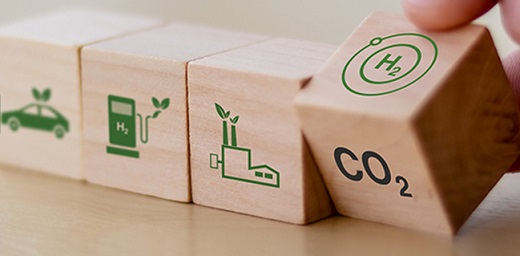
There are several applications for hydrogen, an energy source that is flexible and clean. Hydrogen is the most common and lightest chemical element in the universe. Hydrogen, which is the building block of the cosmos, is also necessary for a variety of chemical reactions and processes.
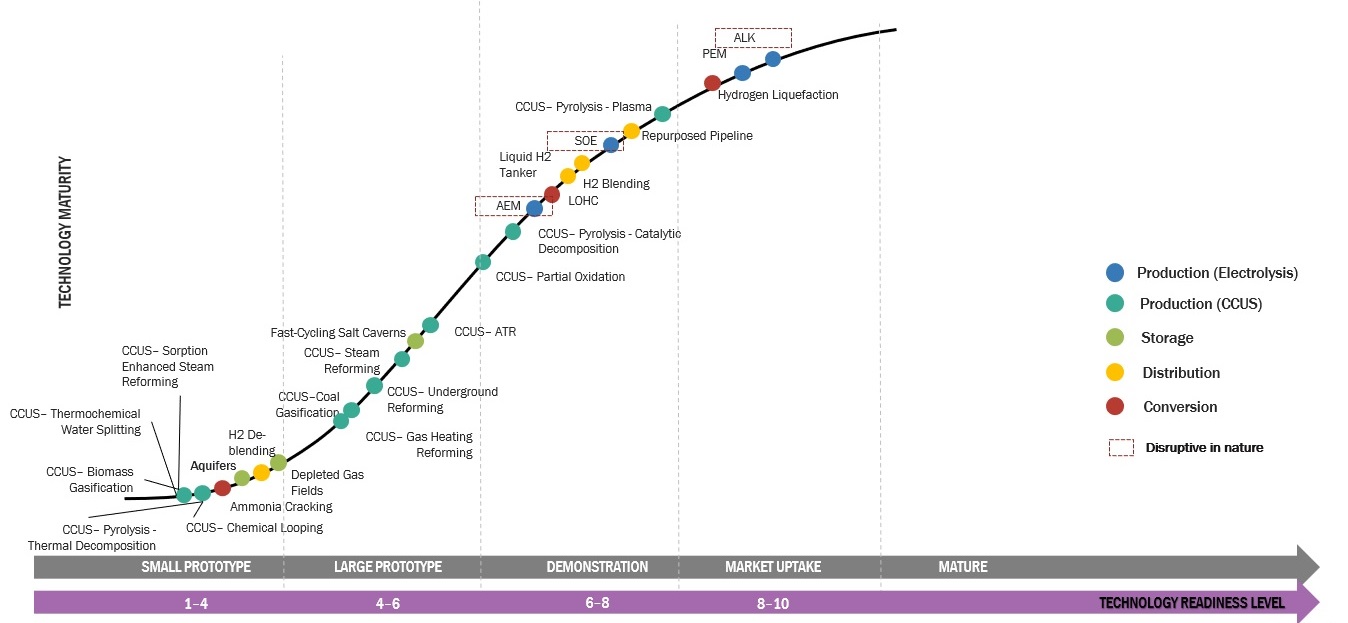
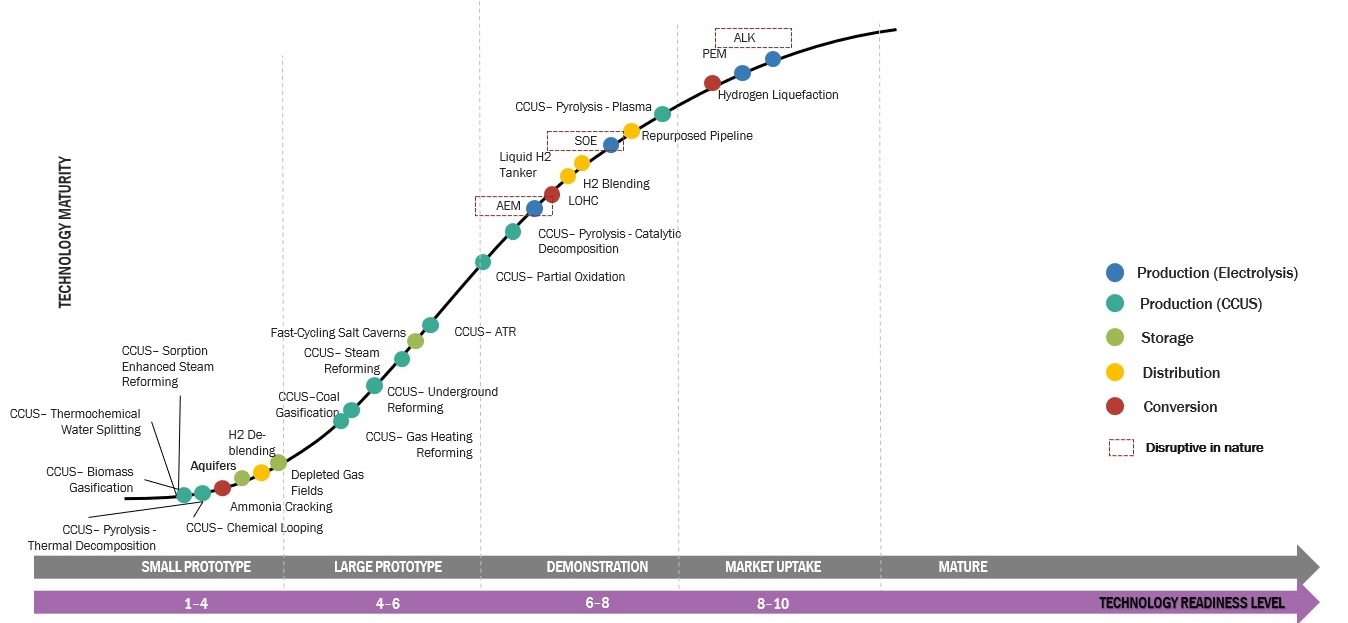
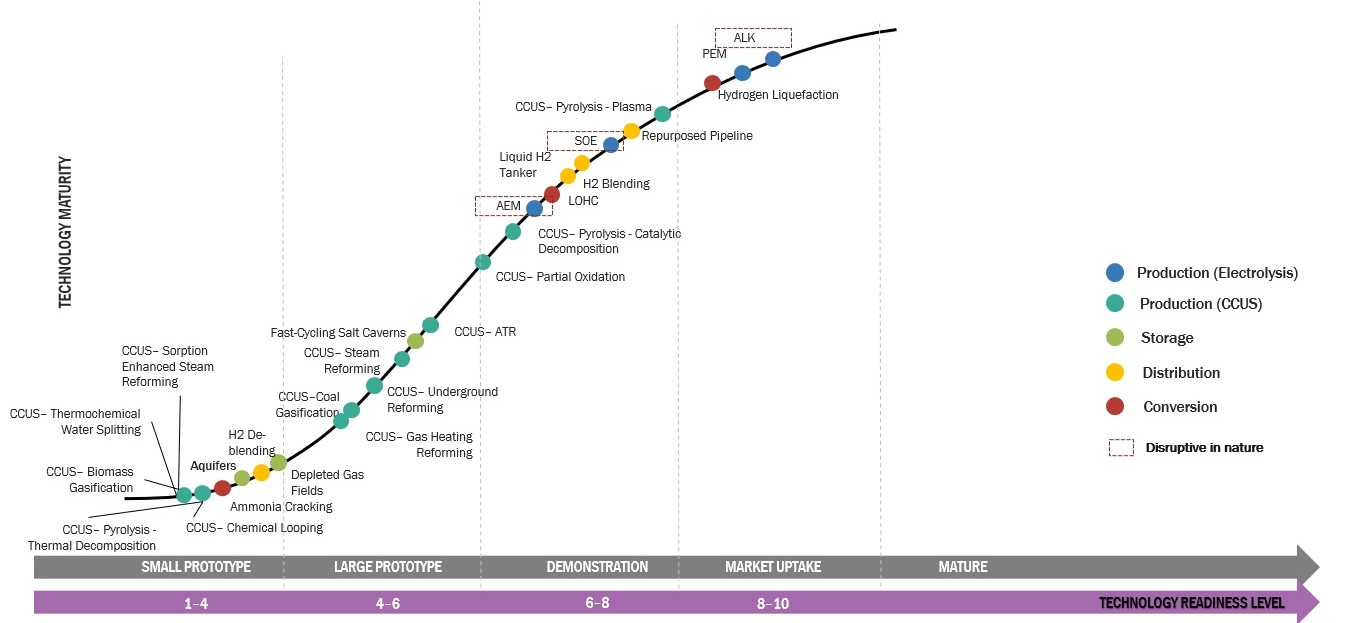
The process of planning and overseeing the many tasks involved in the production, distribution, storage, and transportation of hydrogen in the most economical and efficient manner is known as hydrogen supply chain optimization. Optimization is the process of locating and fixing inefficiencies, bottlenecks, and other obstacles that can prevent hydrogen from moving freely throughout the supply chain.
Unit Economics Comparison of Hydrogen and Other Sources of Energy
Hydrogen’s unit economics, including cost, price, power output, and emission reduction, vary depending on factors such as the production method, hydrogen storage and transportation infrastructure, end-use application, and regional dynamics.
A form of hydrogen fuel known as “green hydrogen,” or “green H2,” is created using renewable energy sources and doesn’t release any greenhouse gases, such as carbon dioxide, while it is being generated.
The Hydrogen Paradigm is a forward-thinking energy plan that emphasizes using hydrogen as a clean, sustainable energy source. Recent years have seen a considerable increase in interest in hydrogen because of its potential to solve a number of environmental and energy-related issues.
Green hydrogen is a form of hydrogen gas that is created by the electrolysis process utilizing renewable energy sources like sun, wind, or hydropower. Using electricity, this process divides water (H2O) into its component parts, hydrogen (H2) and oxygen (O2). Green hydrogen is created without emitting carbon dioxide, in contrast to gray or blue hydrogen, which is produced from fossil fuels or natural gas.