In the global pursuit of sustainable and clean energy solutions, Hydrogen Regional Market Potential has emerged as a key player in the global energy transition. Its versatility and potential to decarbonize various sectors make it a promising candidate for a greener future. As we delve into the hydrogen landscape, it’s essential to explore Hydrogen Regional Market Potential, considering the unique opportunities and challenges each area presents.

Hydrogen has become a viable option to power a more environmentally friendly future as the world struggles with climate change and the need for cleaner, more sustainable energy sources. However, developing safe and efficient hydrogen storage technologies is a major obstacle to utilizing hydrogen as a viable energy source. This article examines the progress being made in this area and highlights the major breakthroughs that will enable a revolution powered by hydrogen.
Hydrogen is a key energy carrier in the envisaged Hydrogen Future. Future energy systems will find hydrogen to be a beneficial component due to its many advantages. It is a flexible, clean energy source.
In recent years, the global commitment to sustainable and clean energy solutions has propelled hydrogen into the spotlight. As a versatile and zero-emission fuel, hydrogen holds immense potential across various sectors, paving the way for a cleaner and more sustainable future. This article explores the Hydrogen regional market potential for hydrogen adoption, focusing on transportation, industrial processes, and power generation and energy storage.
The envisioned Hydrogen Future depends heavily on hydrogen as an energy carrier. Hydrogen presents various benefits that make it a valuable element of the energy landscape of the future.
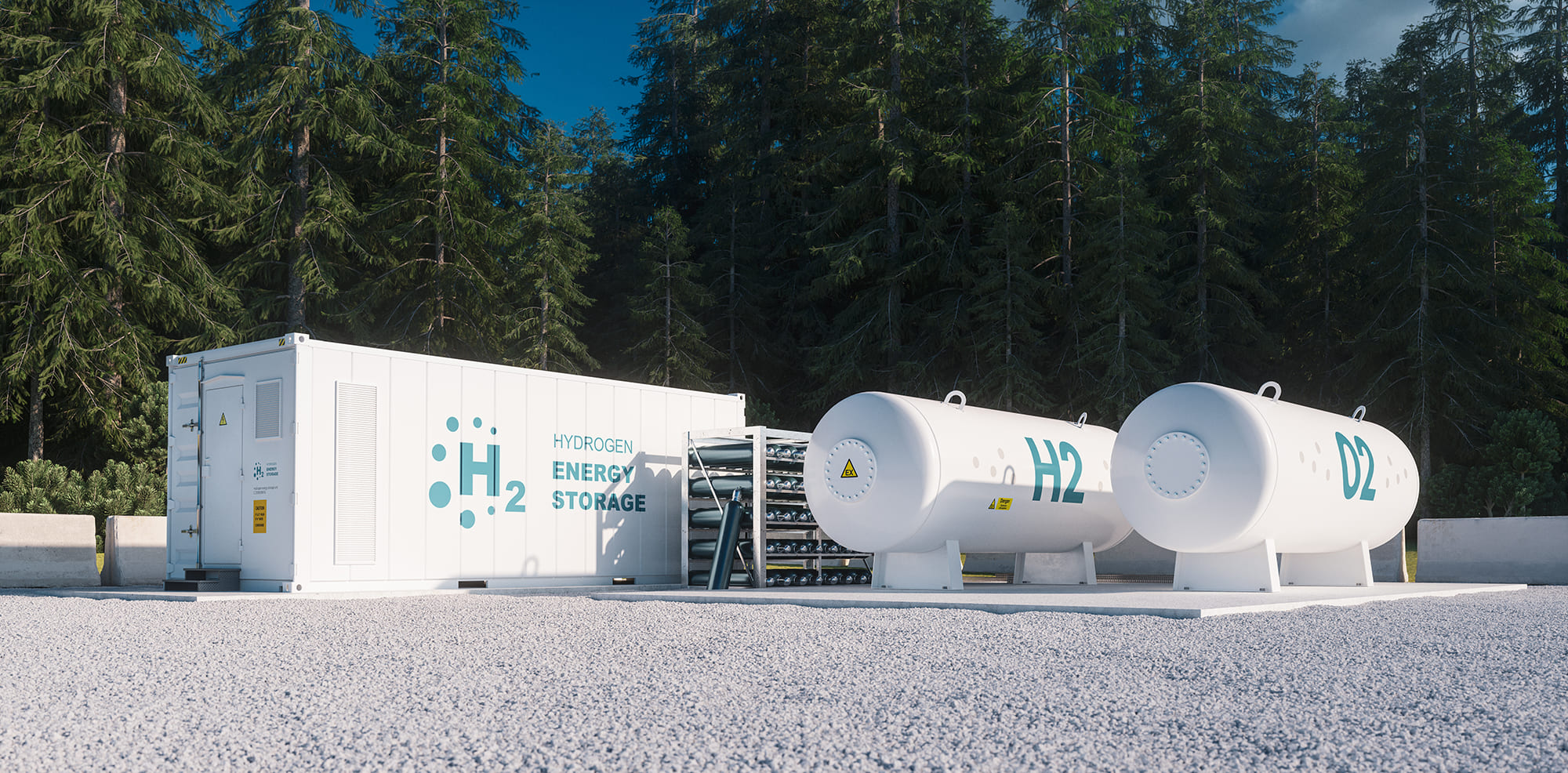
One element of the hydrogen economy that is essential is , Hydrogen Storage. Hydrogen must be kept in a solid state, under high pressure, or at low temperatures due to its low density and great flammability.
The usage of hydrogen vehicles as a means of cutting greenhouse gas emissions and switching to greener transportation systems is becoming more and more popular.
Green hydrogen is hydrogen produced using renewable energy sources, such as wind or solar power, through a process called electrolysis. It has gained significant attention as a clean and sustainable energy carrier with numerous opportunities across various sectors.
Both hydrogen and electricity have significant roles to play in the future of energy and transportation, depending on the particular application and context. However, this is a complicated and dynamic subject.
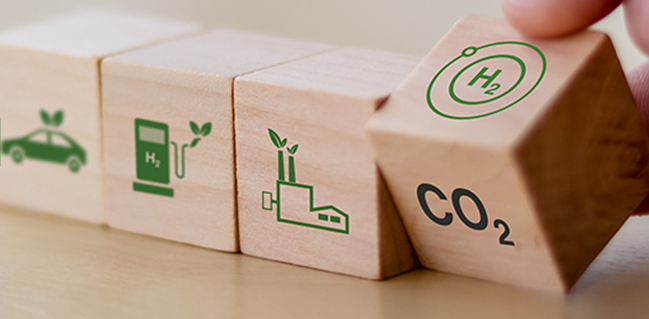
Carbon Capture, Utilization, and Storage technologies have emerged as an important weapon in the global fight against climate change. CCUS refers to a set of strategies that capture and store carbon dioxide emissions from industrial operations or power generation, keeping them from being released into the atmosphere.