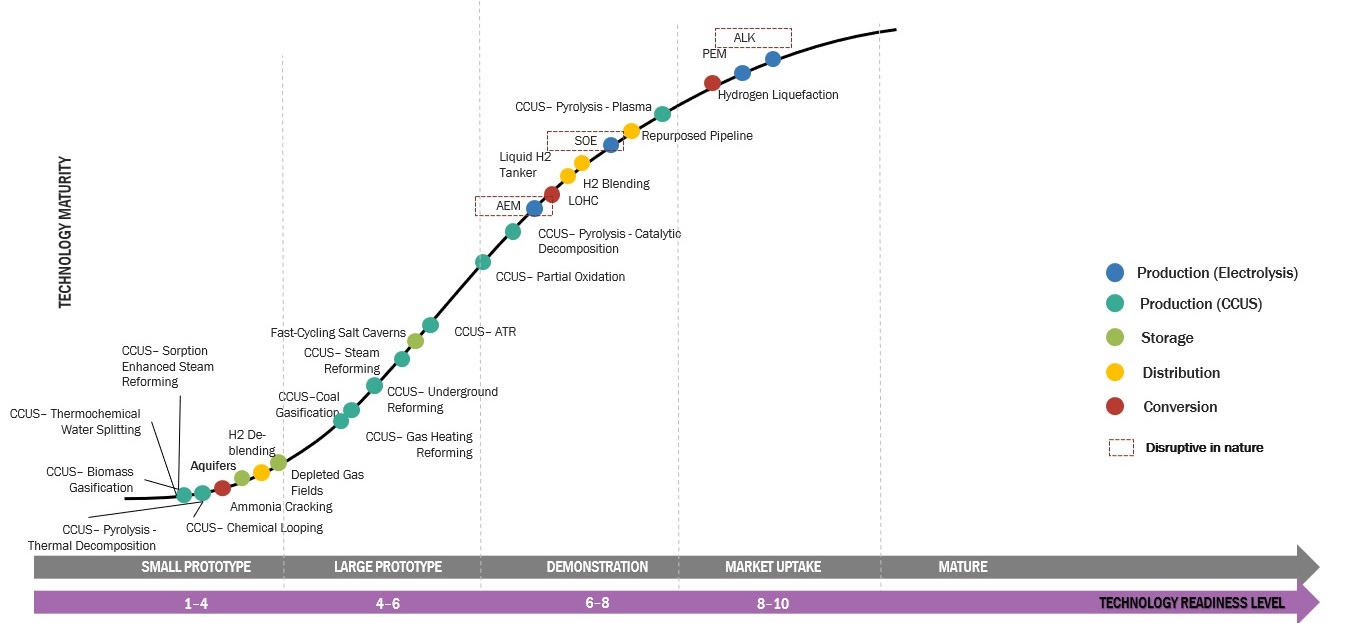
There are several applications for hydrogen, an energy source that is flexible and clean. Hydrogen is the most common and lightest chemical element in the universe. Hydrogen, which is the building block of the cosmos, is also necessary for a variety of chemical reactions and processes.
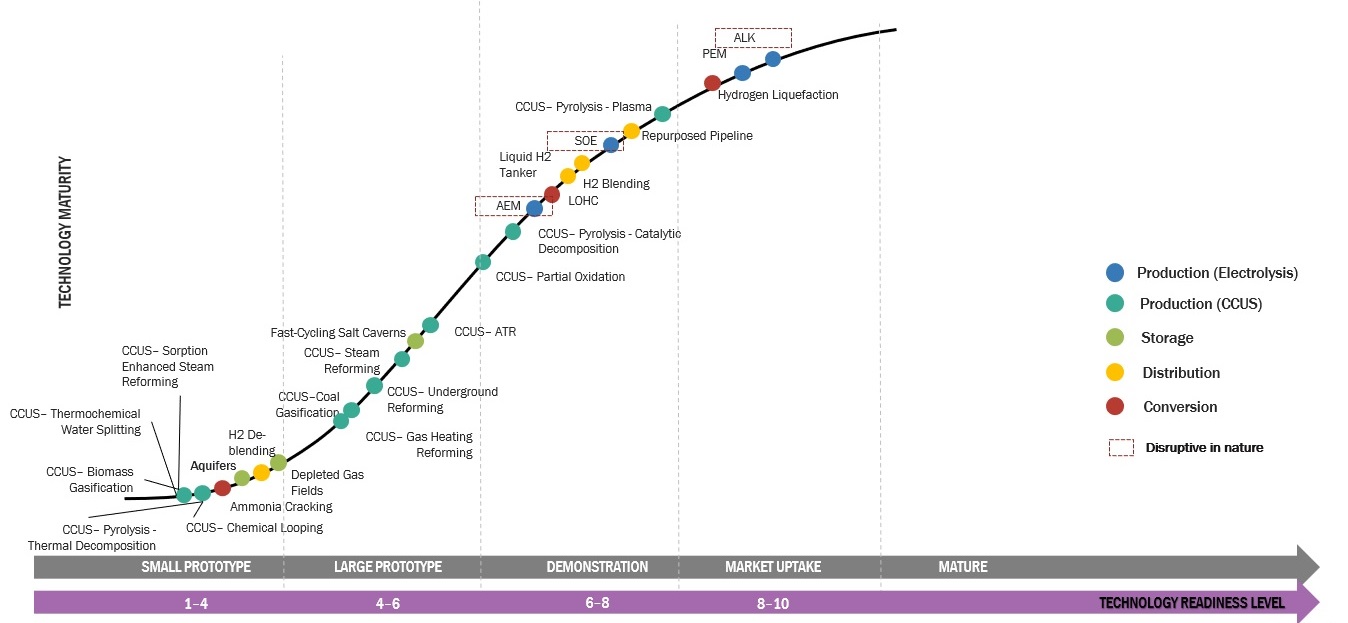
The process of planning and overseeing the many tasks involved in the production, distribution, storage, and transportation of hydrogen in the most economical and efficient manner is known as hydrogen supply chain optimization. Optimization is the process of locating and fixing inefficiencies, bottlenecks, and other obstacles that can prevent hydrogen from moving freely throughout the supply chain.
A “Green Hydrogen Economy” is an economic framework where hydrogen, and specifically green hydrogen, is a primary clean and sustainable energy source. Using renewable energy sources like sun, wind, or hydropower, green hydrogen is created through the electrolysis process. Green hydrogen production is an environmentally beneficial alternative to conventional hydrogen manufacturing processes since it doesn’t entail the discharge of carbon emissions.
The envisioned Hydrogen Future depends heavily on hydrogen as an energy carrier. Hydrogen presents various benefits that make it a valuable element of the energy landscape of the future.
The Hydrogen Paradigm is a forward-thinking energy plan that emphasizes using hydrogen as a clean, sustainable energy source. Recent years have seen a considerable increase in interest in hydrogen because of its potential to solve a number of environmental and energy-related issues.
Green hydrogen is hydrogen produced using renewable energy sources, such as wind or solar power, through a process called electrolysis. It has gained significant attention as a clean and sustainable energy carrier with numerous opportunities across various sectors.
Both hydrogen and electricity have significant roles to play in the future of energy and transportation, depending on the particular application and context. However, this is a complicated and dynamic subject.
Hydrogen is an element that may be used in many different industries due to its versatility. These practical applications of hydrogen show off its adaptability and capacity to deal with a range of energy and environmental issues, particularly when it comes to lowering greenhouse gas emissions and advancing clean energy alternatives.
With potential applications in a wide range of industries, hydrogen has attracted a lot of attention as a flexible and clean energy source. Thanks to its clean energy qualities and adaptability, hydrogen has the potential to be extremely important in a number of industries.
The growing interest in hydrogen as a clean and adaptable energy source has resulted in considerable investments and growth for the hydrogen sector in recent years. Many industries, including transportation, business, and power generation, are being encouraged to reduce their carbon footprints. One such industry is hydrogen.