In the quest for sustainable and clean energy solutions, hydrogen has emerged as a promising candidate, offering a myriad of possibilities to reshape the global energy landscape. Hydrogen, the most abundant element in the universe, holds the potential to revolutionize the way we produce, store, and consume energy. This article explores the advancements in hydrogen energy technology and its role in fostering a more sustainable and greener future.

In the pursuit of sustainable energy sources, the spotlight is firmly on green hydrogen production as a transformative solution with the potential to reshape our approach to energy generation and consumption. As global concerns over climate change escalate and the need for alternatives to conventional fossil fuels intensifies, the production of green hydrogen has emerged as a focal point for innovation and progress. This article delves into the intricacies of green hydrogen production, explores its diverse applications, and underscores its pivotal role in steering us toward a more sustainable energy future.
As the world strives for cleaner and more sustainable energy solutions, hydrogen has emerged as a leading contender. Recognized for its versatility as a fuel, hydrogen holds promise in various applications, from fueling vehicles to electricity generation. However, a key hurdle in the widespread adoption of hydrogen as an energy carrier lies in developing efficient and secure storage methods. This article delves into the latest advancements in hydrogen energy technology, addressing key issues and underscoring the potential for a hydrogen-powered future.
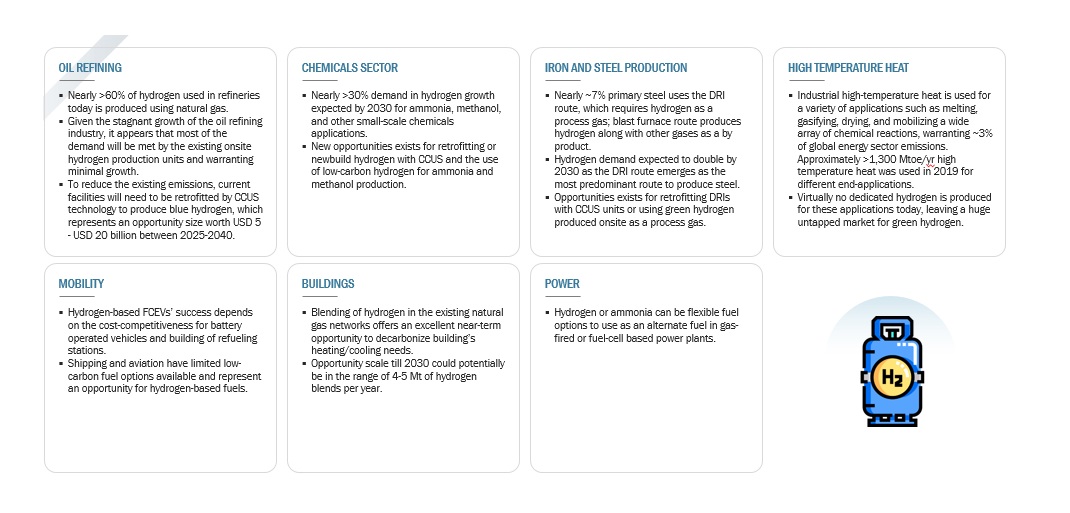
Hydrogen has gained significant attention as a versatile and sustainable energy carrier, with numerous use cases across various sectors. In this response, we will explore the most lucrative use cases for hydrogen and highlight the sectors that are willing to pay a premium for its applications, specifically in chemicals and industry, automotive, and aerospace/defense.
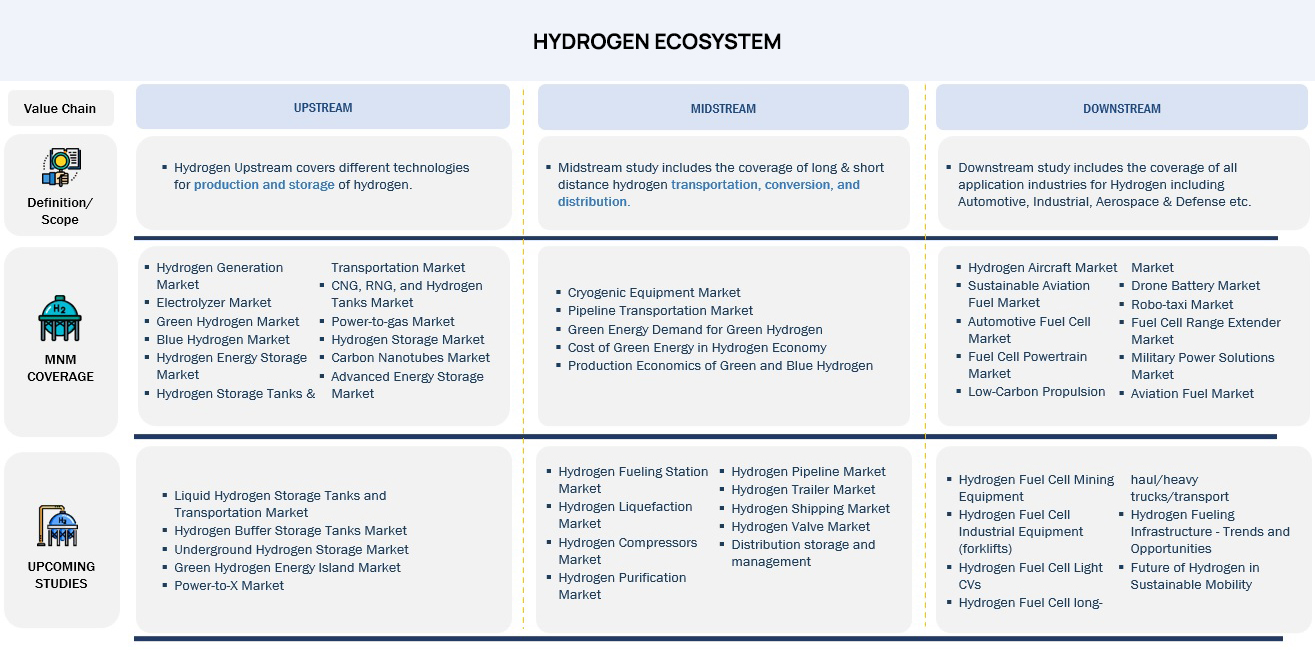
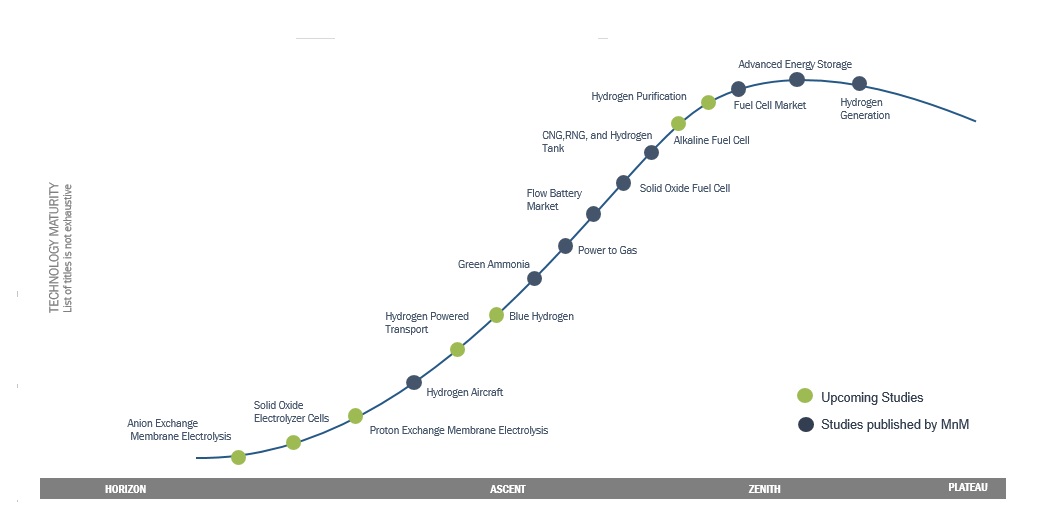
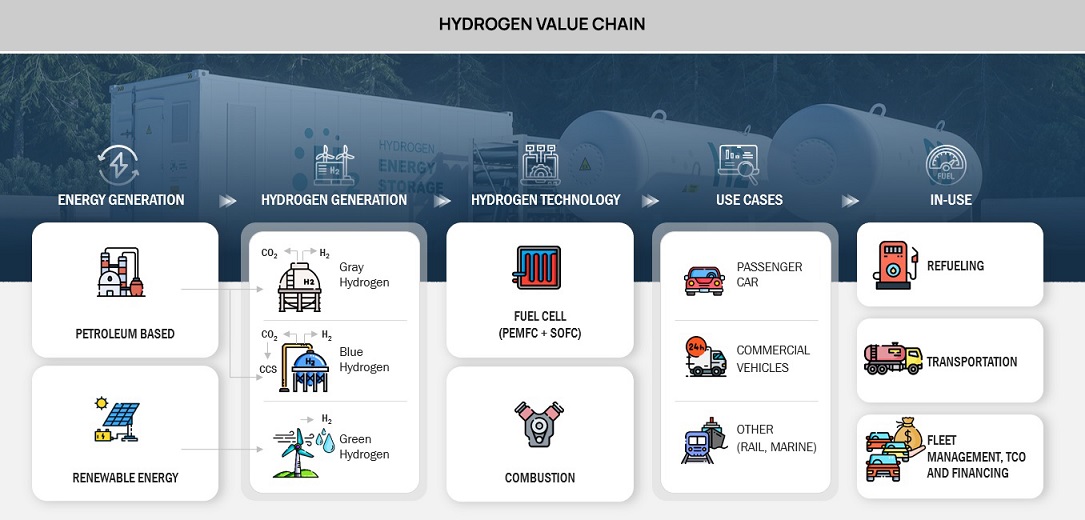
Emerging Techno-Commercially attractive Hydrogen Business Models – Hydrogen Generation, Hydrogen Storage, and Hydrogen Distribution.
Incorporating hydrogen into the broader objective of achieving net zero emissions goals can be done through several key strategies and applications.
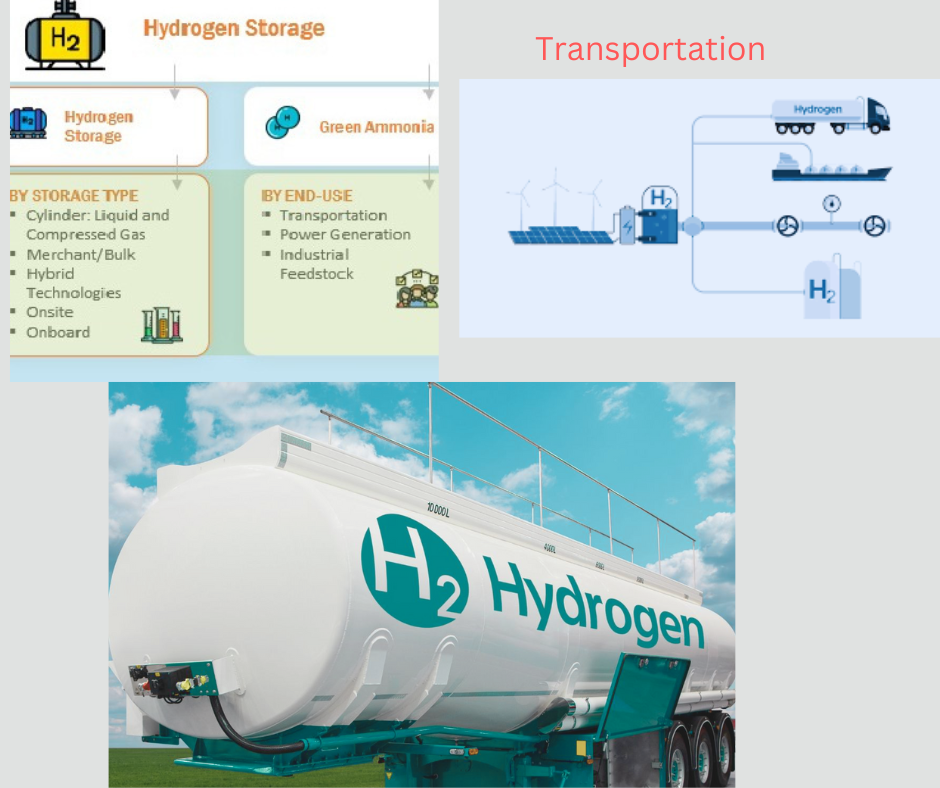
Current and evolving hydrogen storage and transportation technologies aim to address the challenges of storing and transporting hydrogen efficiently and safely.
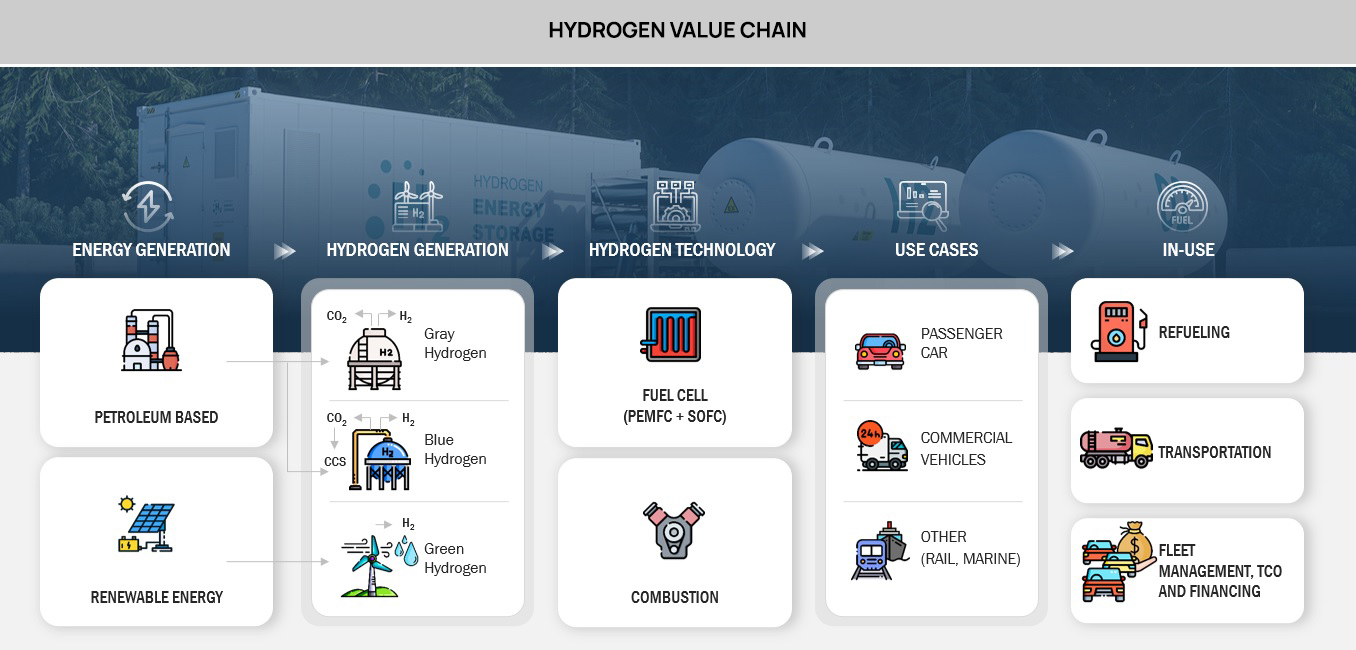
Integrating hydrogen into end-use applications in industries such as automotive, marine, industrial, and aviation requires the development and deployment of hydrogen technologies specific to each sector.
The deployment of hydrogen in end-use applications is expected to involve a combination of on-site clusters, co-production, and dedicated supply chain models. The specific approach will depend on factors such as the scale of hydrogen demand, industry requirements, infrastructure availability, and regional considerations.
With potential applications in a wide range of industries, hydrogen has attracted a lot of attention as a flexible and clean energy source. Thanks to its clean energy qualities and adaptability, hydrogen has the potential to be extremely important in a number of industries.