Hydrogen has garnered significant interest as a versatile and environmentally friendly energy source due to its potential applications across various industries. Hydrogen has the potential to be very significant in a variety of industries due to its clean energy properties and versatility.
In the pursuit of sustainable energy sources, the spotlight is firmly on green hydrogen production as a transformative solution with the potential to reshape our approach to energy generation and consumption. As global concerns over climate change escalate and the need for alternatives to conventional fossil fuels intensifies, the production of green hydrogen has emerged as a focal point for innovation and progress. This article delves into the intricacies of green hydrogen production, explores its diverse applications, and underscores its pivotal role in steering us toward a more sustainable energy future.
As the world strives for cleaner and more sustainable energy solutions, hydrogen has emerged as a leading contender. Recognized for its versatility as a fuel, hydrogen holds promise in various applications, from fueling vehicles to electricity generation. However, a key hurdle in the widespread adoption of hydrogen as an energy carrier lies in developing efficient and secure storage methods. This article delves into the latest advancements in hydrogen energy technology, addressing key issues and underscoring the potential for a hydrogen-powered future.
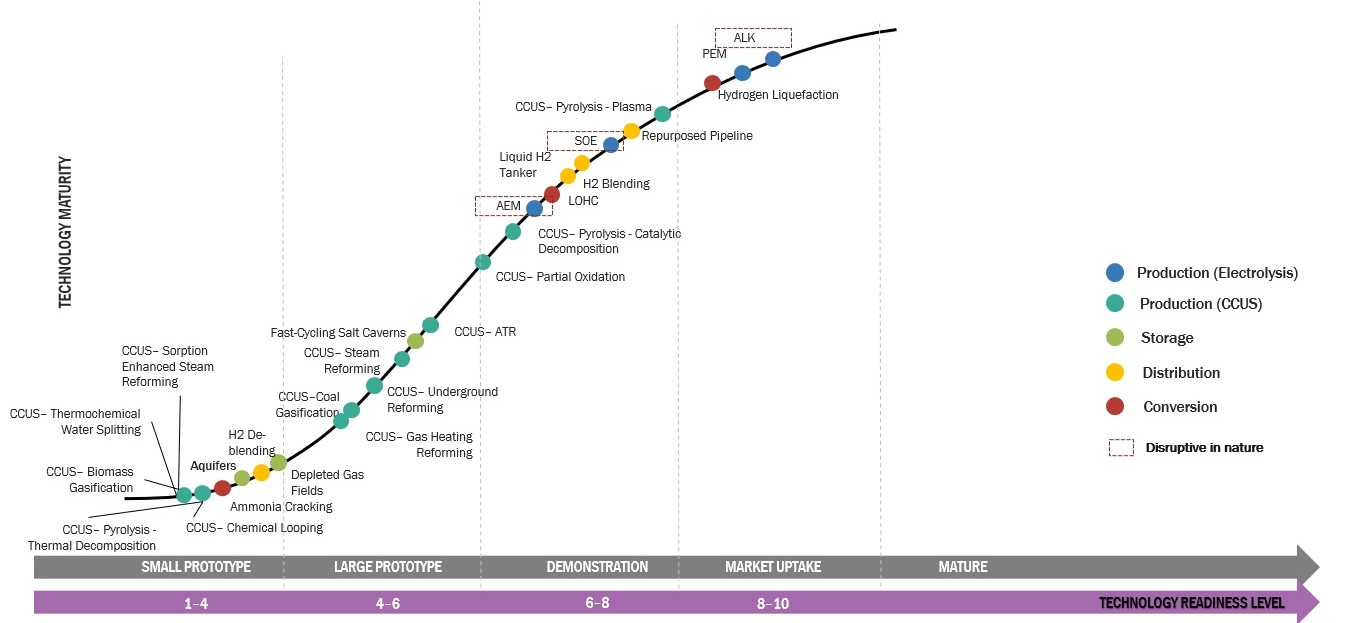
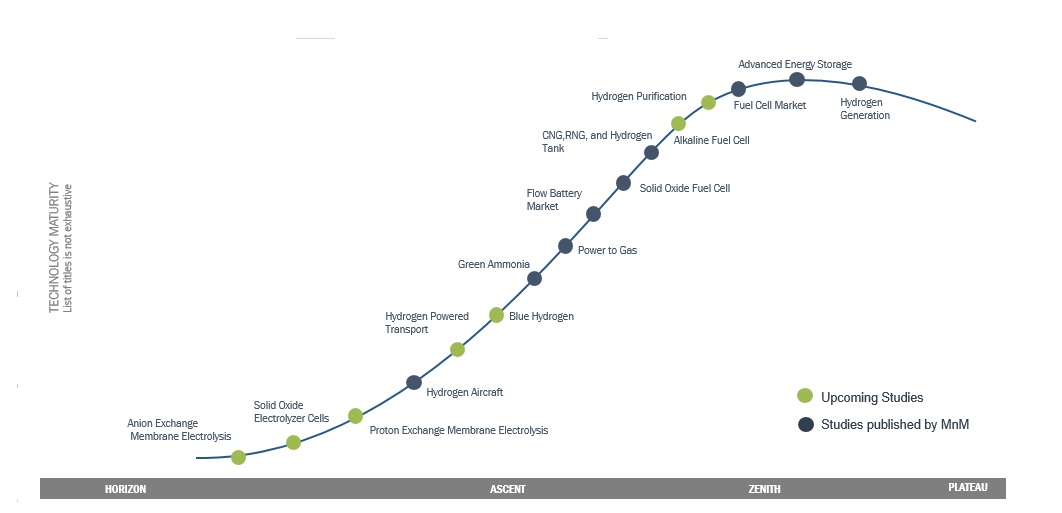
Hydrogen Technology Solutions – Green Hydrogen, Gray Hydrogen or any other technology. By region and application.
Green Hydrogen Technology:
Green hydrogen is produced through electrolysis, using renewable energy sources such as wind, solar, or hydroelectric power. It offers the advantage of being entirely emissions-free, as the electrolysis process does not generate carbon emissions. Regions with abundant renewable energy resources, such as solar or wind, are well-suited for green hydrogen production. These regions can leverage their renewable potential to produce green hydrogen at scale, contributing to decarbonization efforts.

Green hydrogen is a form of hydrogen gas that is created by the electrolysis process utilizing renewable energy sources like sun, wind, or hydropower. Using electricity, this process divides water (H2O) into its component parts, hydrogen (H2) and oxygen (O2). Green hydrogen is created without emitting carbon dioxide, in contrast to gray or blue hydrogen, which is produced from fossil fuels or natural gas.
Both hydrogen and electricity have significant roles to play in the future of energy and transportation, depending on the particular application and context. However, this is a complicated and dynamic subject.
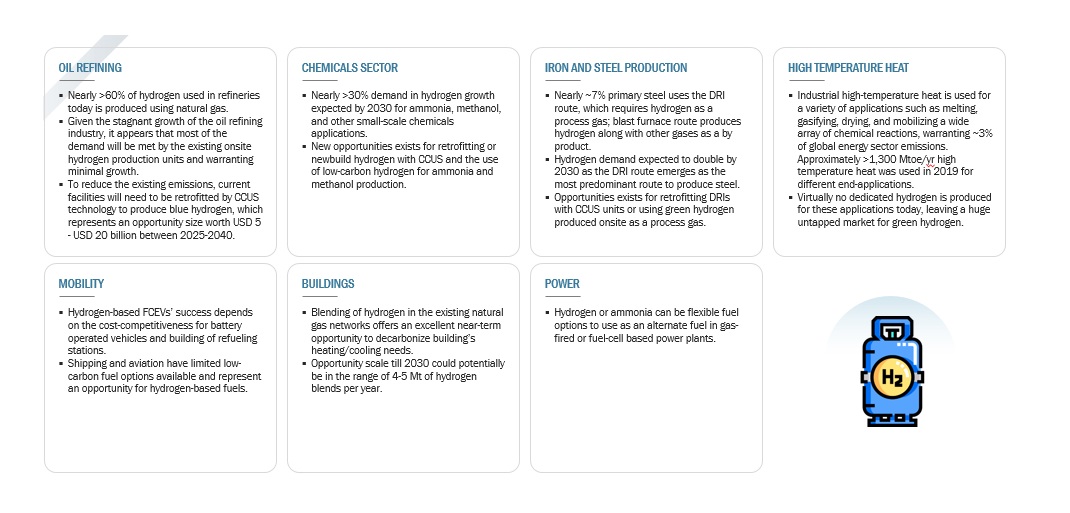
Integrating hydrogen into end-use applications in industries such as automotive, marine, industrial, and aviation requires the development and deployment of hydrogen technologies specific to each sector.
Hydrogen market penetration refers to the extent to which hydrogen is adopted and used as an energy source or feedstock in various industries and applications. Hydrogen has gained significant attention as a potential clean energy carrier and has the potential to play a crucial role in reducing greenhouse gas emissions, particularly in sectors that are challenging to decarbonize, such as transportation and heavy industry. The choice of whether to enter new markets directly or through partners is contingent upon several industry-specific considerations in the hydrogen sector.
Hydrogen integration strategies refer to plans and approaches for incorporating hydrogen as an energy carrier and resource into various sectors of the economy, such as industry, transportation, and power generation. Hydrogen is seen as a promising solution for reducing greenhouse gas emissions and transitioning to a more sustainable energy system.