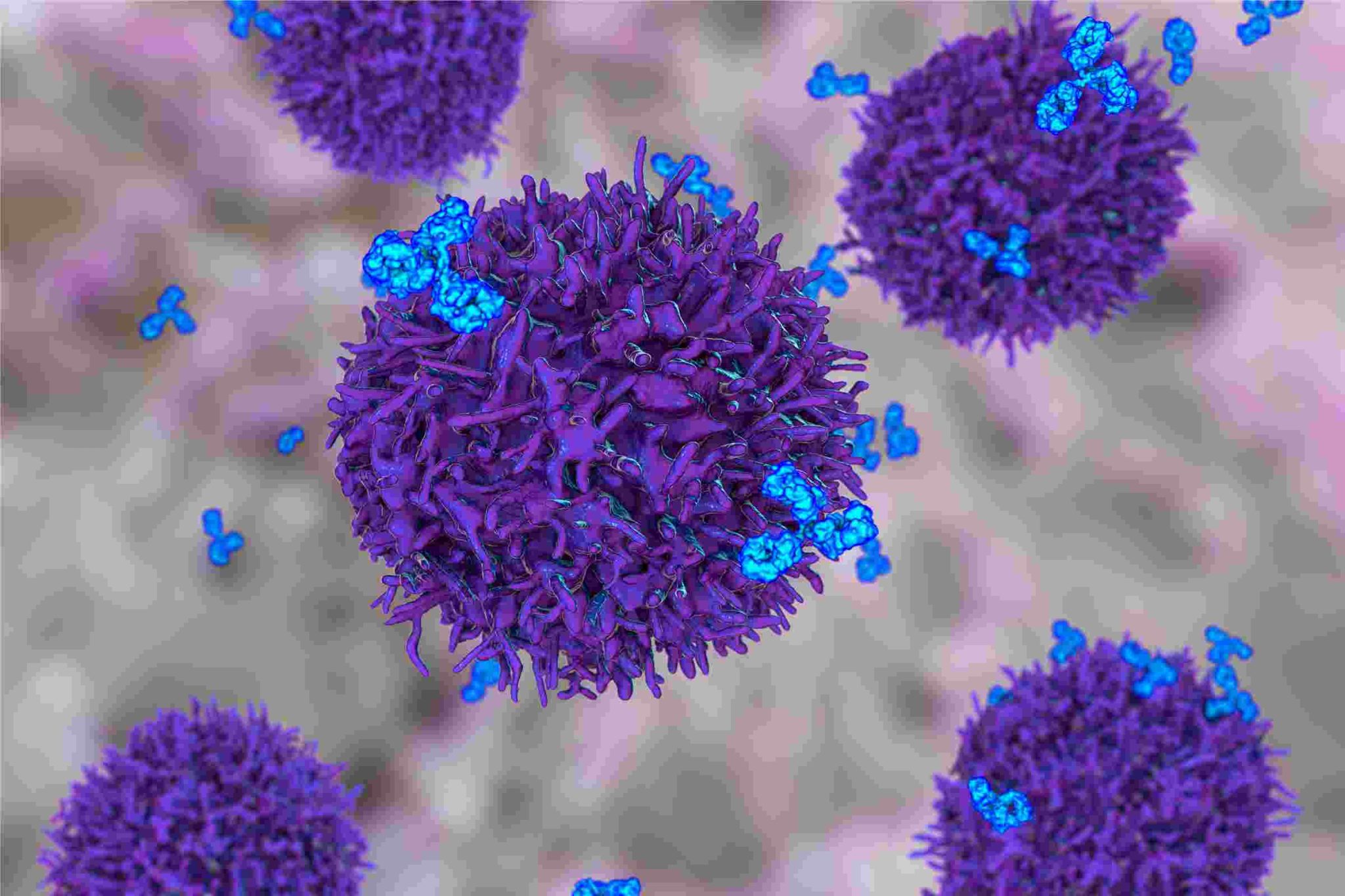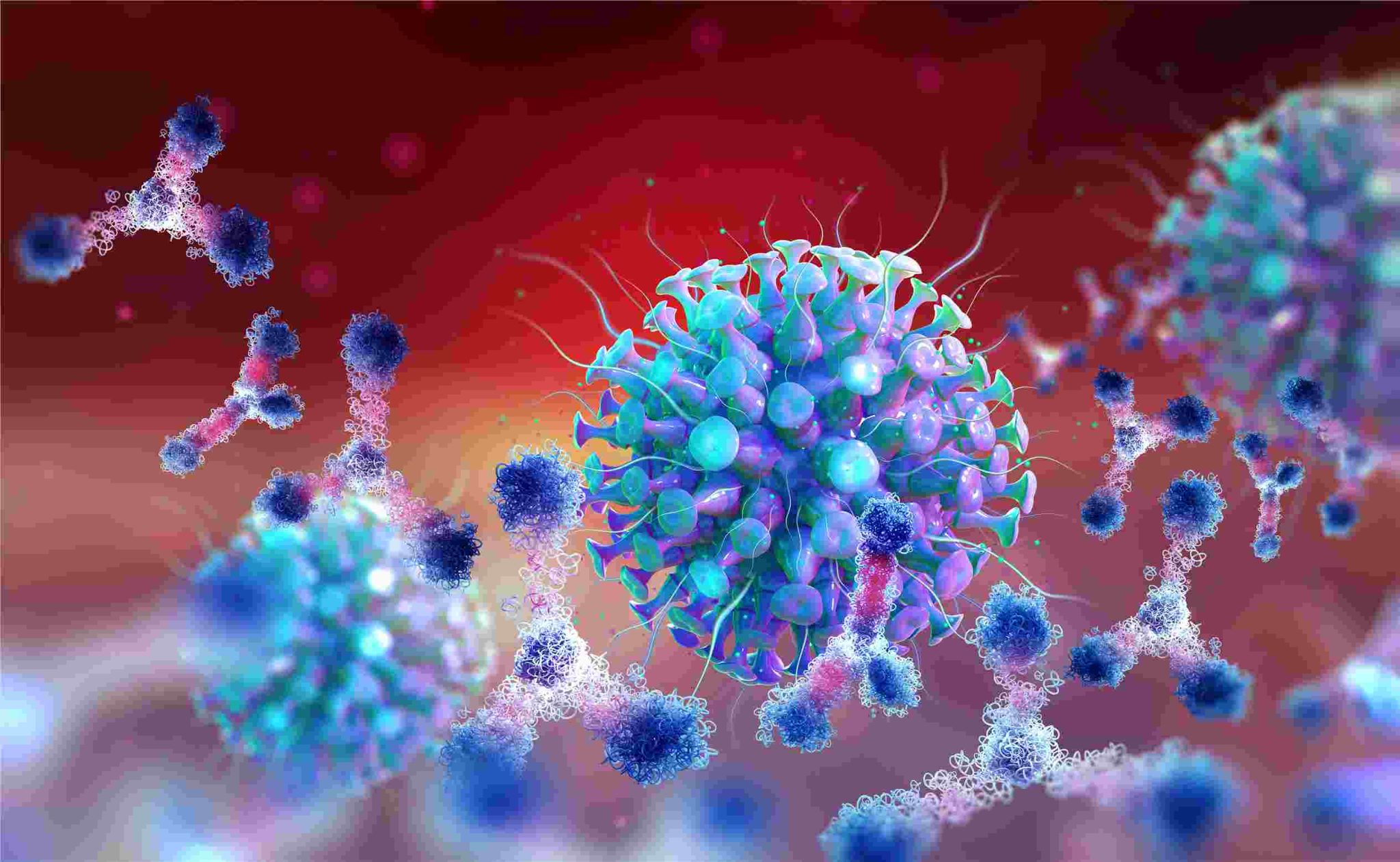
The development of antibody-drug conjugates (ADCs) has progressed significantly over the past decade due to improvements in payloads, linkers, and conjugation methods. In particular, linker design plays a key role in regulating ADC stability in systemic circulation and payload release efficiency in tumors, thereby affecting ADC pharmacokinetics (PK), efficacy, and toxicity profiles. Some key parameters, such […]

Introduction to Osteoporosis Osteoporosis is a systemic multi-causal skeletal disease that is prone to fractures due to changes in systemic bone mass and microstructure of bone tissue, resulting in increased bone fragility. Osteoporosis is a type of disease that is difficult to cure. According to the etiology, it can be divided into primary osteoporosis, secondary […]
Bioorthogonal reactions are a series of chemical reactions that occur in biological environments with high yields, selectivity, efficiency, and no side reactions. These reactions include copper-catalyzed alkyne-azide cycloaddition (CuAAC), strain-promoted alkyne-azide cycloaddition, inverse electron demand Diels-Alder (IEDDA) reaction, and more. These bioorthogonal reactions find extensive applications in various fields, including radionuclide conjugate, metabolic engineering, drug […]
Yeast is a single-celled and versatile microorganism that is widely used in various industries, such as brewing, food, and biotechnology. However, not all yeast strains possess the desired characteristics required for optimal production. Therefore, methods of yeast strain improvement have been developed to enhance the desirable traits of yeast strains and to benefit industries involving […]