
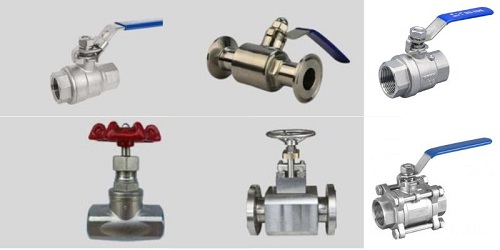
Stainless steel ball valves are commonly used in various industries for controlling the flow of liquids or gases. They are known for their durability, corrosion resistance, and ease of operation. However, choosing the right stainless steel ball valve for your specific application can be a daunting task. With numerous options available in the market, it is important to consider various factors before making a final decision. There are many stainless steel ball valve suppliers and manufacturers but In this article, we will guide you on how to choose the right stainless steel ball valve for your needs.
1. Understanding the Application
Before you start searching for a stainless steel ball valve, it is crucial to identify the specific requirements of your application. Consider factors such as the type of fluid or gas that will pass through the valve, the pressure and temperature conditions, and the flow rate. This information will help determine the material, size, and design of the ball valve required.
2. Material Selection
Stainless steel ball valves are available in different grades of stainless steel, each with varying levels of corrosion resistance. Examine when the fluid or gas being handled and the valve material are compatible. For highly corrosive applications, opt for valves made from stainless steel alloys such as 316 or 316L as they offer excellent resistance to chemical attacks.
3. Valve Size
Selecting the right valve size is crucial to ensure optimal flow control. The pipe size along with the flow rate are only a couple of things to think about. Inadequate valve size can result in pressure decreases, flow limitations, and higher energy usage.
4. Pressure and Temperature Ratings
Stainless steel ball valves have specific pressure and temperature ratings that determine their ability to withstand different operating conditions. It is essential to choose a valve with ratings sufficient to handle the maximum pressure and temperature of your application. Failure to consider these ratings can result in valve failure and potential safety hazards.
5. End Connections
The end connections of the ball valve should be compatible with your existing plumbing or piping system. Common options include threaded compression or flanged connections. Ensure that the valve’s end connections match your system’s requirements to avoid any issues during installation.
6. Design and Operation
Stainless steel ball valves come in various designs, such as two-way, three-way, or multi-port. Consider the specific flow pattern required for your application. Additionally, evaluate the valve’s handle or actuator mechanism for ease of operation. Some valves offer options for manual operation, while others can be automated for remote control.
7. Quality and Reliability
To ensure long-term performance and reliability, it is essential to choose a high-quality stainless steel ball valve from a reputable manufacturer. Look for valves that meet industry standards, such as ANSI or API, and have a track record of durability and customer satisfaction.
8. Cost Considerations
While it is crucial to invest in a high-quality stainless steel ball valve, it is also important to consider your budget. Assess different options in the market and compare their features, performance, and prices before making a final decision.
Conclusion
Choosing the right stainless steel ball valve involves careful consideration of various factors such as application requirements, material selection, valve size, pressure and temperature ratings, end connections, design and operation, quality, and cost. By taking these factors into account, you can select a stainless steel ball valve that meets your specific needs and ensures efficient and reliable flow control in your application.